Things to do
20-
Derinkuyu Underground City
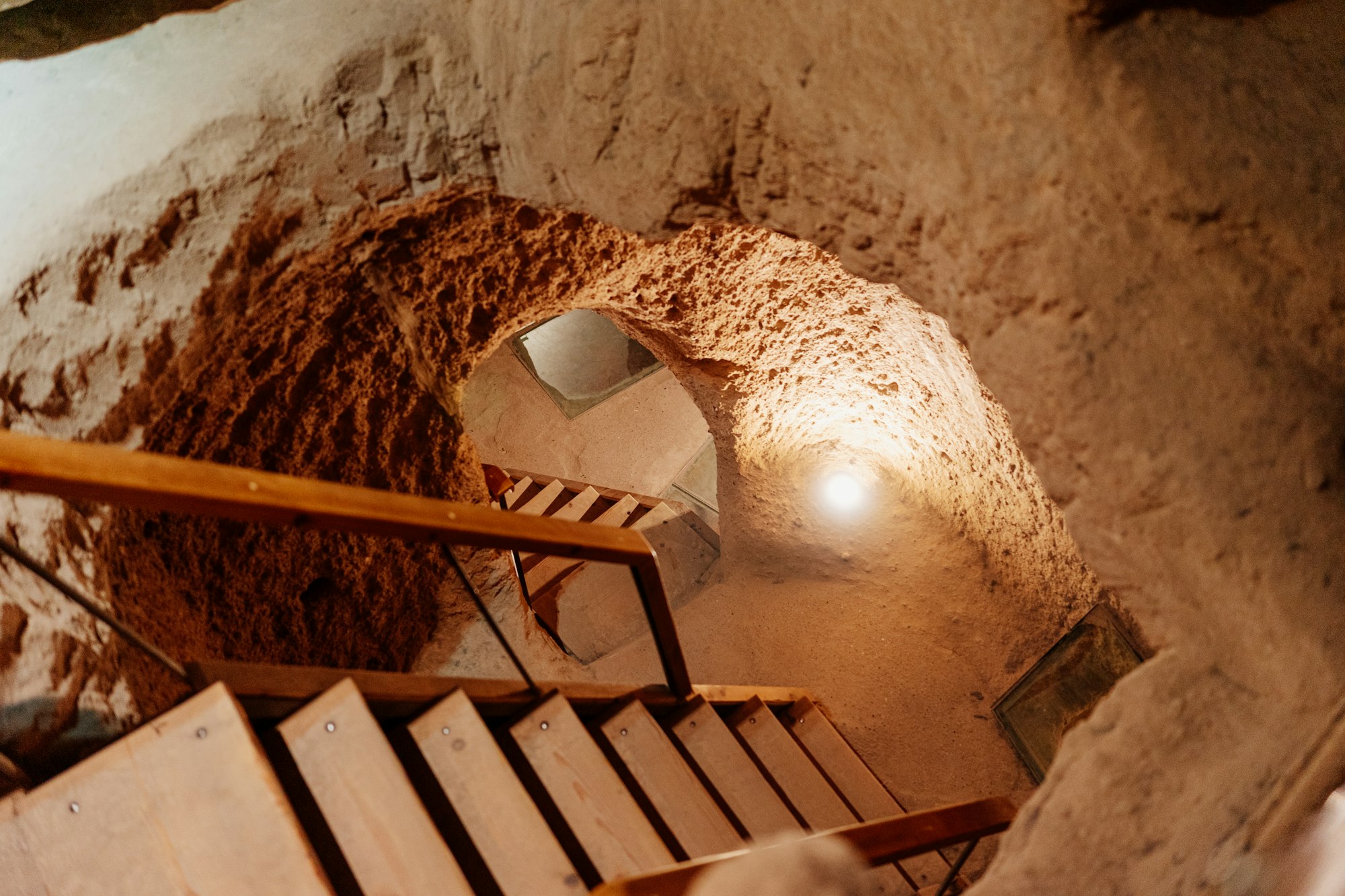
Reaching about 85 metres down, this is the largest excavated underground city in Turkey, with stables, wine and oil presses, chapels and a church on its lowest level. Rolling stone doors could seal each floor, and a 55-metre shaft served as the well. Its passages are roomier than those at Kaymaklı, which suits visitors wary of tight spaces.
-
Devrent Valley
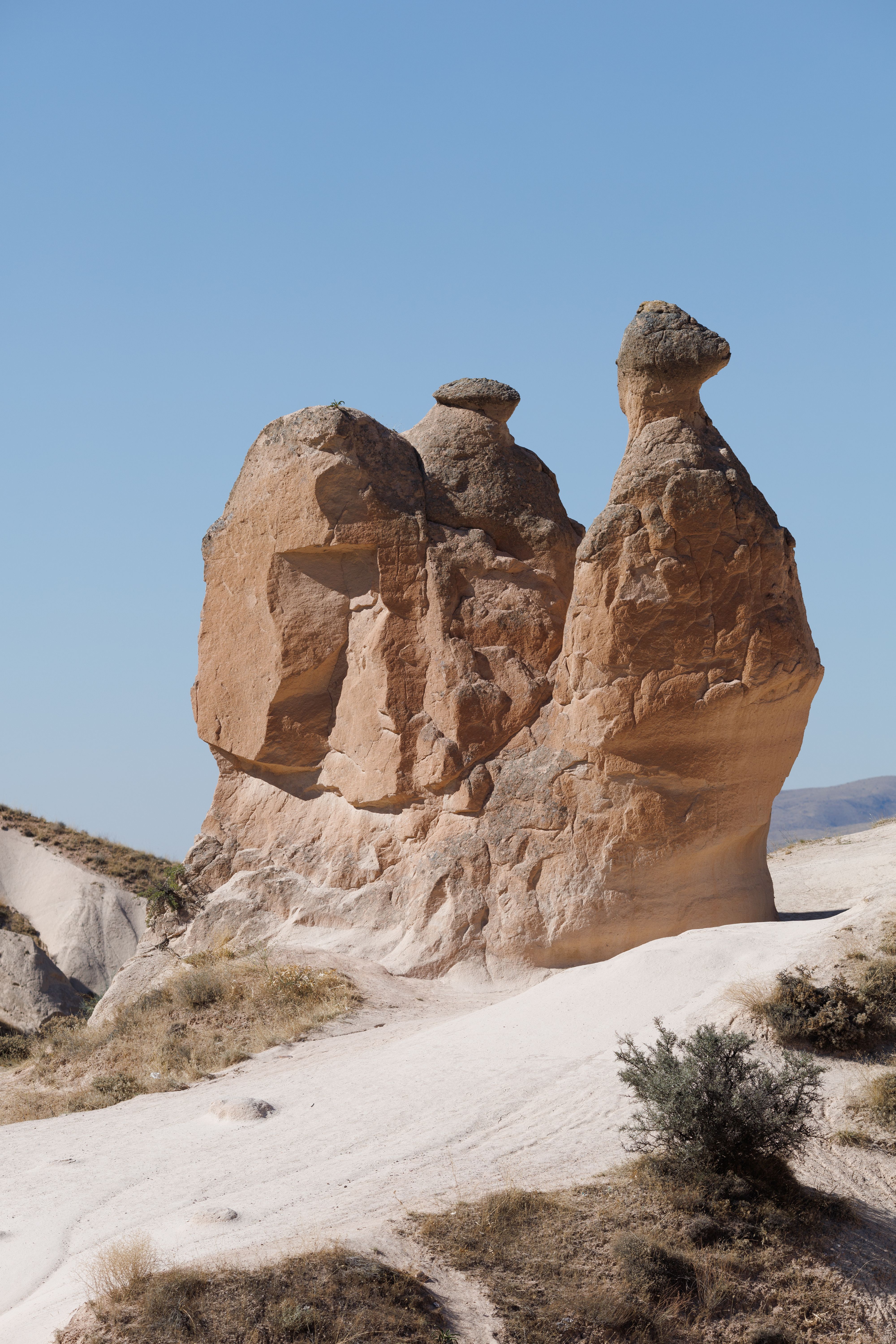
A dry valley of eroded rock forms with no churches and no dwellings in it, named for the animal shapes visitors pick out in the stone. The shapes are soft tuff worn down by wind and water, left standing where a harder cap of lava protected them. It is a half-hour stop, easily paired with Paşabağ and Zelve.
-
Göreme Historical National Park
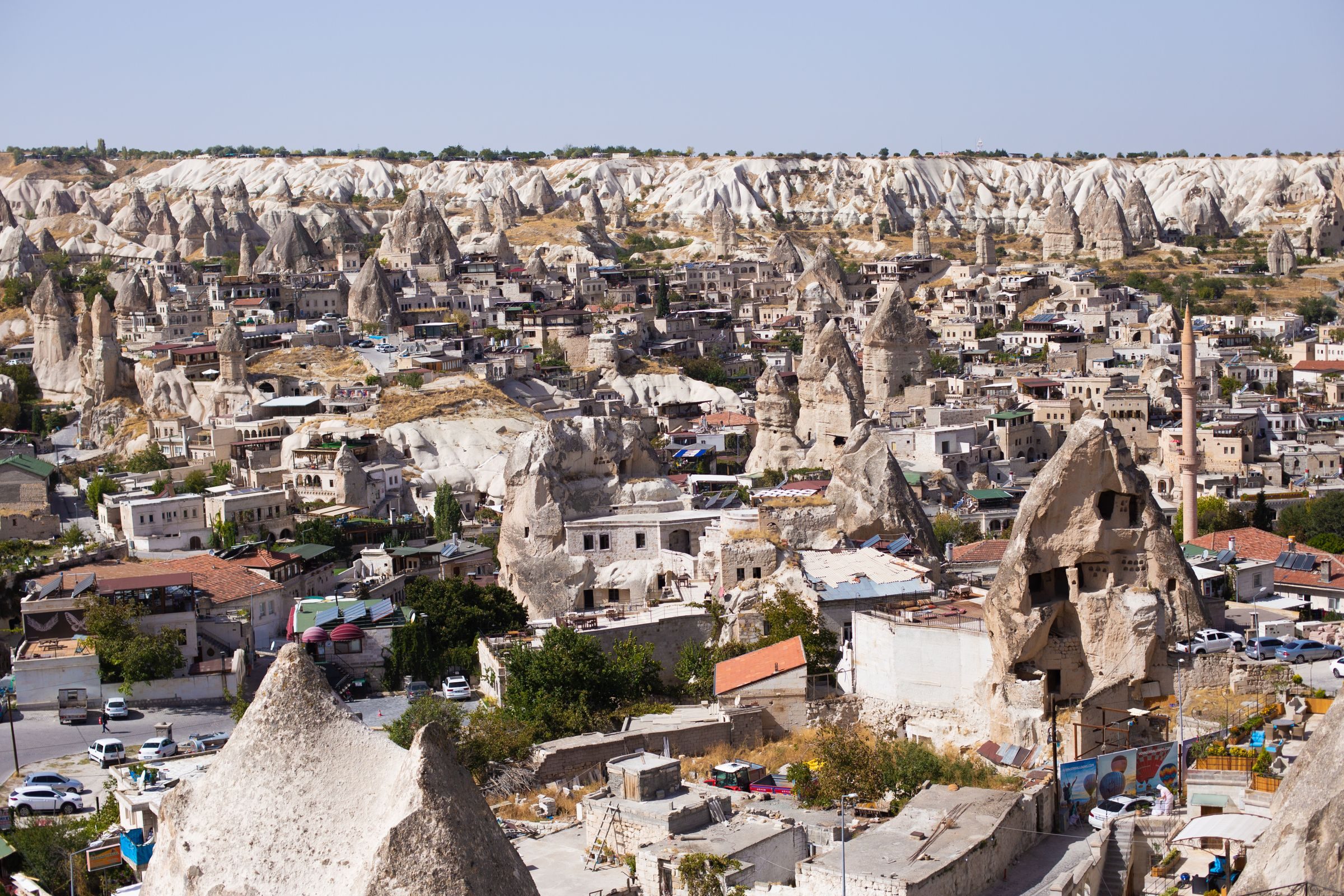
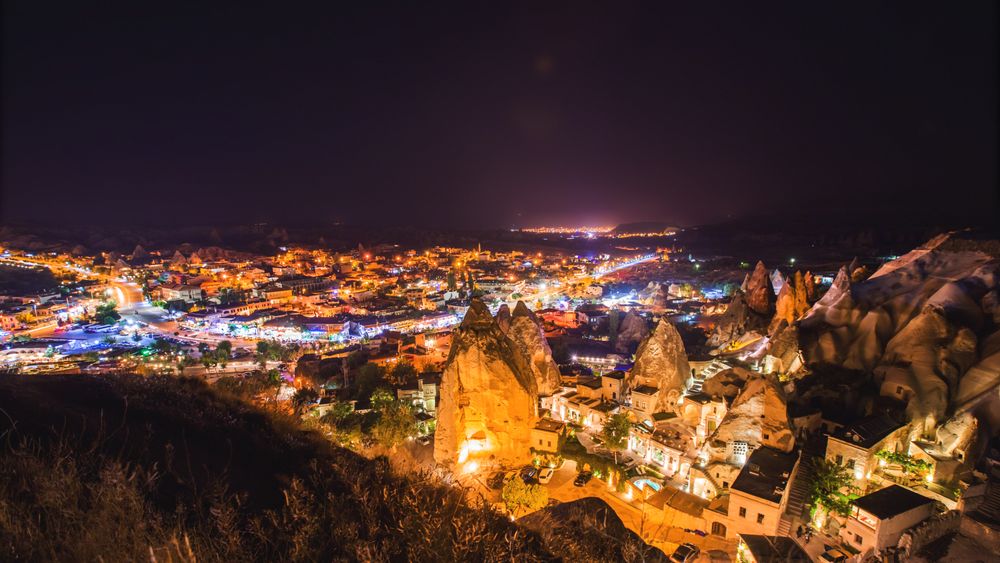
Nearly 100 square kilometres of tuff pinnacles, painted churches and pigeon houses around Göreme, Çavuşin and Ürgüp, inscribed as a World Heritage Site in 1985. The marked valleys need no guide, but the ground is loose underfoot, so wear shoes with grip.
-
Göreme Open Air Museum
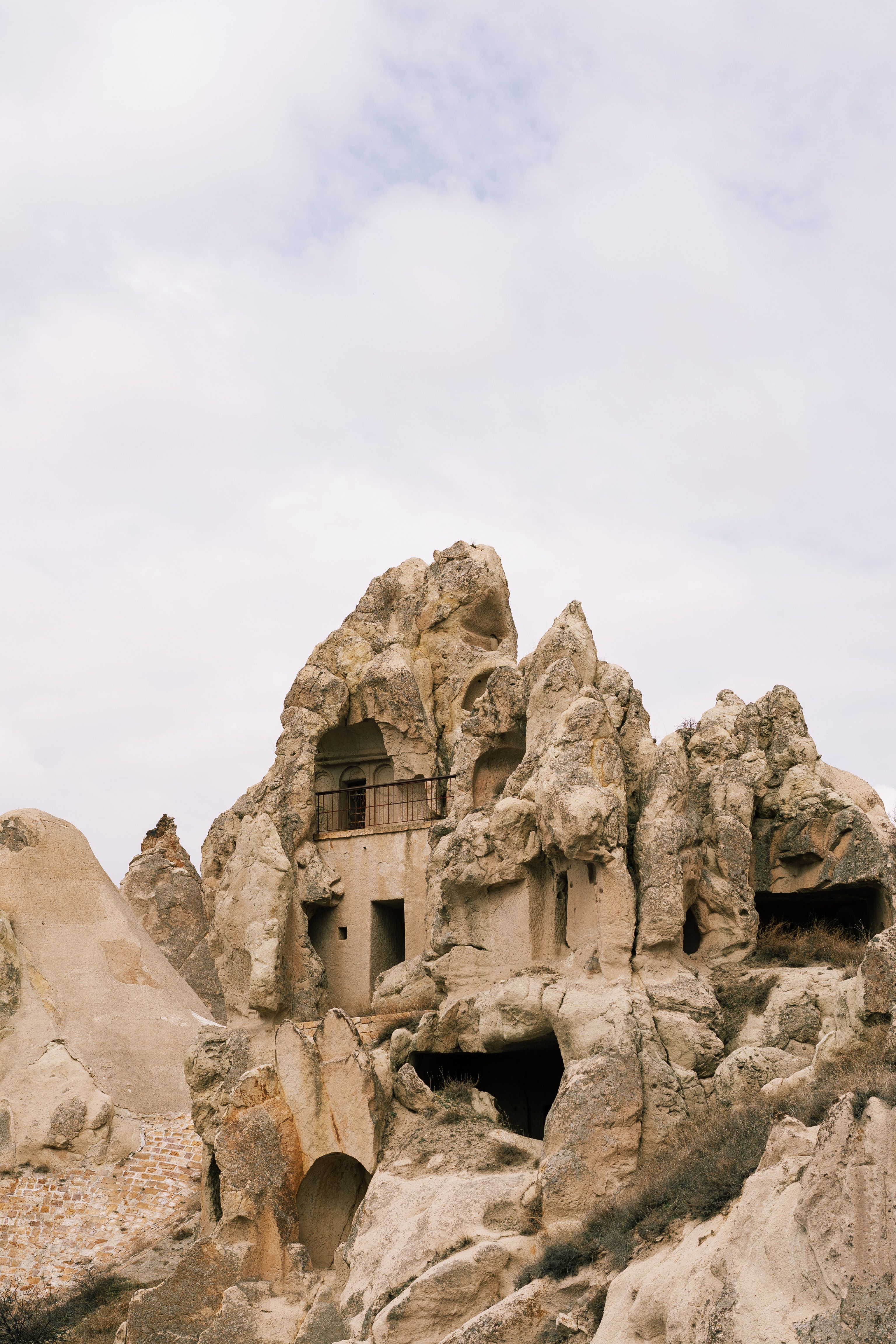
A cluster of rock-cut monastic churches whose wall paintings, from the tenth to the twelfth centuries, are still bright. Pay the extra ticket for the Dark Church, where the colour has survived best. Tokalı Kilise, just outside the main enclosure, has panels of deep blue made from lapis lazuli and a crypt beneath the nave.
-
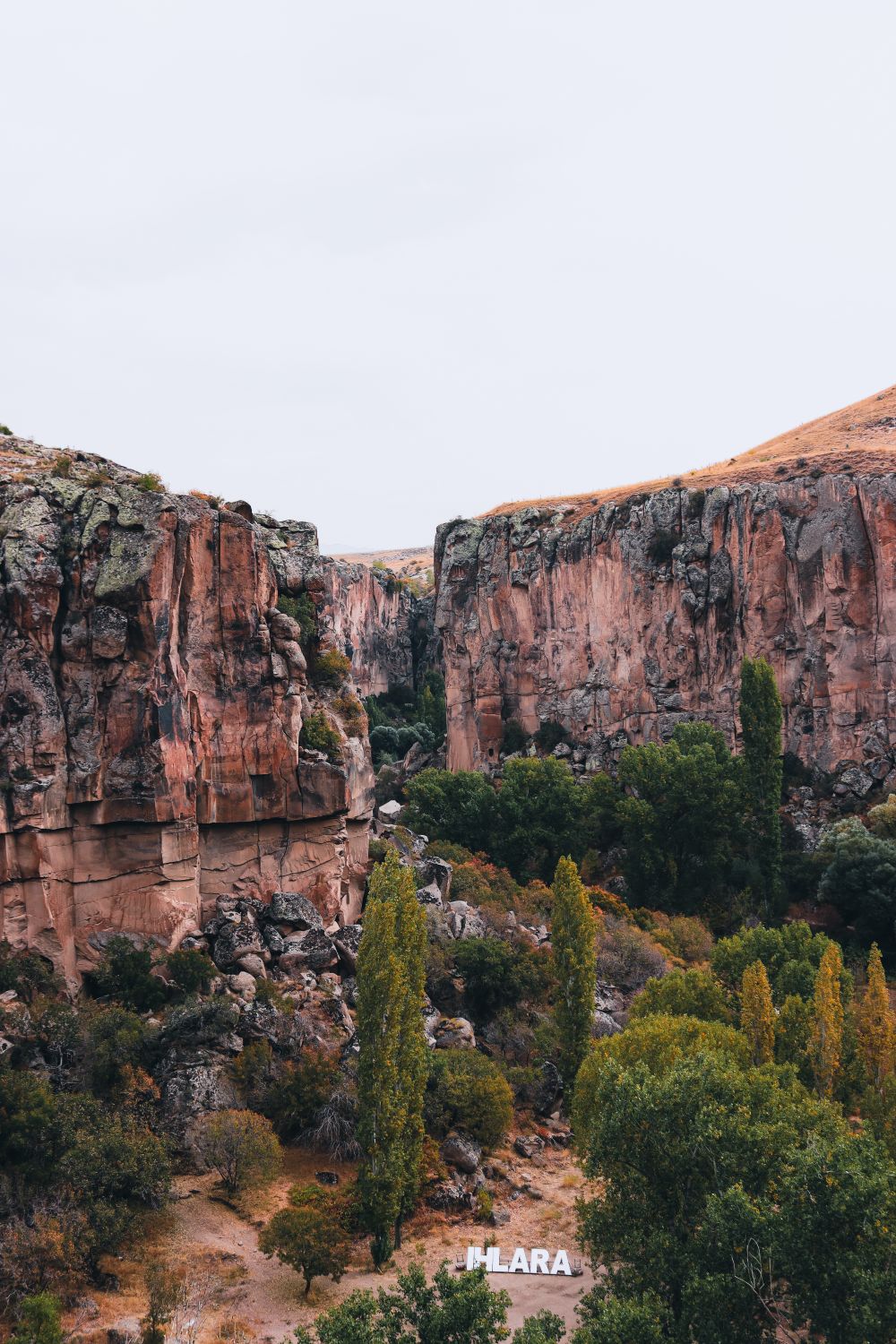
Ihlara Valley
A gorge about fifteen kilometres long and up to 150 metres deep, cut by the Melendiz stream and lined with rock churches, some still painted. The usual walk follows the stream under poplars between Ihlara village and Belisırma, green where Göreme's valleys are bare. It lies about an hour and a half's drive south west, so it fills a whole day by car or on an organised tour.
-
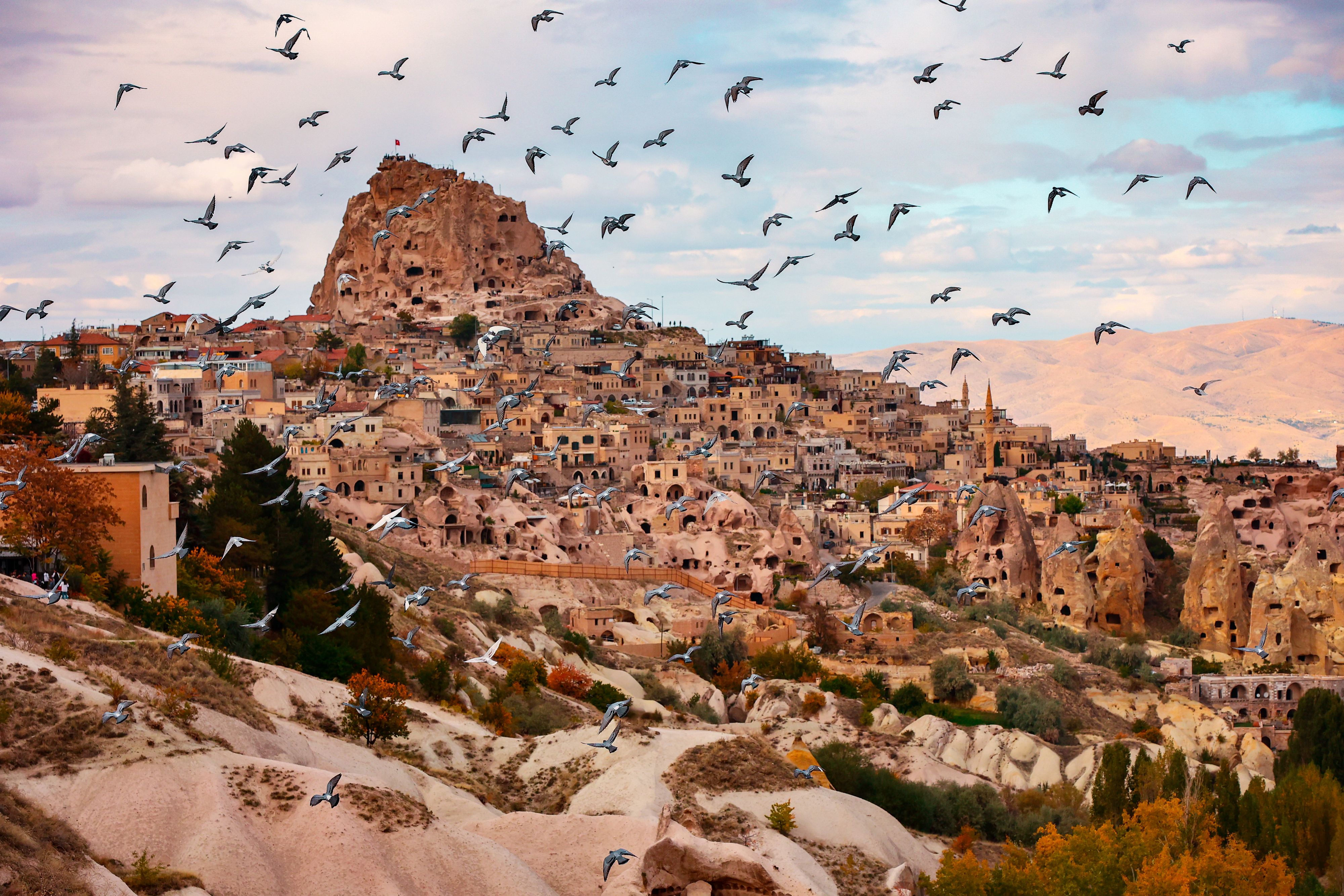
Pigeon Valley
Cliffs pocked with cut pigeon houses line the valley between Uçhisar and Göreme, kept for centuries for the manure that fed the vines. The walk takes about an hour; start at Uçhisar so it runs downhill. Climb the castle first, then walk down and finish in Göreme village.
-
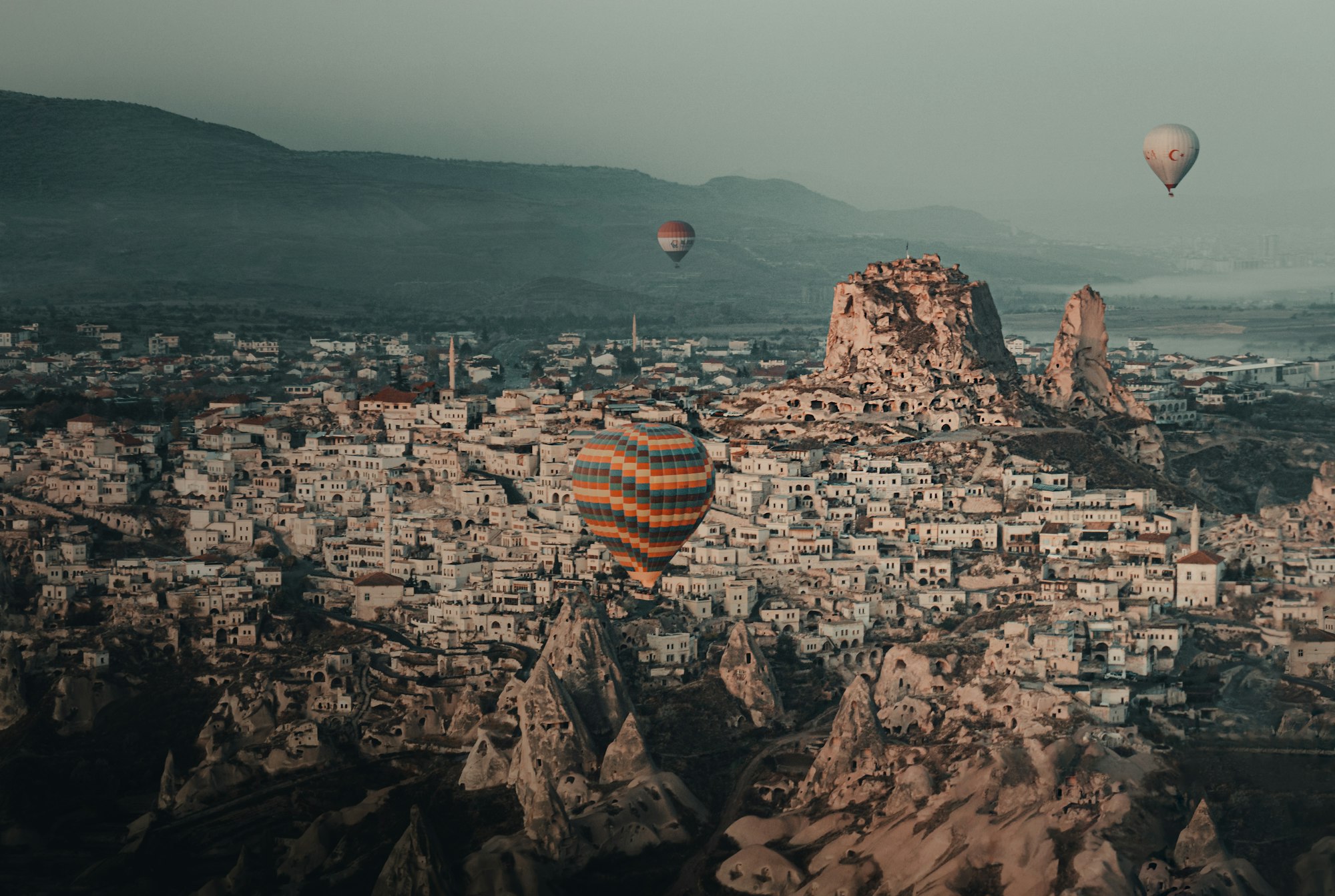
Uçhisar Castle
The tallest rock outcrop in Cappadocia, tunnelled through with rooms and stairways and open to the summit. The view takes in Göreme, the whole plateau and Mount Erciyes, the snow-capped volcano to the east, and it is one of the best sunset spots in the region.
-
Argos in Cappadocia
Built into a ruined monastery and the tunnels beneath it near the top of Uçhisar, this hotel has its own wine cellar and a terrace facing Mount Erciyes. Its rooms are cut into the rock itself, and the castle and the head of Pigeon Valley are both within a short walk of the entrance.
-
Çavuşin
A half-abandoned village under a cliff face north of Göreme, with the ruined Church of St John the Baptist above it and the Red Valley trailhead at its edge. From here, the path runs on into Güllüdere, the Rose Valley, and back to Göreme on foot.
-
Kaymaklı Underground City
Four floors of this underground city are open beneath Kaymaklı village, south of Nevşehir on the Niğde road, with a church, a stable, wine presses and kitchens. Its tunnels are lower, narrower and steeper than those at Derinkuyu. Houses in the village above still use some of the tunnels as cellars and stables.
-
Love Valley
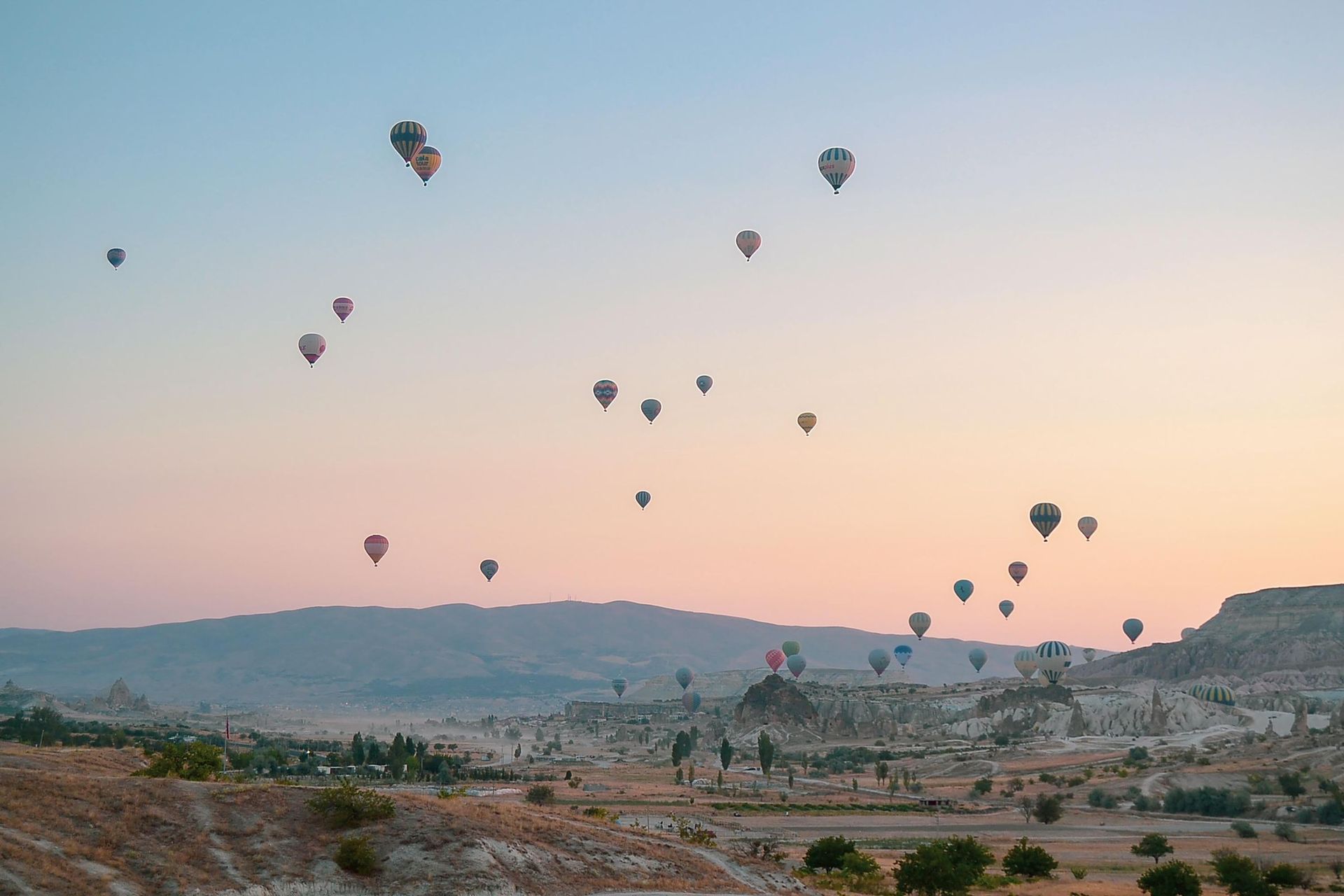
Tall freestanding tuff columns fill this valley west of Göreme, best seen from the road above it or walked from the village in about two hours. Its Turkish name, Aşıklar Vadisi, comes from a local legend of two lovers from feuding families. Go early, when the low sun picks out the columns and the balloons drift overhead.
-
Meskendir Valley
Narrower and greener than its neighbours, this valley starts beside Aynalı Church, just past the Open Air Museum, and climbs north towards the Red Valley ridge. Joined to the Red and Rose valleys it makes a full day of about ten kilometres and five to six hours. Signs are poor in places, so load an offline map before setting out.
-
Museum Hotel
A cave hotel on the Uçhisar slope assembled around a private collection of Anatolian antiquities, with an infinity pool looking over the Göreme valley. It sits below the rock citadel, so the castle climb is a short walk uphill, and its terraces face the valley where the balloons rise at dawn.
-
Özkonak Underground City
Smaller and far quieter than Derinkuyu or Kaymaklı, this underground city lies beneath a village north of Avanos, about half an hour's drive from Göreme. Its tunnels keep their rolling stone doors and narrow air shafts, and a visit takes under an hour. It is a good use of a morning when the balloons are grounded.
-
Paşabağ
Multi-headed fairy chimneys crowd this small valley about a kilometre from the Zelve open-air museum, and several of them were hollowed out as hermit cells. Its mushroom-capped chimneys are the ones on many Cappadocia postcards. It is a short stop, and paired with Zelve it fills a morning.
-
Red Valley
Iron in the tuff gives this valley its colour, and a ridge path climbs out of it to a viewpoint with a small café at the top. On its own, the Red Valley walk takes about three hours. Quad bikes share the lower tracks, so walk early or late to stay clear of their dust.
-
Rose Valley
Pink-streaked tuff walls and a handful of rock-cut churches line this valley east of the village; the trailhead is about half an hour's walk from Göreme. Walked together with the Red Valley next door, the loop runs about eight kilometres and takes four to five hours. The rock turns pink in the last hour before sunset.
-
Sultan Cave Suites
A cave hotel on the Göreme hillside whose terrace appears in many of the best-known balloon photographs of Cappadocia. Breakfast is served on the terrace, and the hotel books out weeks ahead in season. The rooms are cut into the soft volcanic rock of the slope.
-
Sunset Point
A short climb above the village centre, this hilltop looks across the fairy chimneys towards Uçhisar. It works at both ends of the day: at dawn the balloons rise over the valleys in front of it, and at dusk the rock goes gold. On balloon mornings it fills with photographers, so arrive before first light.
-
Zelve Monastery
Three valleys of cave dwellings, churches and a small mosque, lived in until 1952, when the villagers were moved out over fears of collapse. A tunnel joins two of the valleys. The churches carry carved relief crosses and little of Göreme's painting, so the draw is the abandoned village itself, with its mill and dovecotes. It sits on the Avanos road, about ten kilometres from Göreme.