Things to do
6-
Eski Datça
The original inland village of stone houses and bougainvillea, a couple of kilometres above the harbour, abandoned when its families moved down to the coast and later bought back street by street. At that distance the village is an easy walk up from the waterfront, and its lanes are best explored on foot.
-
Palamutbükü
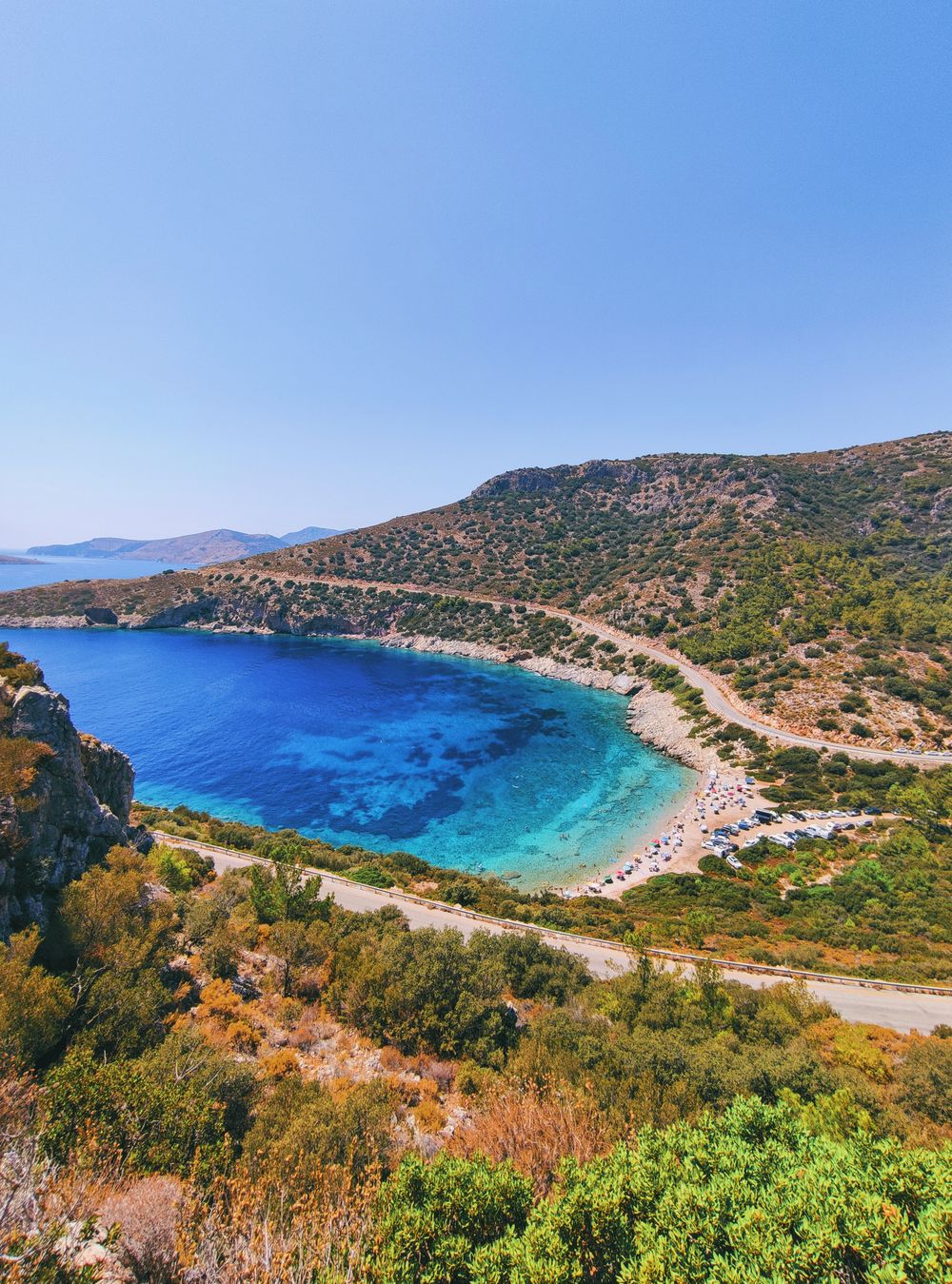
A pebble beach at the western end of the peninsula, with water clear enough to see the bottom well out from the shore and a row of family-run fish restaurants along the back of it. It faces the open Aegean, so the sea here can be windy.
-
Hayıtbükü
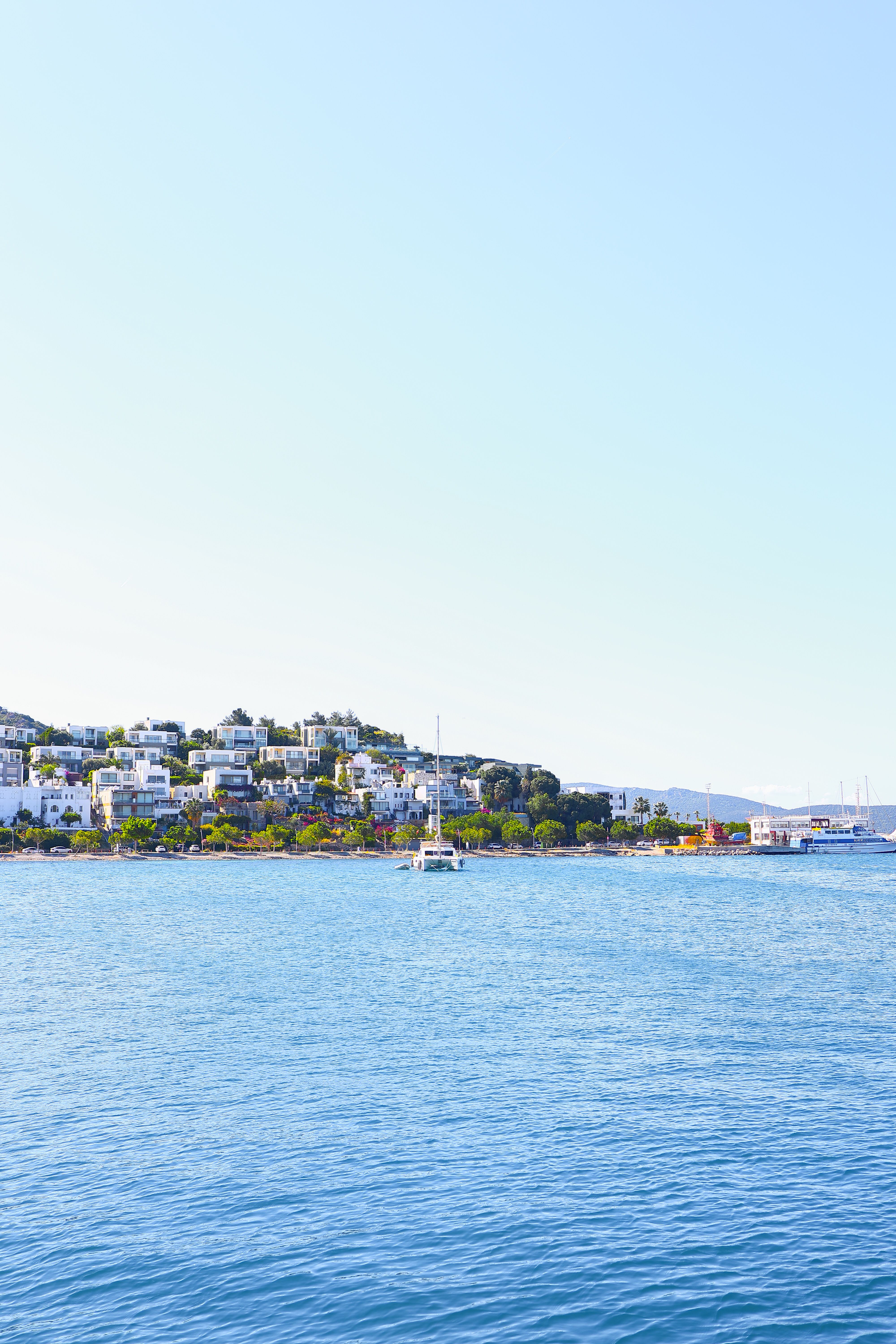
A sheltered bay beside Ovabükü where yachts anchor overnight, with a jetty, a few restaurants and pine trees growing down to the water. Its shelter keeps the sea calm for swimming off the jetty and the beach, and the anchored boats stay in the bay through the evening.
-
Knidos
A Greek city at the tip of the peninsula, built partly on a former island now joined to the mainland by a sandy isthmus that splits the water into two harbours. The theatre faces the sea, and the round temple terrace held the Aphrodite of Knidos by Praxiteles, the first nude Aphrodite in Greek sculpture. Reaching it means a thirty-five-kilometre drive of switchbacks from Datça.
-
Mehmet Ali Ağa Konağı
An eighteenth-century Ottoman mansion in the village of Reşadiye, restored and run as a hotel. The main house keeps its original painted ceilings, and the guest rooms are set in the garden buildings around it. It is a place to stay, not a sight to tour, and a quiet base above the harbour.
-
Ovabükü
A sand and shingle bay on the south coast, reached by a side road through almond groves, with a handful of pensions and no development behind them. It sits beside Hayıtbükü, and swimmers make the detour off the main peninsula road for the clear water off its beach.