Things to do
5-
Bulak Mencilis Cave
North of the town near the village of Bulak, this multi-level cave has a lit section of several hundred metres open on its middle level, with stalactites, columns and curtains of dripstone. An underground stream on the lowest level supplies drinking water to Safranbolu and forms a waterfall inside. The main entrance sits high on the valley side, up a long stair, and the air inside stays around twelve degrees.
-
Cinci Han
Built in 1645 by Cinci Hoca, a scholar close to the palace, with money from Kösem Sultan, this stone caravanserai stands on the old trade road through the Çarşı quarter. It served travelling merchants until the early twentieth century, then became a warehouse, and now runs as a hotel. Non-guests can walk into the courtyard, which is the easiest way to see the inside of a working han.
-
Hıdırlık Hill
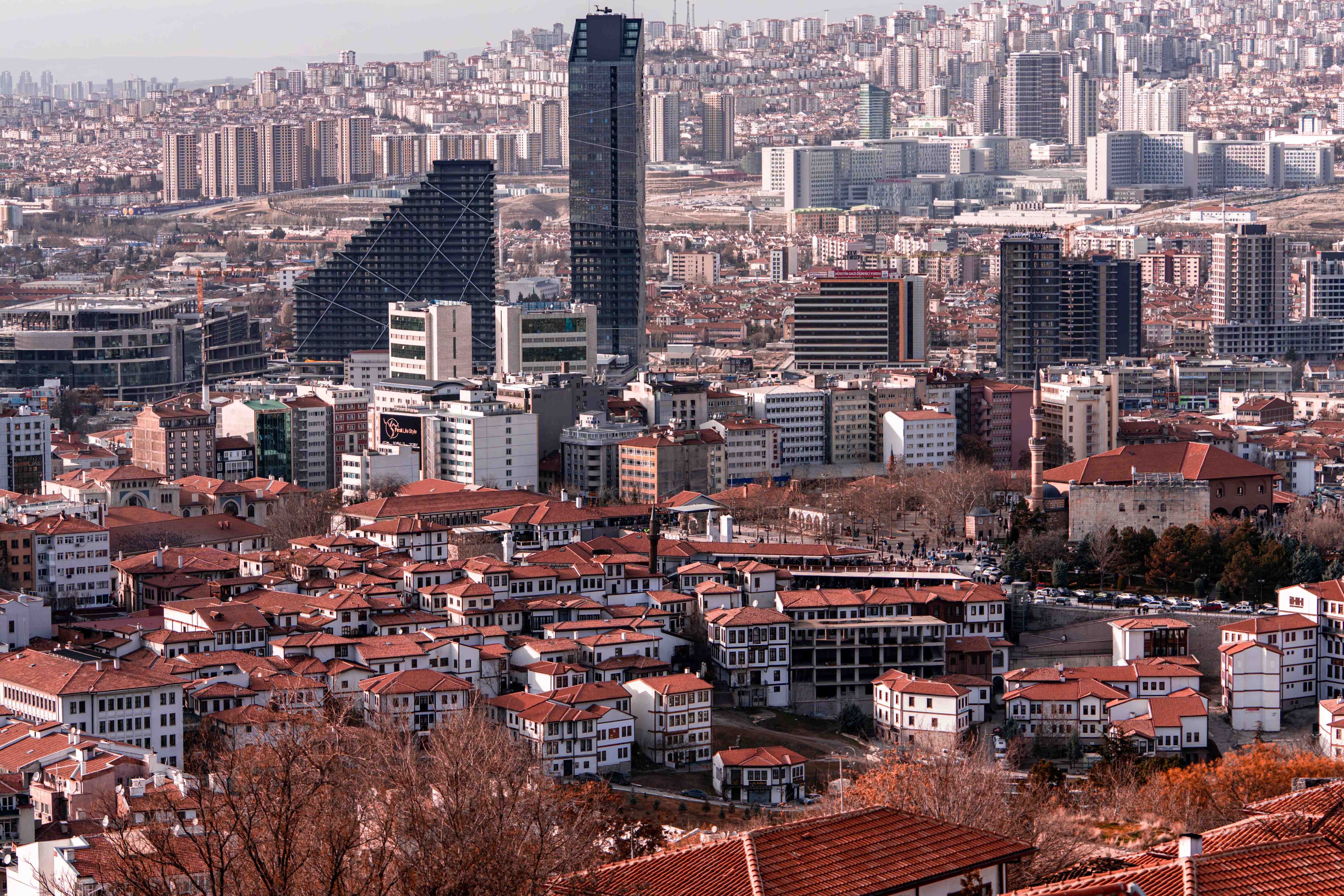
Above the Çarşı quarter, about fifteen minutes' climb from the market, this hilltop gives the clearest view over the old market and the tiled roofs of the Ottoman houses below. It was where the first Turkish settlers held rain prayers and Hıdrellez celebrations, and it keeps the tomb of Hasan Pasha of 1845, two open-air prayer places and a tea garden.
-
İncekaya Aqueduct
Six rubble-stone arches carry this eighteenth-century aqueduct across the Tokatlı canyon north of the town, up to sixty metres above the stream. It was paid for by İzzet Mehmet Pasha to bring water to Safranbolu, and the walkway along the top is barely wide enough for two to pass. A glass viewing terrace sits beside it, and a canyon path runs underneath.
-
İzzet Mehmet Pasha Mosque
Grand vizier İzzet Mehmet Pasha, born in Safranbolu, paid for this mosque in the market place, built between 1794 and 1798. An underground stream runs beneath it, so the floor was raised on arches. Shops, a library and two fountains belonged to the same foundation, and the profile recalls the Nuruosmaniye Mosque in Istanbul. The richly decorated mimbar bears the tughra of Selim III.