Things to do
9-
Cumalıkızık
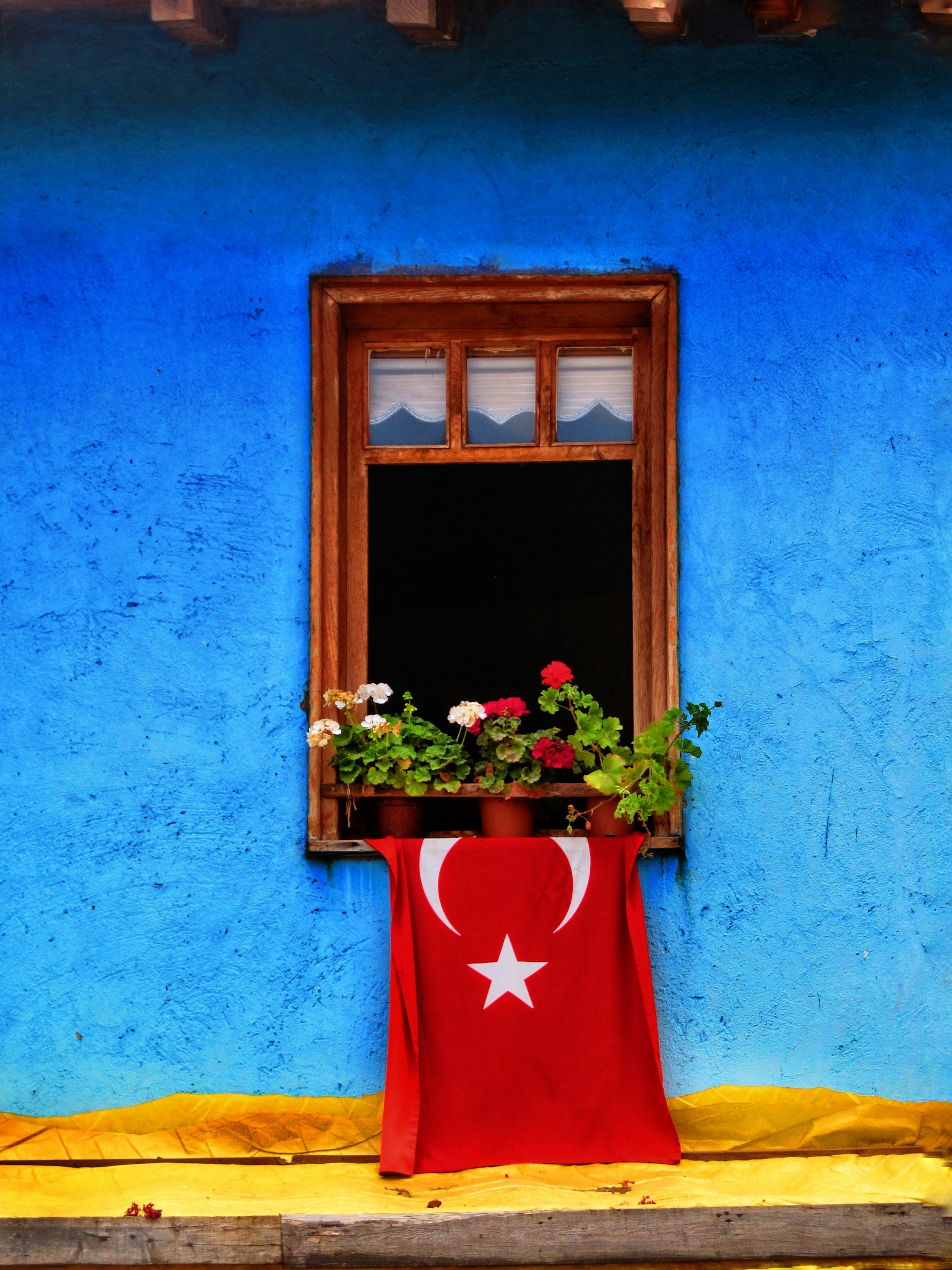
About 270 protected timber and rubble houses, many still lived in, line the lanes of this Ottoman village at the foot of Uludağ, some ten kilometres east of the city. Founded as a waqf settlement, it is closed to motor traffic, so the walk from the entrance is on foot. Upper floors overhang the cobbles, and the village appears often in Turkish period television. It forms part of the World Heritage listing.
-
Grand Mosque
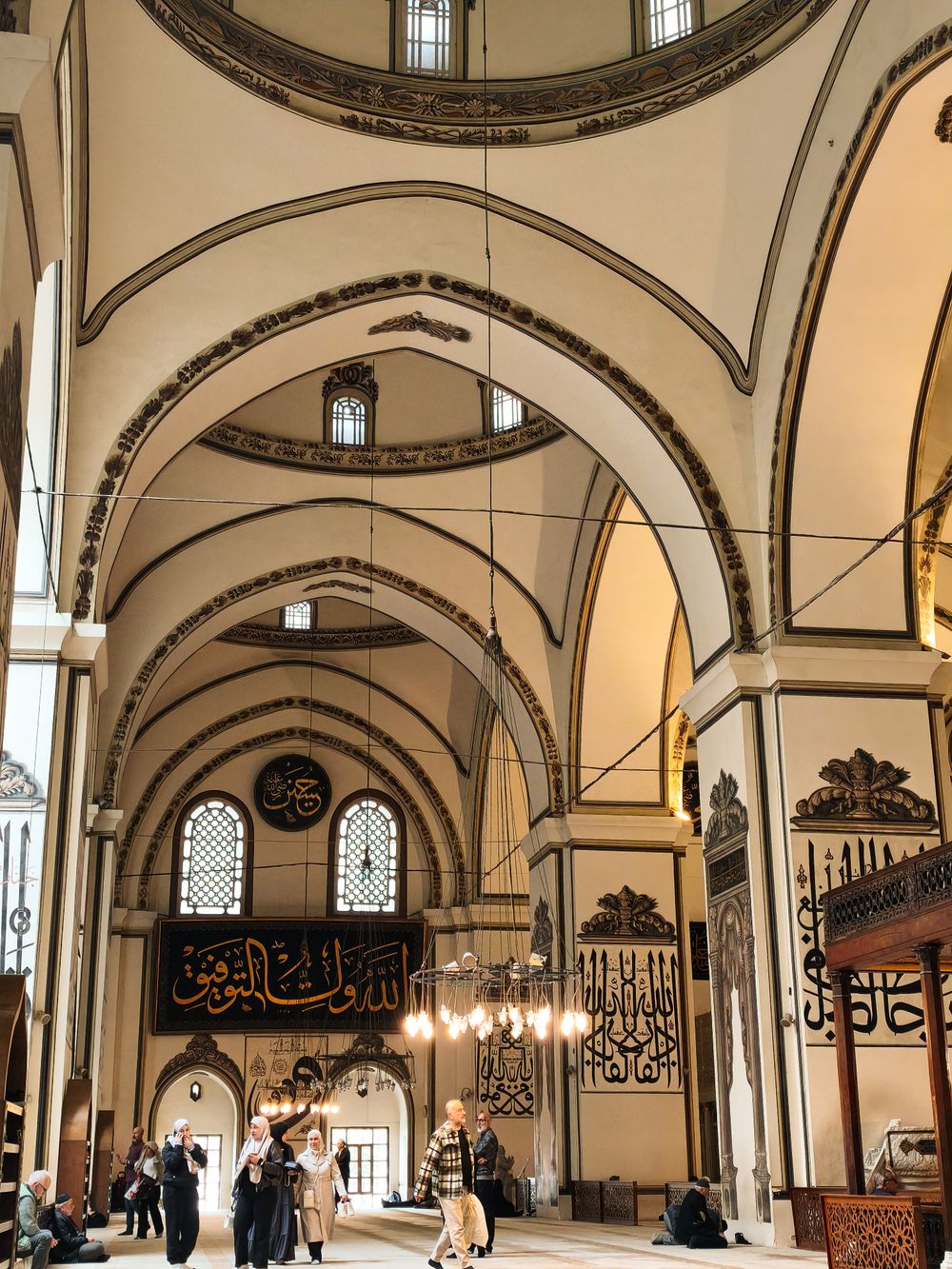
Twenty domes in four rows of five, raised on twelve pillars between 1396 and 1399, cover the largest mosque in Bursa. Under the central dome, glazed over today, an ablution fountain stands in a basin, and the walls carry nearly two hundred monumental inscriptions by Ottoman calligraphers. It sits in the heart of the old city beside the covered markets, so a visit fits easily between the hans.
-
Green Mosque
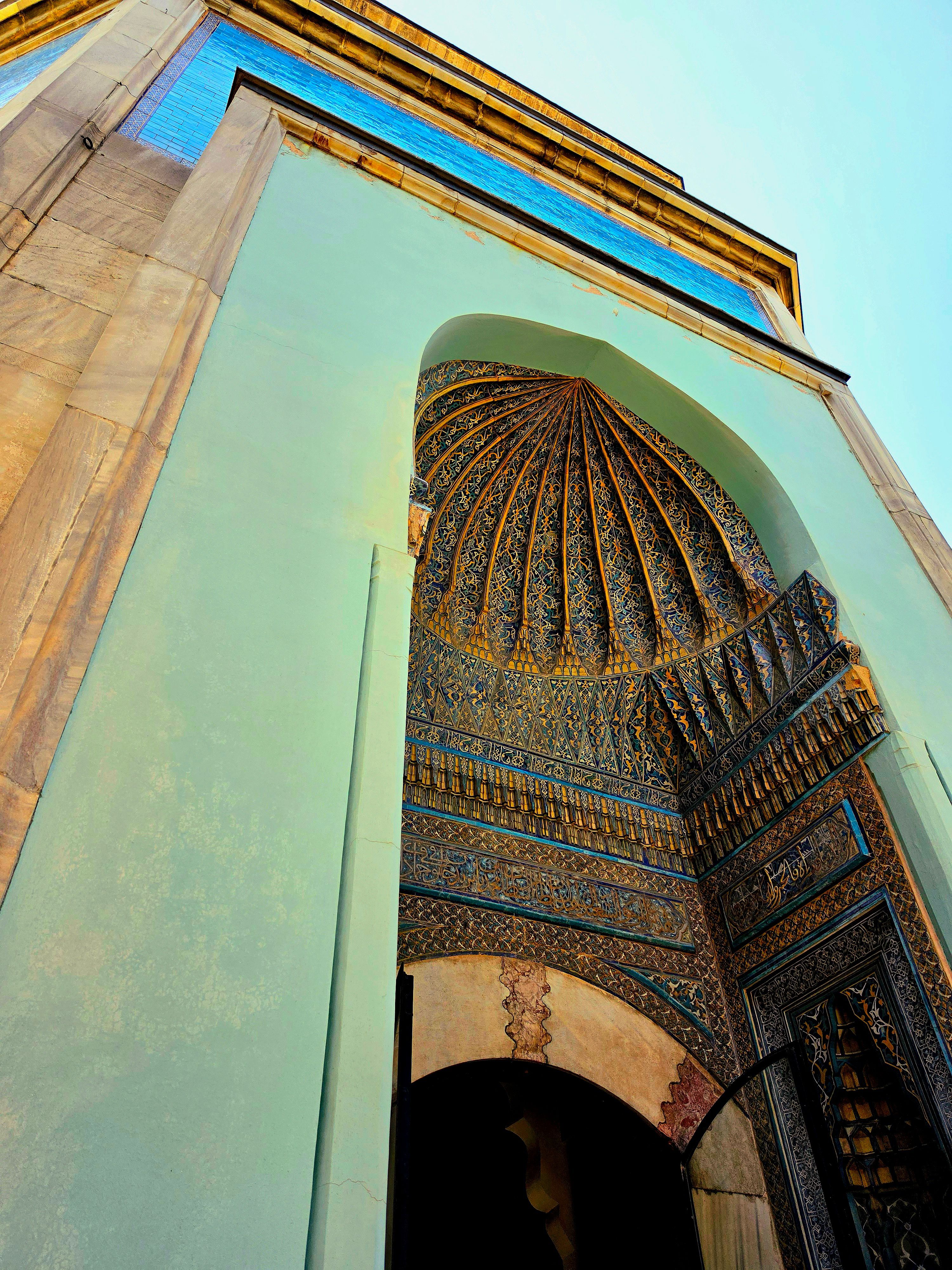
Blue-green tile made by craftsmen known as the Masters of Tabriz lines the interior of this mosque, completed around 1419 for Mehmed the First, with a painted sultan's loge above the entrance. It is the centre of a complex that also held a college, a public kitchen and a bathhouse, and the Green Tomb stands on the rise opposite. Much of the fabric was restored after the earthquake of 1855.
-
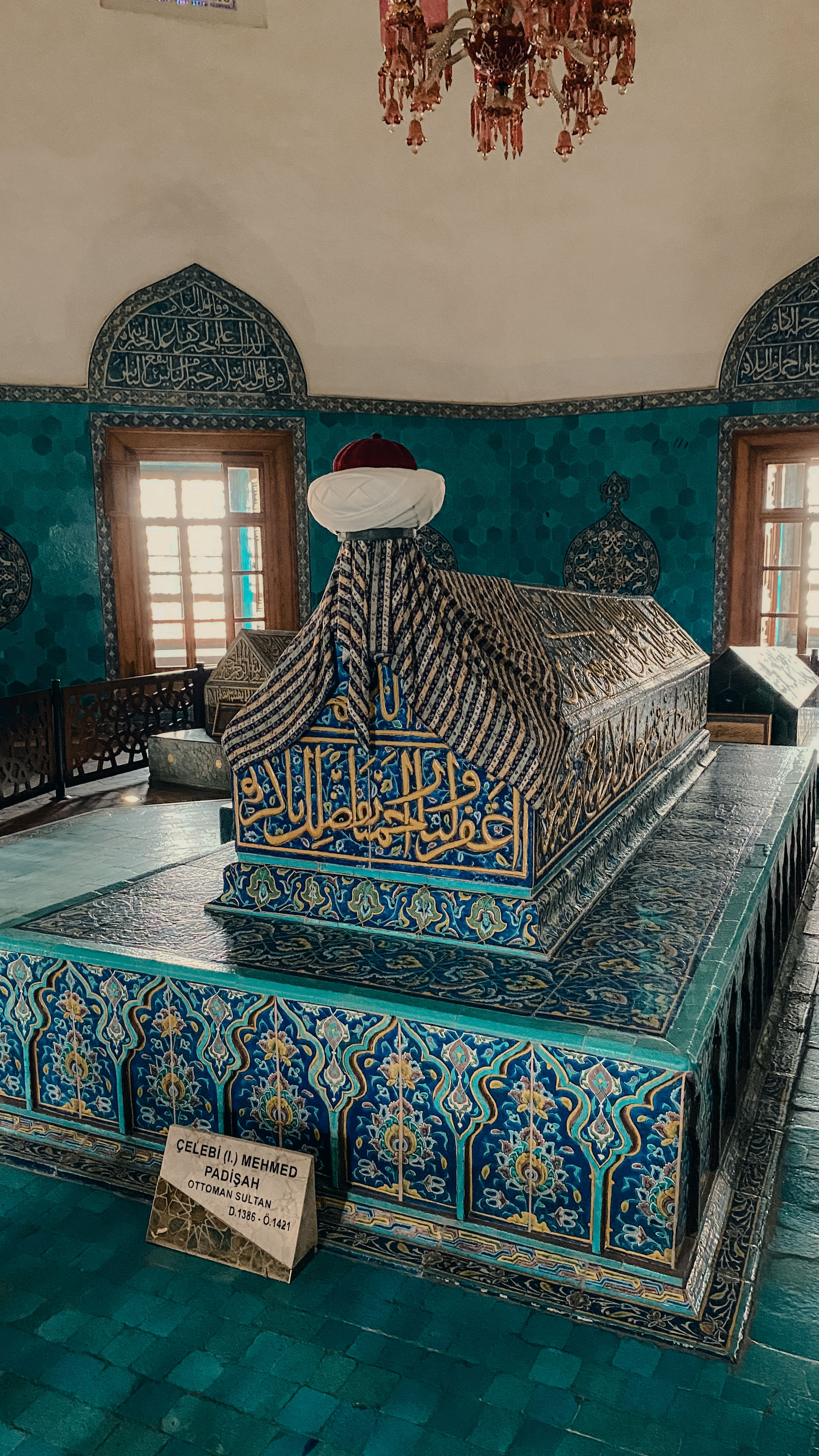
Green Tomb
Set among cypresses on the hill above the Green Mosque, the hexagonal tomb of Mehmed the First is clad in green-blue tile and visible from much of the lower city. Most of the outer tiles are replacements fitted after the 1855 earthquake. Inside, past carved wooden doors, the tiled catafalque of the sultan stands among seven family tombs, and the mihrab niche is a mosaic of roses, carnations and hyacinths.
-
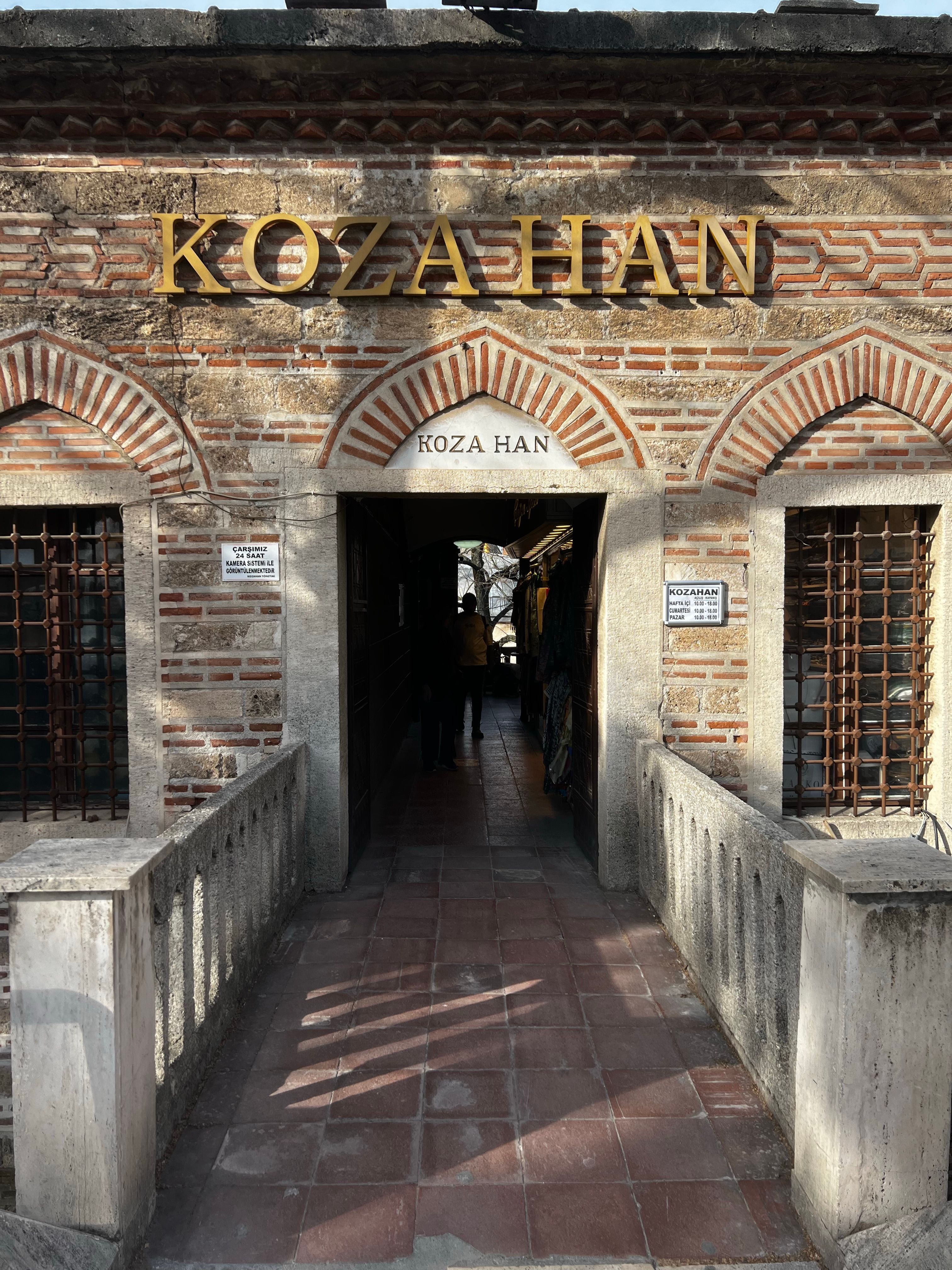
Koza Han
Silk merchants once took two rooms here, one above the other, sleeping and trading upstairs and storing cocoons below. The han was built in 1491 around a courtyard with a small domed mescit raised over a fountain in the middle, and it still works as a market. Tea tables fill the courtyard, and the building sits between the Grand Mosque and the Orhan Mosque in the old commercial quarter.
-
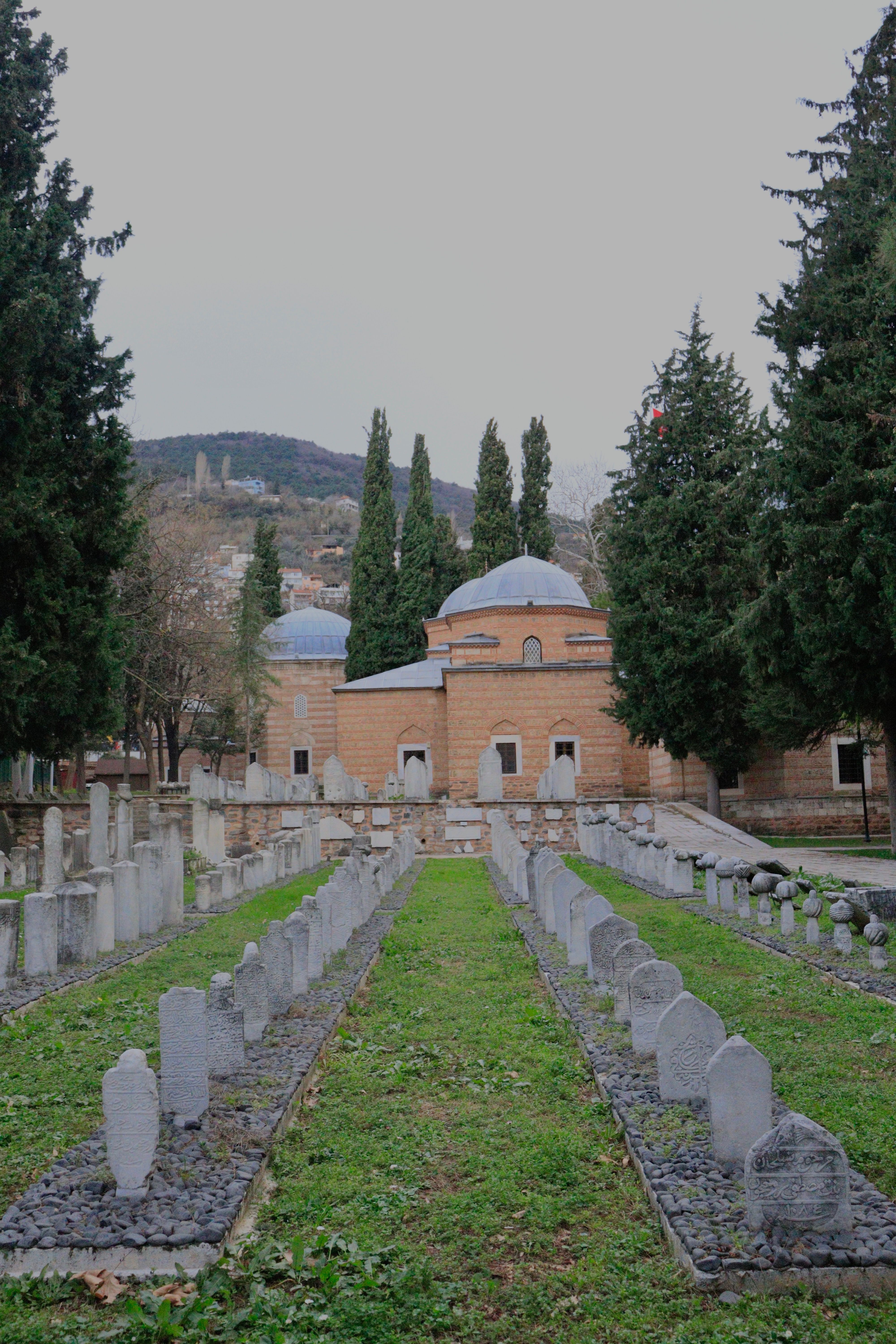
Muradiye Complex
A mosque, college, bathhouse and garden of twelve royal tombs, begun by Murad II and finished first with the mosque in 1426. The tombs hold princes and wives of the dynasty, among them Cem Sultan, and the tomb of Şehzade Mustafa is lined with painted İznik tile. The complex was restored again in 2015, and the garden around the tombs is a calm place to sit away from the traffic of the centre.
-
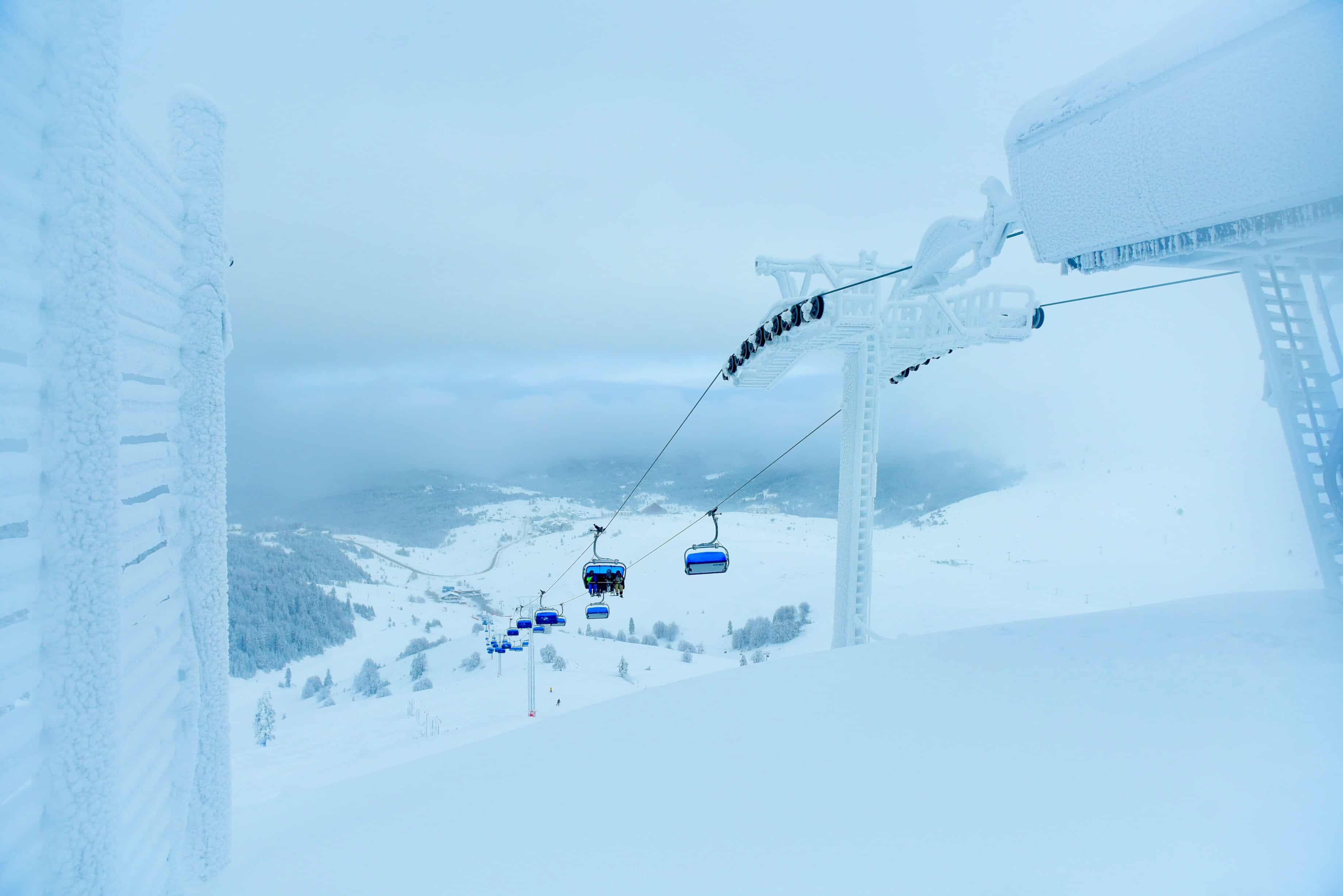
Uludağ
The 2,543-metre mountain above the city, a national park in summer and Turkey's best-known ski area in winter, reached by a cable car that climbs from Teferrüç in about twenty minutes. Snow is reliable from late December to March.
-
Bursa City Museum
On Heykel Square in the centre, the former courthouse of 1926 has held the city museum since 2004. The first floor runs through the story of Bursa in order, the second by theme, with wax figures of six Ottoman sultans and a model of the city. In the basement, sixteen reconstructed workshops recreate an eighteenth-century craft bazaar of knife makers, confectioners and other trades.
-
Karagöz Museum
Turkey's first museum of the Karagöz shadow theatre opened in 2007 in a former electricity substation on Çekirge Caddesi, facing the monument tomb of Karagöz and Hacivat, the two characters said to have been Bursa labourers. It holds painted leather figures, screens and puppets from other cultures, a specialist library and a small auditorium where performances are staged.