Things to do
7-
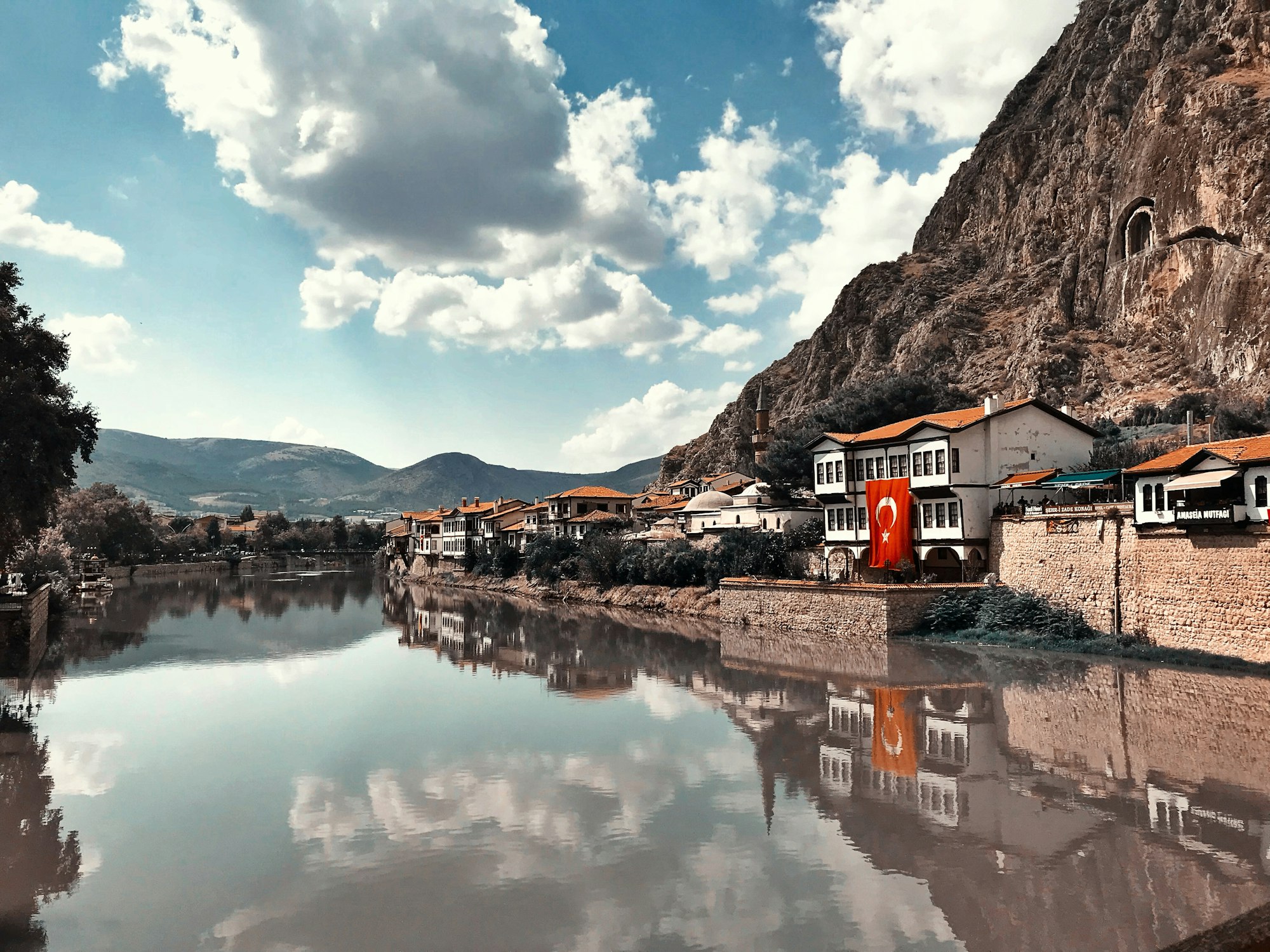
Amasya Castle
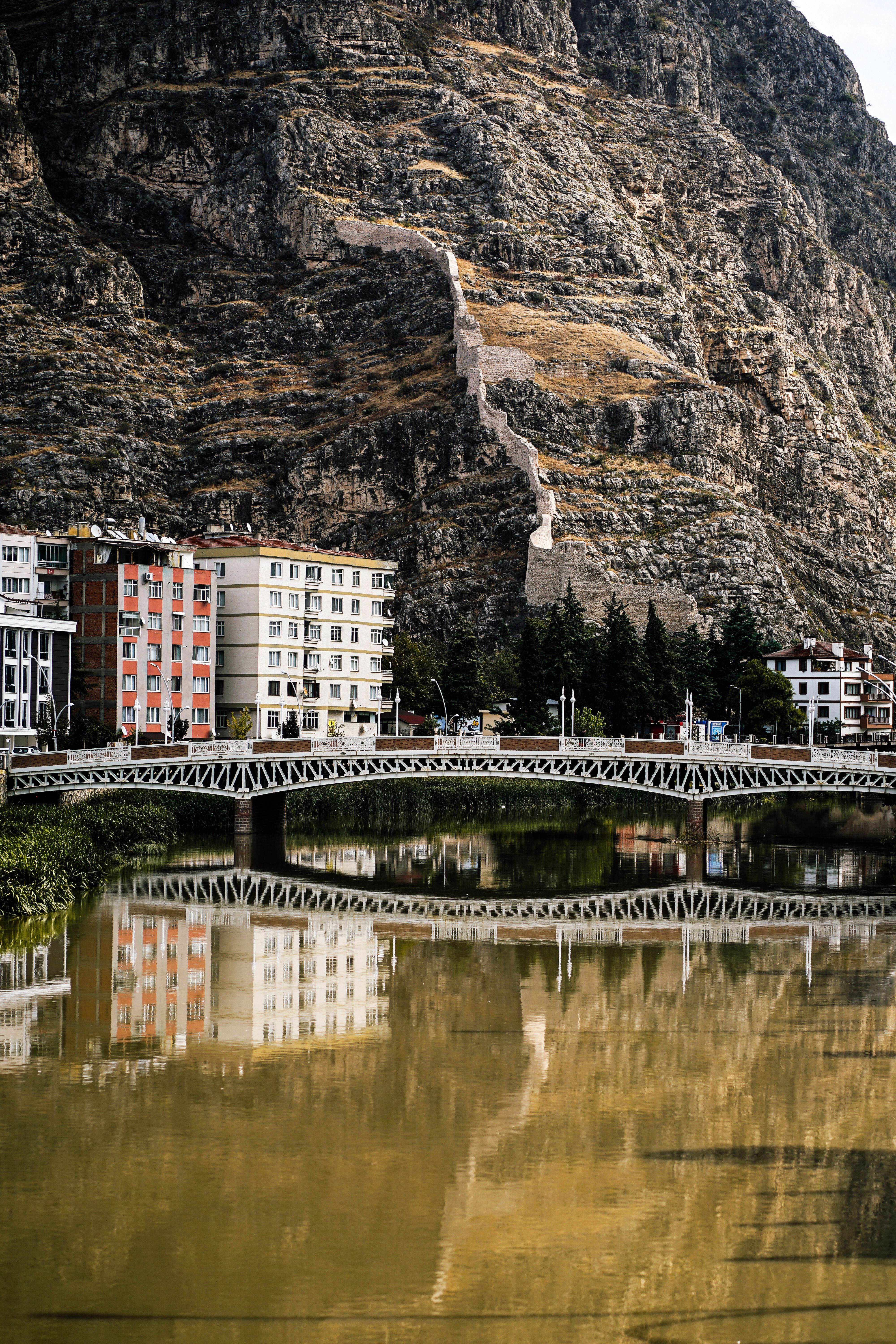
Walls of rubble and cut stone crown Mount Harşena above the royal tombs, with eight lines of defence falling toward the river and a view straight down the gorge. Inside are cisterns, dungeons, the ruins of an Ottoman bath and a rock-cut tunnel stair of about 150 steps. The road up is narrow and the last stretch is on foot, so the climb suits the cooler hours.
-
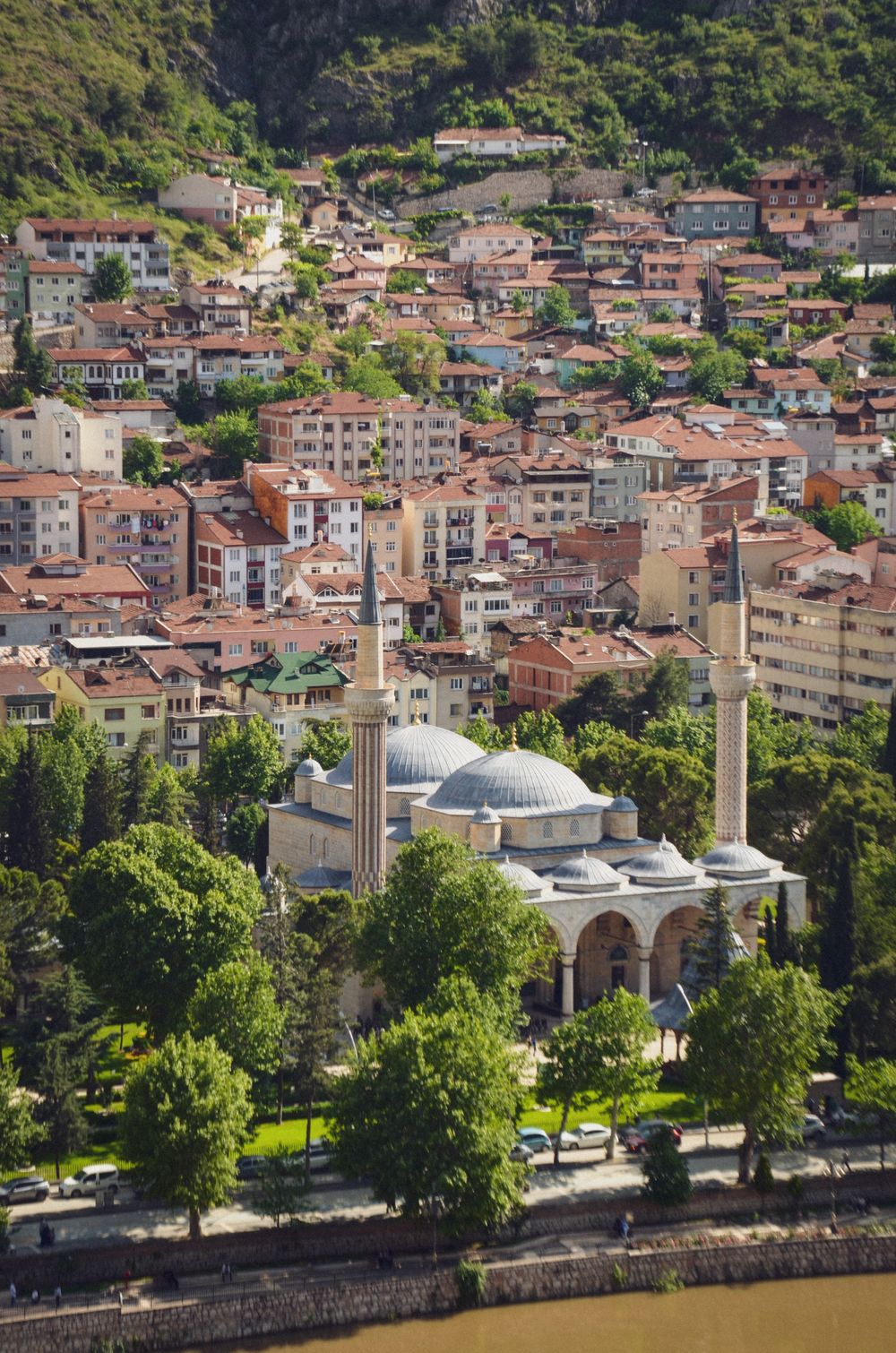
Bayezid II Mosque
Finished in 1486 on the order of Sultan Bayezid II, this riverside mosque anchors the largest külliye in Amasya. The prayer hall is covered by two domes, with a five-domed portico and a pair of minarets in front. A college, a public kitchen, a fountain and a library complete the complex, and the college held the first museum collection in 1925.
-
Amasya Museum
Founded in 1958 and in its present building since 1980, the town museum holds finds from eleven civilisations of the region alongside ethnographic rooms on local life. Stone sculpture fills the garden, where a separate building holds mummified bodies of the Ilkhanid period, stored with the first collection in 1925. Visitors uneasy with human remains can skip that room without missing the main halls.
-
Aynalı Cave
About three kilometres upstream from the centre on the road to Ziyaret, this rock-cut tomb of the Pontic period is reached by a short flight of steps. Its name, the mirrored cave, comes from the polished facade, which catches the light when the sun strikes the entrance. The tomb was later reused as a chapel and carries traces of Byzantine painting inside.
-
Büyük Ağa Medrese
Octagonal in plan, this theological college of 1488 was the first Ottoman building laid out on that shape, with small domed student rooms around a colonnaded courtyard. It was built for the chief eunuch of the palace harem during the reign of Bayezid II. The largest domed room is still used to train young hafız, so the courtyard is usually viewed from the gate.
-
Tombs of the kings of Pontus
Five monumental tombs of the Hellenistic kings of Pontus are cut into the limestone of Mount Harşena above the river, each between eight and fifteen metres high. Three are reached by stairs cut into the rock and two by a stepped tunnel, and the burial chambers sit so high in the facades that only a ladder reaches them. From the far bank the whole group can be seen above the rooftops.
-
Yalıboyu Houses
Lining the north bank of the Yeşilırmak, these timber-framed houses with mudbrick infill and tiled roofs date from the nineteenth and twentieth centuries. Many have a projecting upper room with windows on three sides, built out over the water. Several now serve as cafes, restaurants and small hotels, and the row is lit at night beneath the royal tombs, reflected in the river below.