Things to do
8-
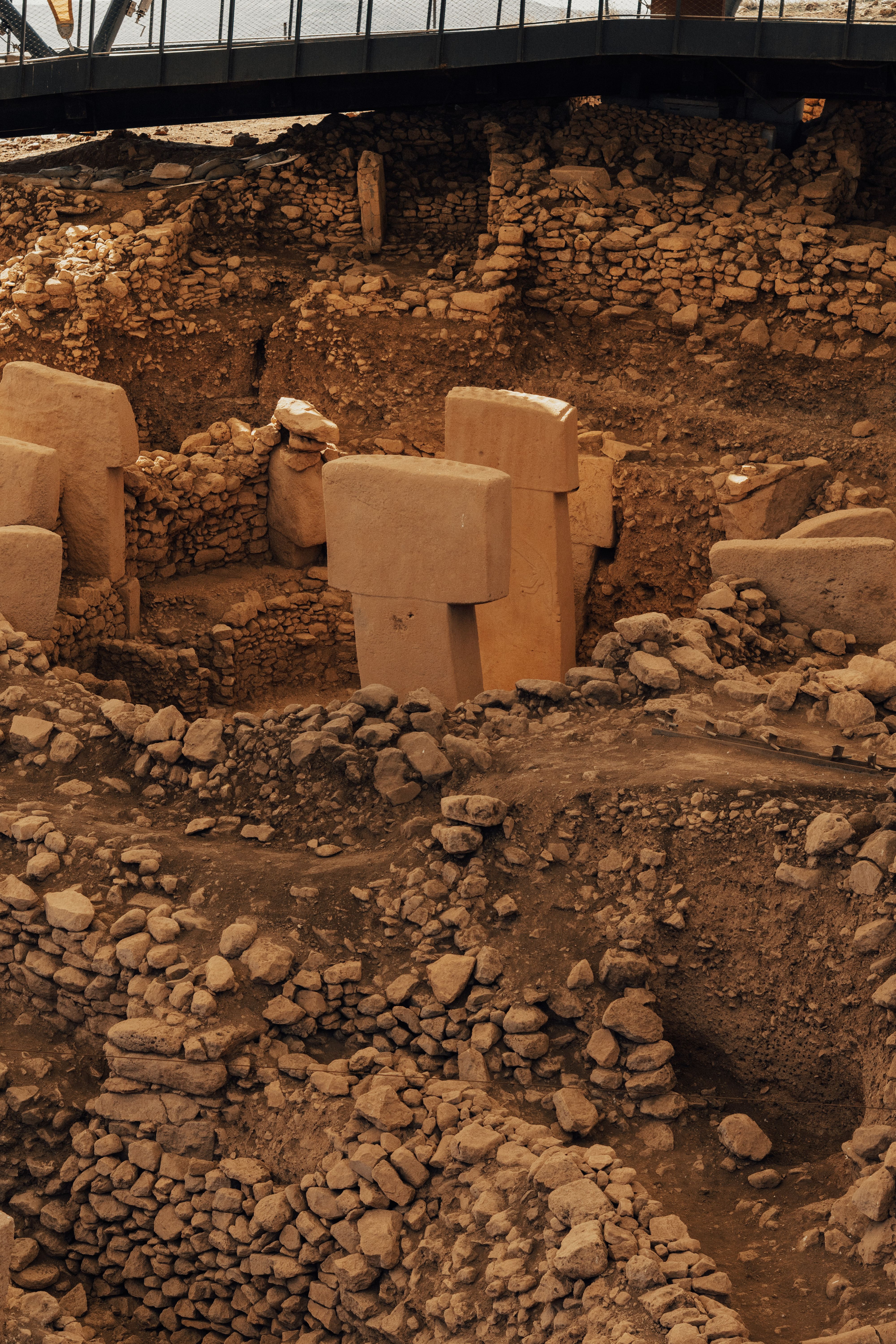
Göbekli Tepe
Circles of T-shaped limestone pillars carved with foxes, boars and cranes, raised from around 9500 BC by hunter-gatherers who supplemented wild food with early domesticated cereals. A UNESCO World Heritage Site since 2018, it is the oldest known monumental architecture in the world, and it is walked on a raised boardwalk under a canopy.
-
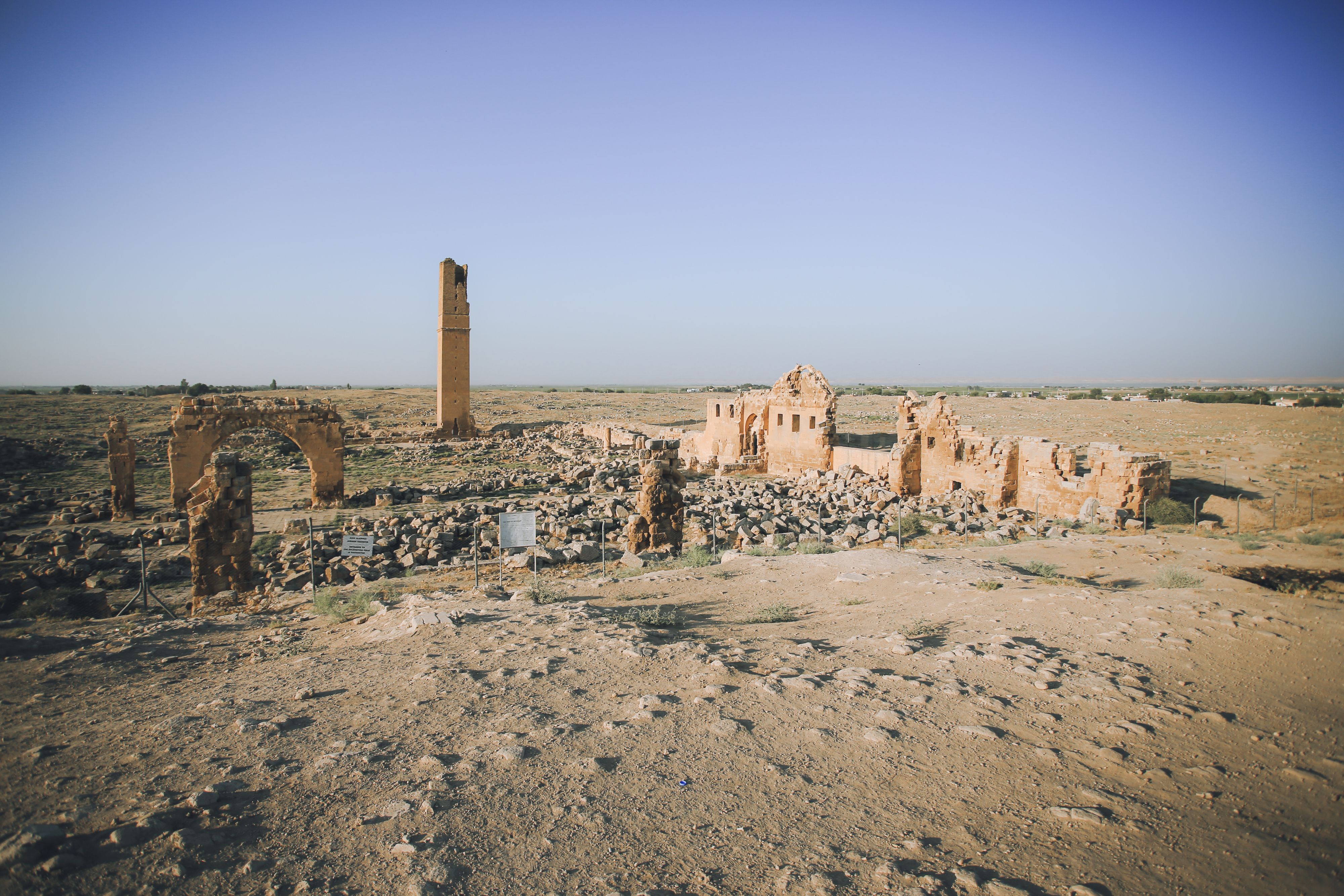
Harran
A town on the Syrian border inhabited for five thousand years, with the ruins of the first Islamic university, a crusader-period castle and the beehive mud houses that are still built here. Abraham is said to have lived here before Canaan.
-
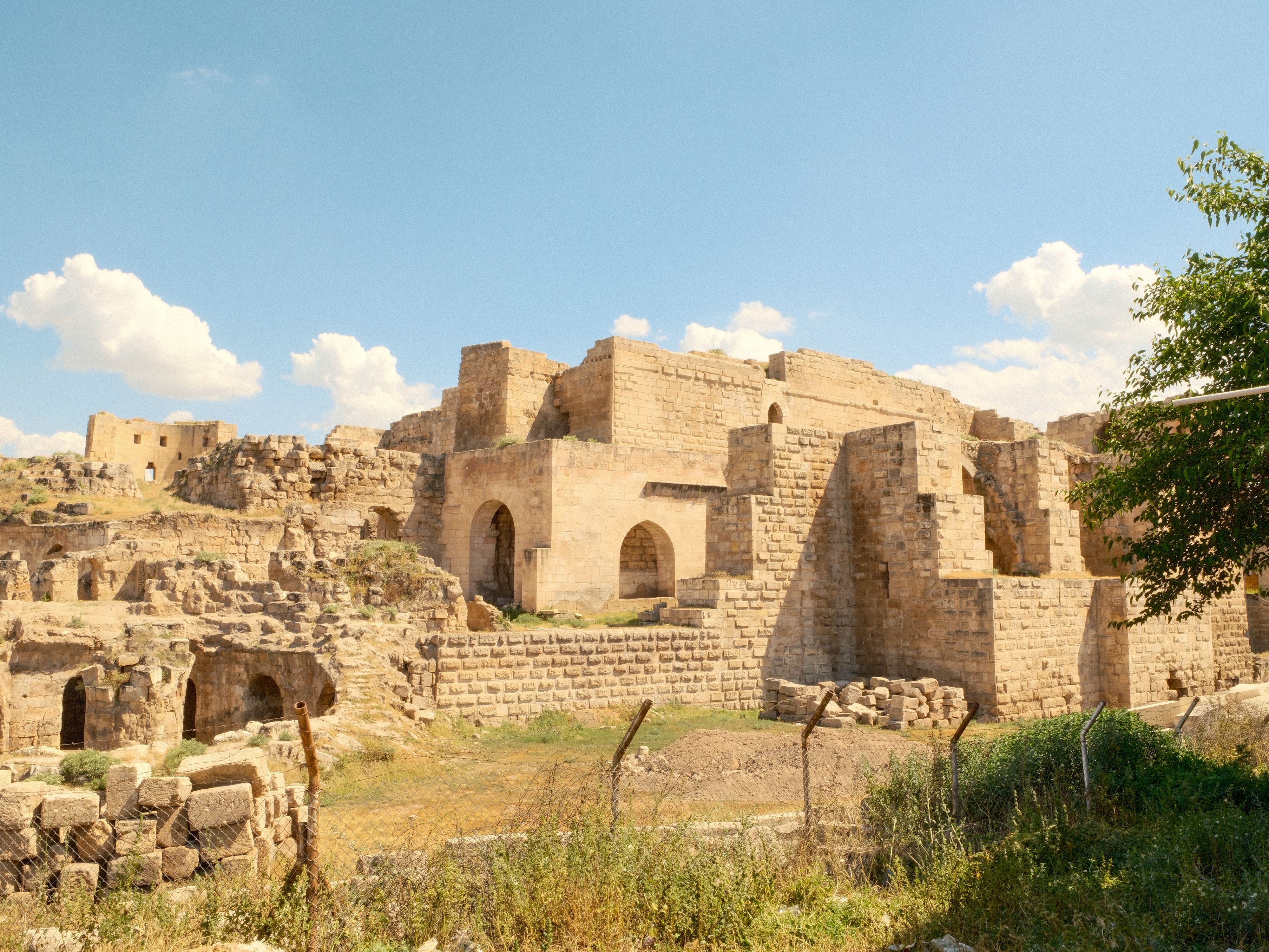
Şanlıurfa Castle
The citadel on the cliff above the pools, with two Corinthian columns on its summit that the city calls the throne of Nimrod. The stair up from the gardens is long and the view takes in the whole old city.
-
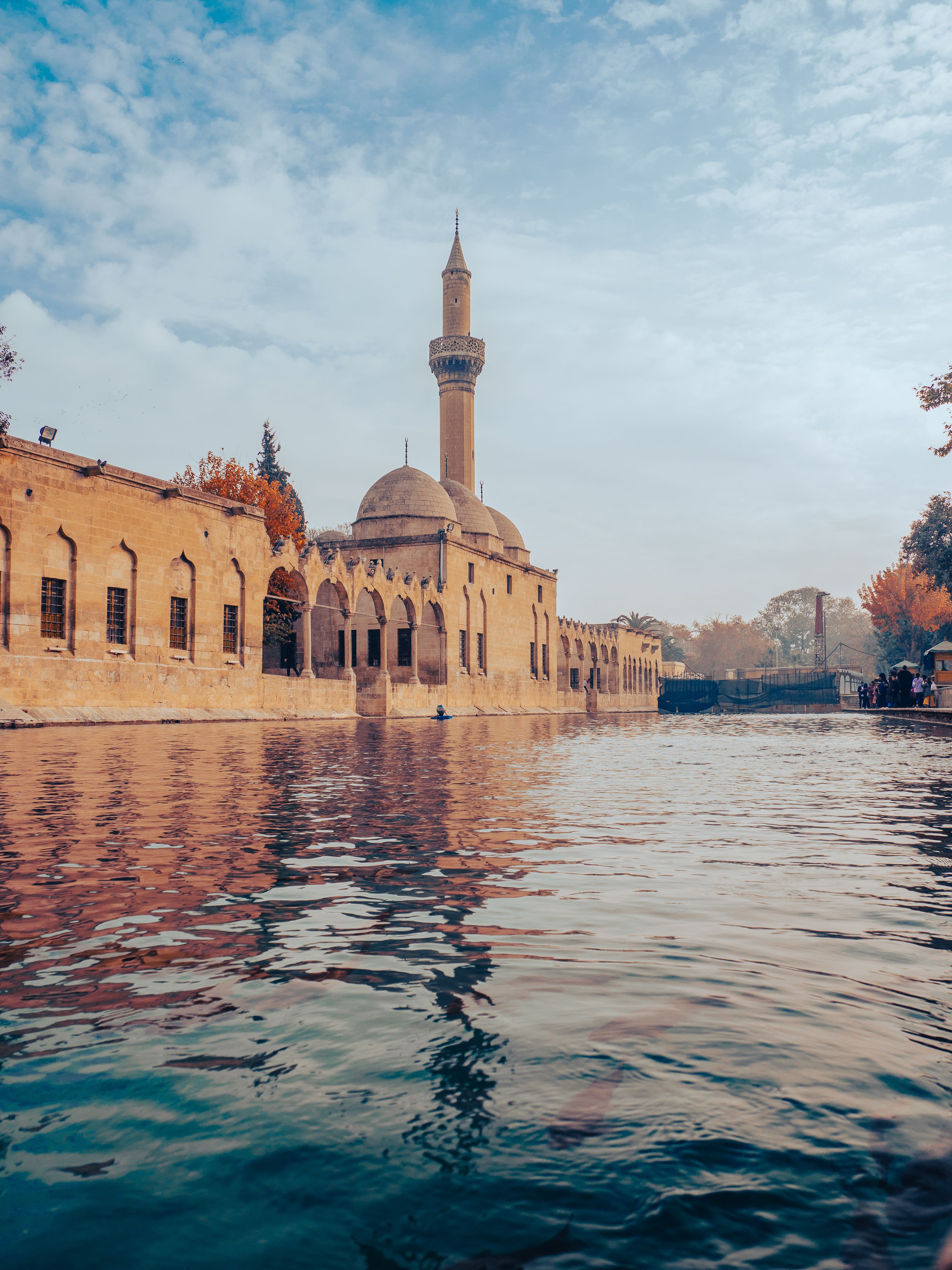
Balıklıgöl
Two pools of sacred carp below the citadel, on the spot where tradition says Abraham was thrown into a fire that turned to water. The gardens around them are the city's centre of gravity and the fish are never taken.
-
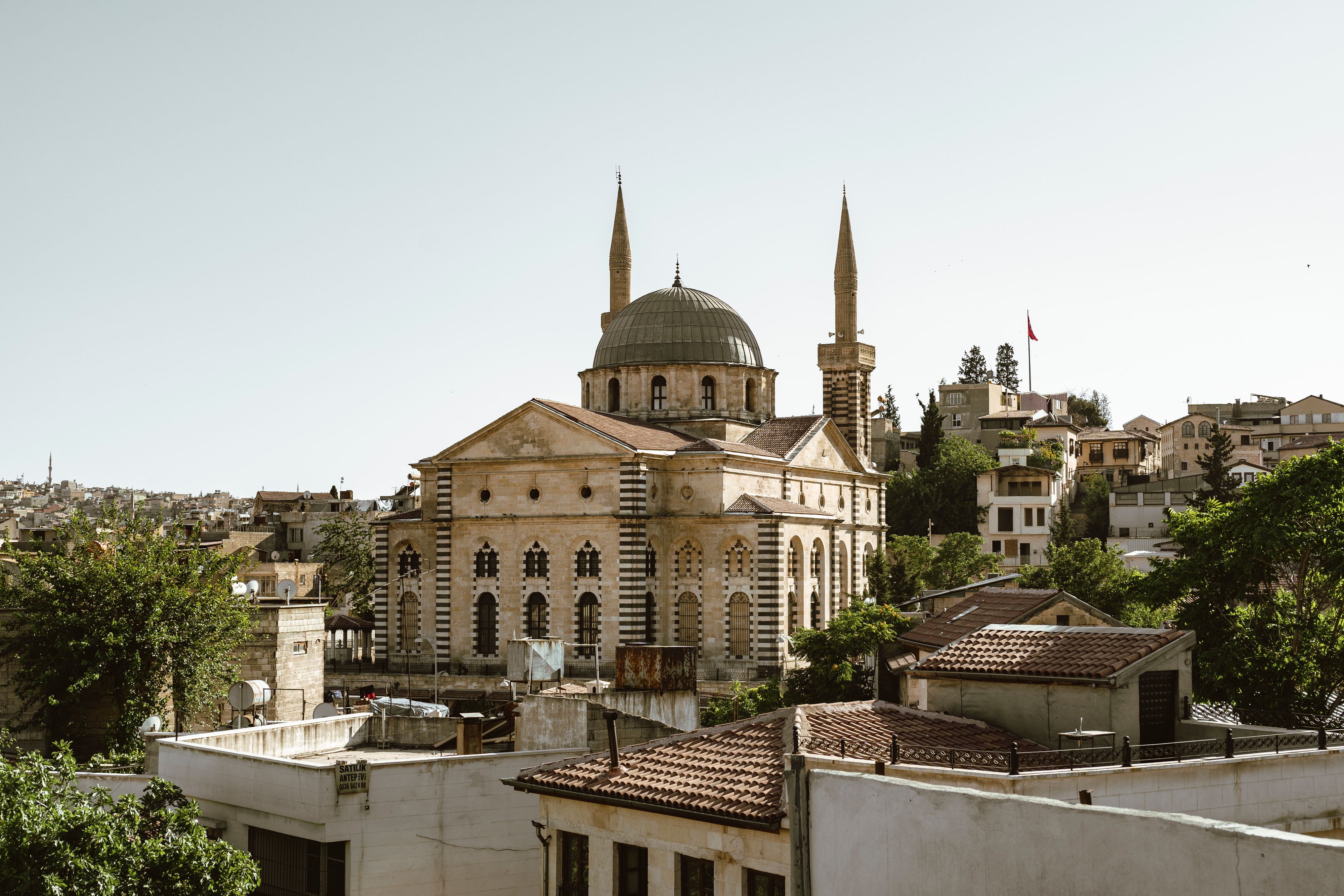
Grand Mosque of Urfa
A twelfth-century mosque on Divan Caddesi, probably built over an earlier church, perhaps one dedicated to Saint Stephen, with ancient masonry still visible in the courtyard walls. The courtyard is raised, unusually long and shaded by cypresses over two small cemeteries, and the minaret at its northeast corner carries a later cube with a clock on each side.
-
Gümrük Han
The sixteenth-century caravanserai at the heart of the covered market, its courtyard given over to low stools and coffee under a mulberry tree. The lanes around it still trade in copper, felt, isot pepper and sheepskin, and it sits in the same old quarter as the Balıklıgöl pools and the Grand Mosque, so the three fit into one morning.
-
Karahan Tepe
A Neolithic site of the same culture as Göbekli Tepe, roughly 46 kilometres east of it near Yağmurlu, where T-topped pillars were carved straight out of the bedrock and a chamber holds a human head cut from the rock wall. Excavation restarted in 2018, and only about five per cent of the site had been opened by 2023, so it is quieter and less finished than its neighbour.
-
Şanlıurfa Archaeology and Mosaic Museum
The largest archaeological museum building in Turkey, opened in 2015, whose first hall holds the Urfa Man of about 9000 BC and pillars lifted from the Neolithic sites of the plain. The mosaic hall next door covers the Roman villa found at Haleplibahçe.