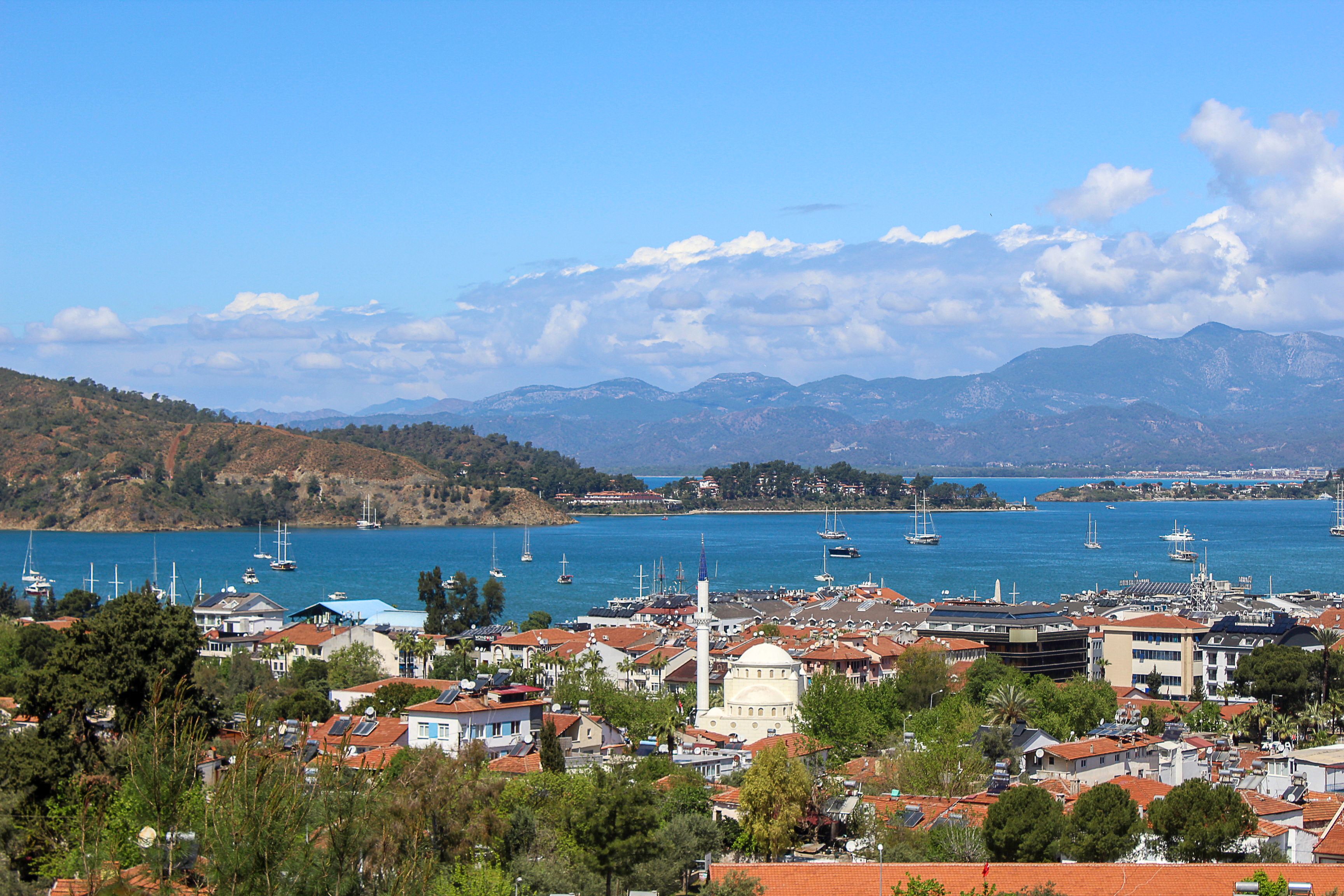
Things to do
11-
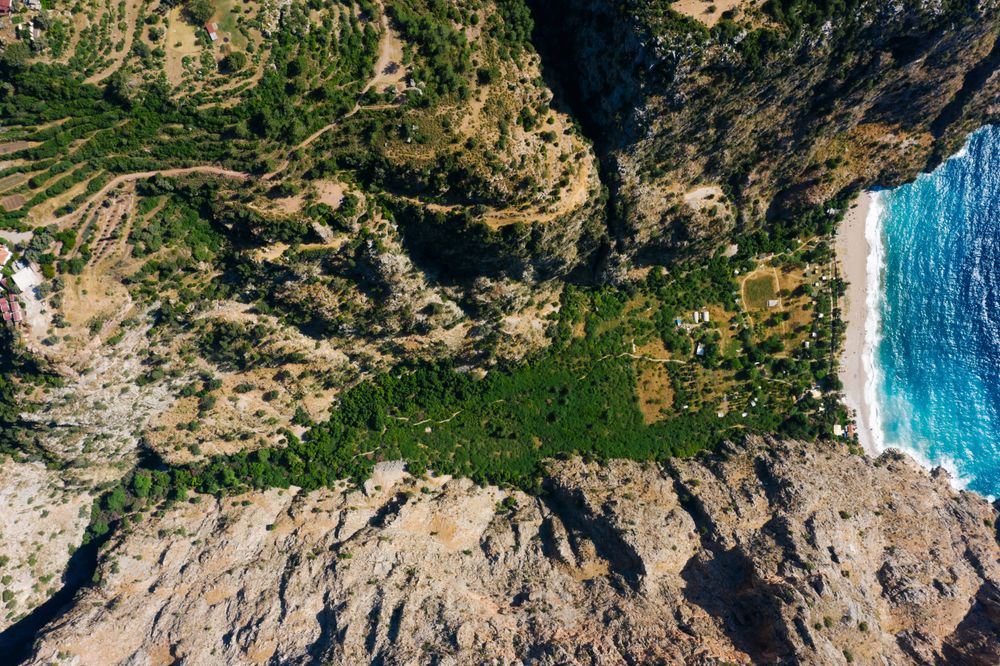
Butterfly Valley
A beach at the mouth of a steep gorge, reached only by boat from Ölüdeniz or by a marked scramble down from the village of Faralya. The valley lies on the opening stretch of the Lycian Way, and Faralya above it has guesthouses for walkers. The Jersey tiger moths it is named for are there in high summer.
-
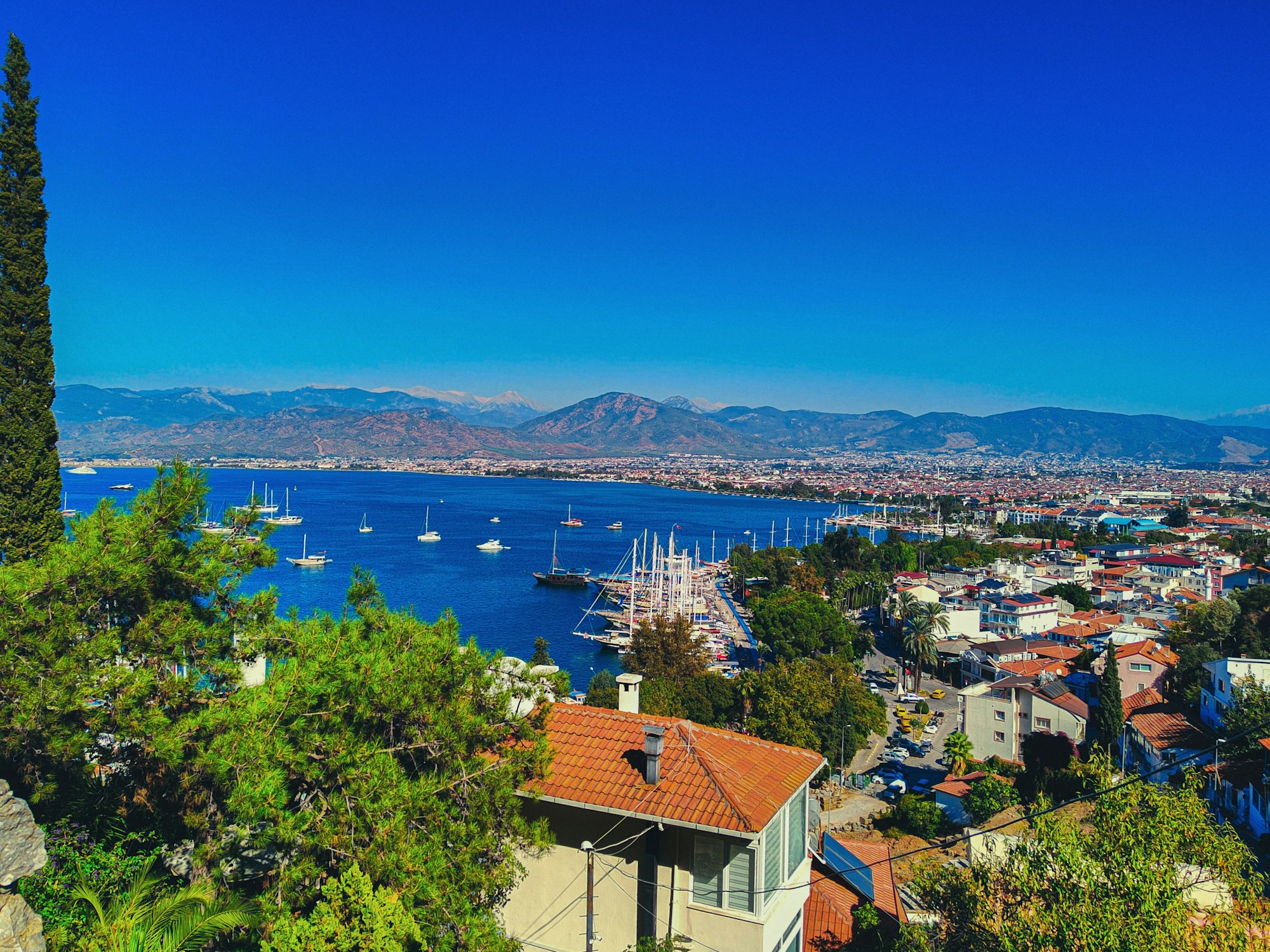
Fethiye Museum
The town museum, holding finds from Telmessos and the surrounding districts in two main halls arranged in chronological order, most of them ceramics. The inscriptions are the reason to come: a bilingual Carian and Greek text and the trilingual Letoon stele in Lycian, Greek and Aramaic that helped decipher the Lycian language. It also manages Kayaköy, Gemiler Island and the Tomb of Amyntas.
-
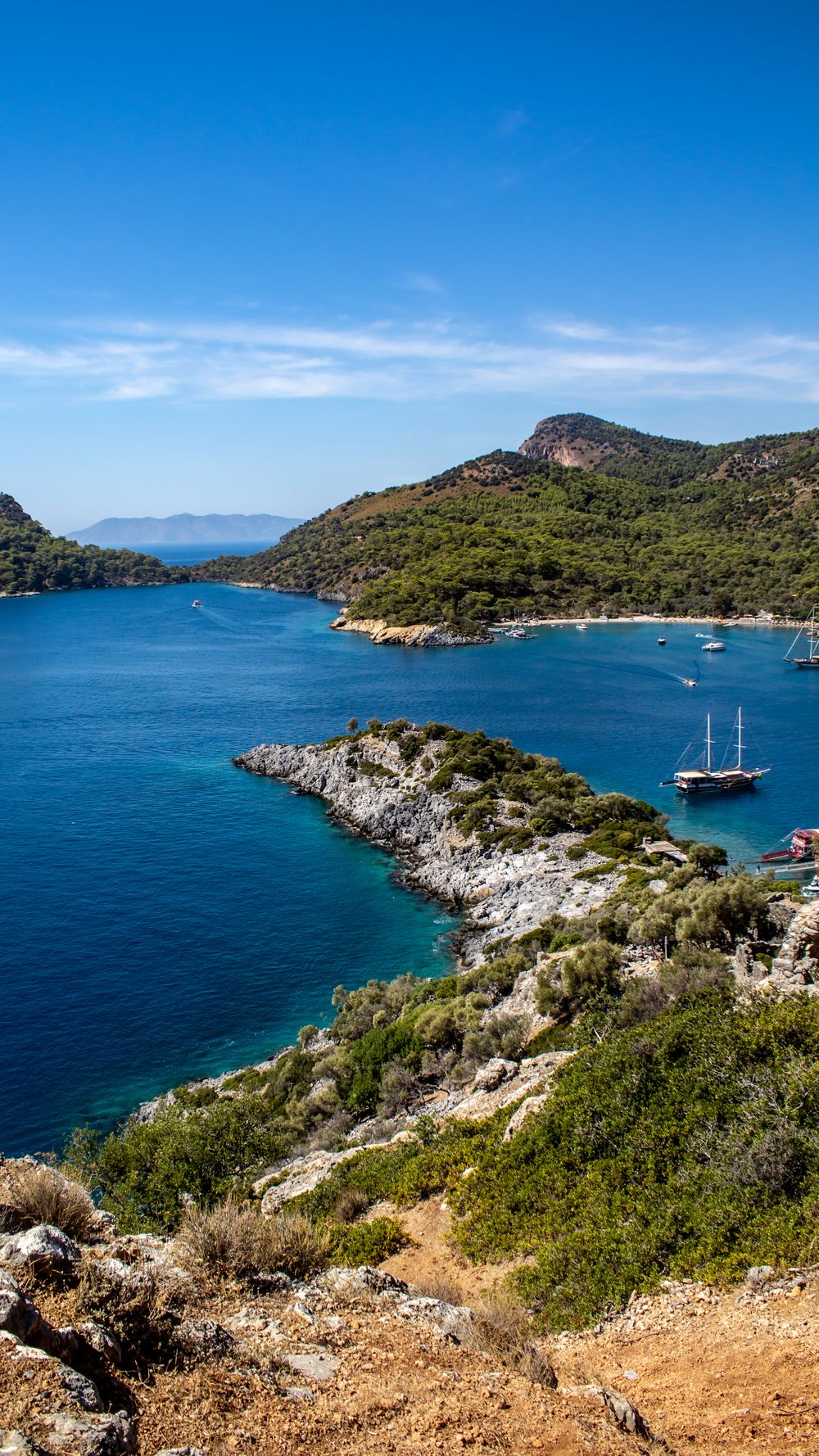
Gemiler Island
An island off the Kayaköy coast carrying the ruins of five Byzantine churches and a 350-metre processional way, with one church cut from the rock at its highest point. Archaeologists think it held the original tomb of Saint Nicholas. Gulets from Ölüdeniz anchor in its crescent bay, a makeshift restaurant serves the boats in summer, and landing to see the ruins is ticketed.
-
Lycian Way
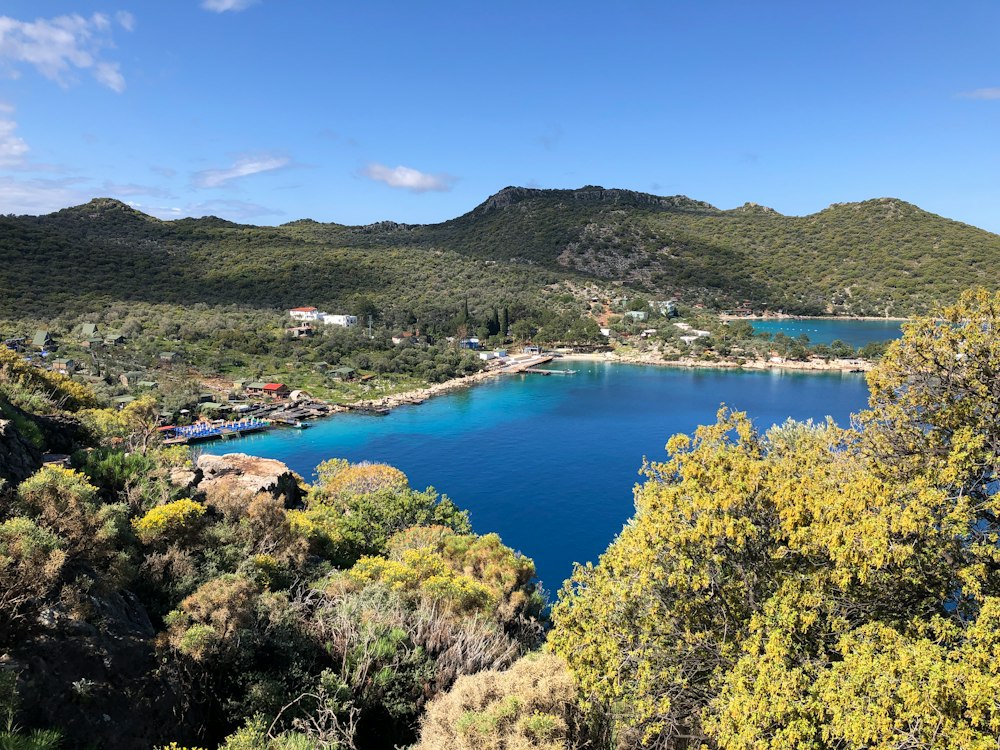
A waymarked long-distance path of about 760 kilometres from Hisarönü, just outside Fethiye, to Konyaaltı near Antalya, opened in 1999 and marked with red and white stripes. Parts follow the routes the Lycians used between their cities and ports. Walkers mostly take it in sections, in spring when the hills are in flower or in October and November as the heat eases.
-
Ölüdeniz
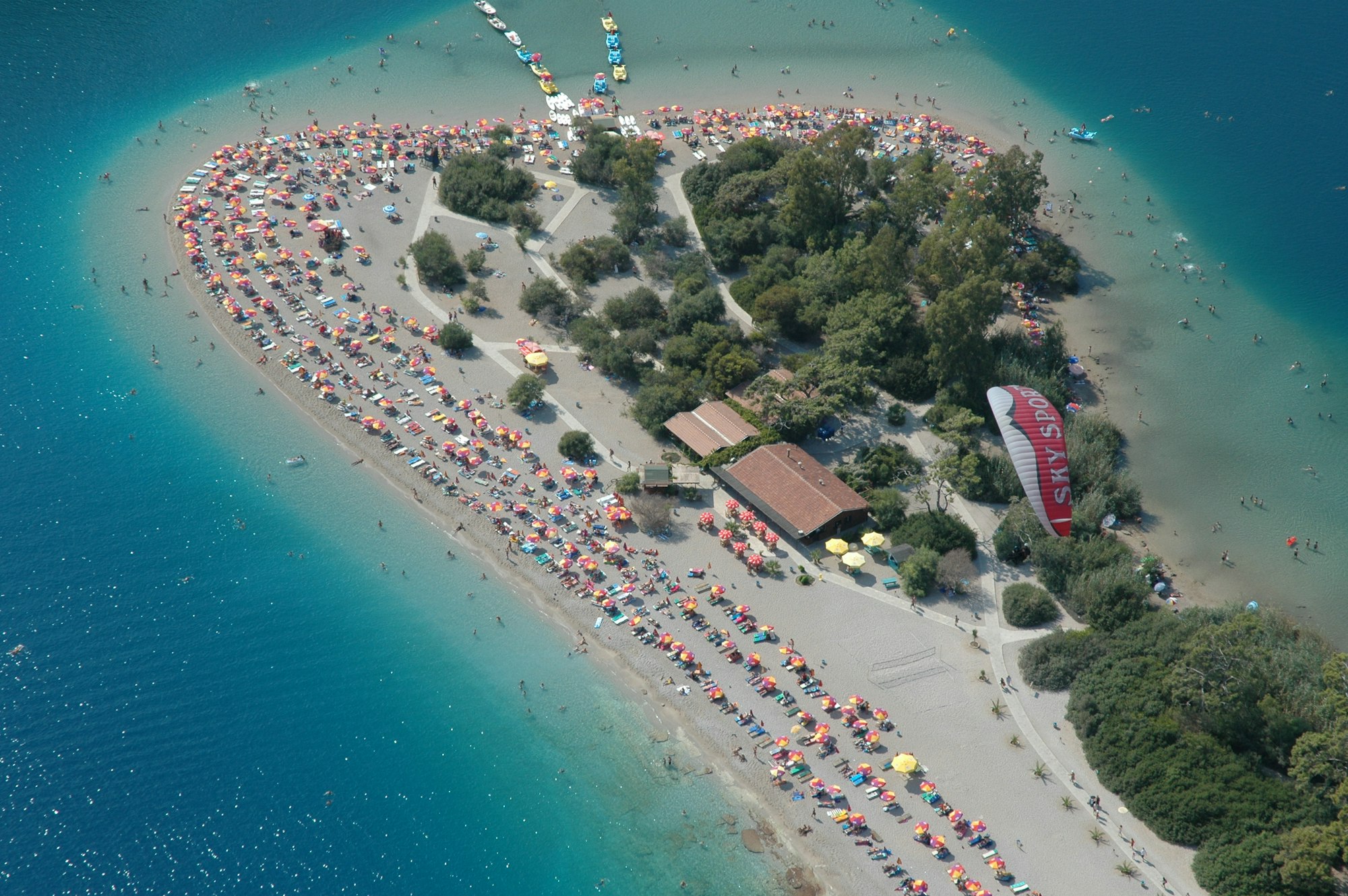
A pebble beach and a still turquoise lagoon under Babadağ, fourteen kilometres south of Fethiye. The lagoon is a protected nature reserve where building is prohibited, and the beach is ticketed at the gate and holds a Blue Flag. Paragliders launched from the mountain land on the sand through the afternoon, and dive schools in the bay run courses and snorkelling trips.
-
Tomb of Amyntas
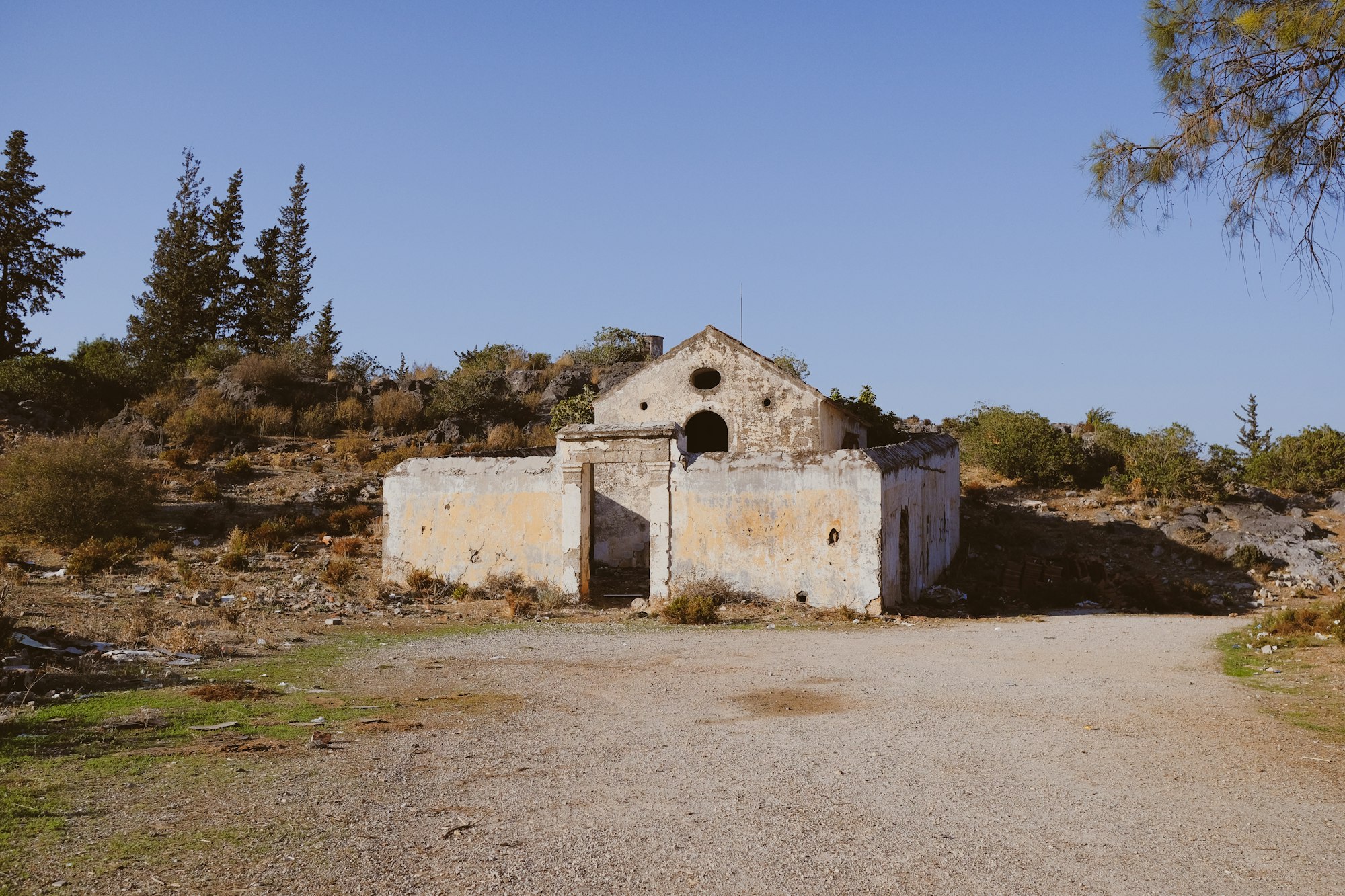
A Lycian rock tomb of about 350 BC cut as a temple front into the cliff above the town, reached by a long stair. The other tombs around it are unlit and the view over the harbour is best at dusk.
-
Babadağ
The mountain above Ölüdeniz, whose launch platforms at 1,700 and 1,800 metres make it one of the busiest tandem paragliding sites in the world. Its height, stable weather and the chance to fly out over the sea also draw pilots for safety training and acrobatics. A cable car runs to the top for anyone not flying down.
-
Hillside Beach Club
A resort that fills its own bay at Kalemya, five kilometres from Fethiye, with three beaches and no road access to any of them except the hotel's own. It has been running since 1989, and most of its bookings come from families who return to it year after year.
-
Kabak Bay
A steep valley of pine and treehouse camps south of Faralya, ending in a shingle beach reached by a rough track or a forty-minute walk down. The Lycian Way passes through on its stage from Faralya, and the bay has lodging for walkers breaking the route. From here the path continues along the coast towards Alınca.
-
Kayaköy
Livissi, the Greek hillside town eight kilometres south of Fethiye, emptied of its Greek residents by 1923 and never resettled. Around five hundred roofless stone houses and two Orthodox churches remain, protected as a museum village, with a seventeenth-century fountain in the middle. It is a ticketed site, takes about two hours on foot and is shared with tour groups and roadside stalls.
-
Saklıkent Gorge
A canyon 300 metres deep and 18 kilometres long below the Taurus Mountains, 50 kilometres from Fethiye, entered on a boardwalk pinned to the rock and then waded upstream through cold water. It is open all year, but the deeper sections are walkable only once the snowmelt has passed, from about April. The full length needs canyoning equipment, and adventure centres run guided trips.