Things to do
9-
Mardin Grand Mosque
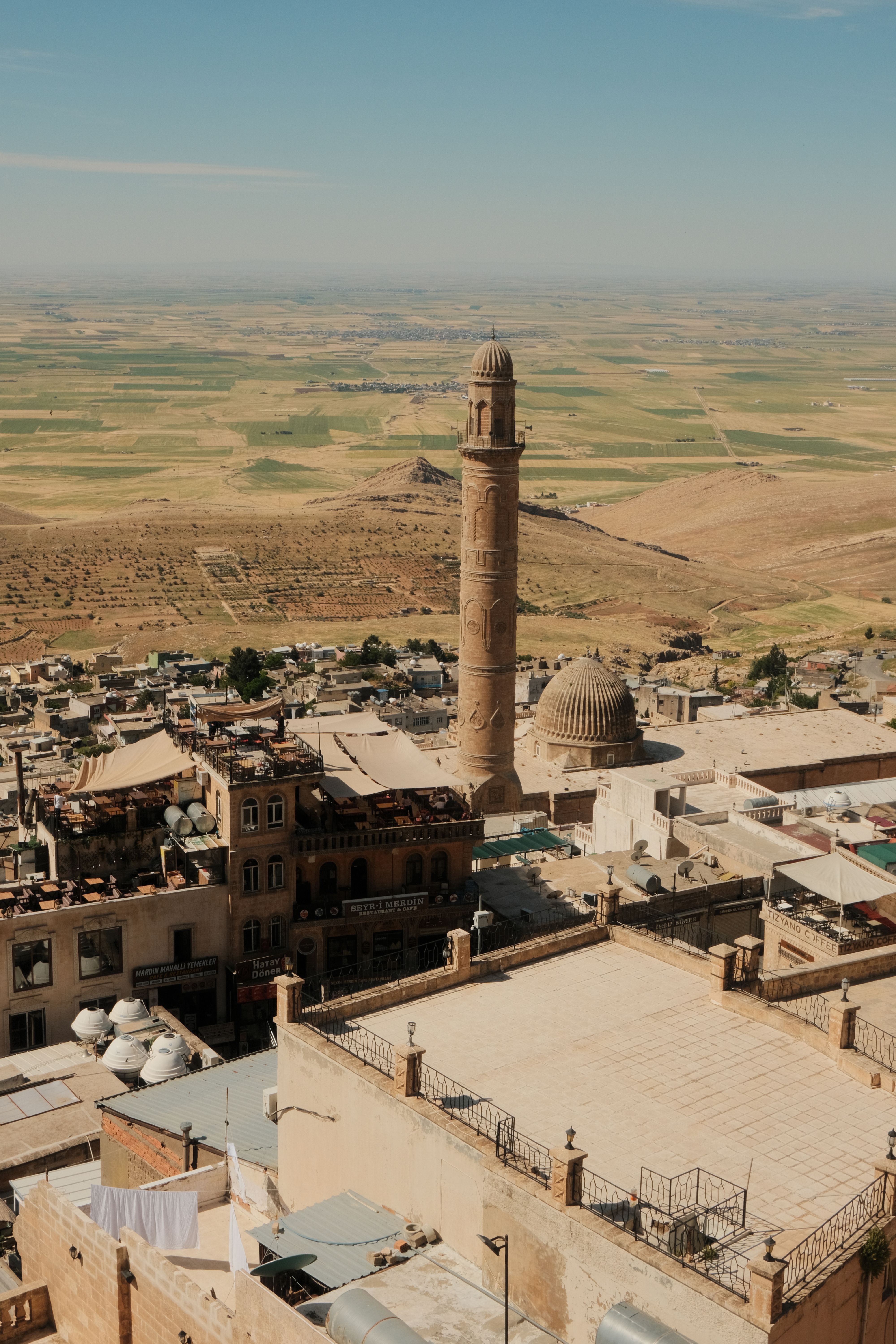
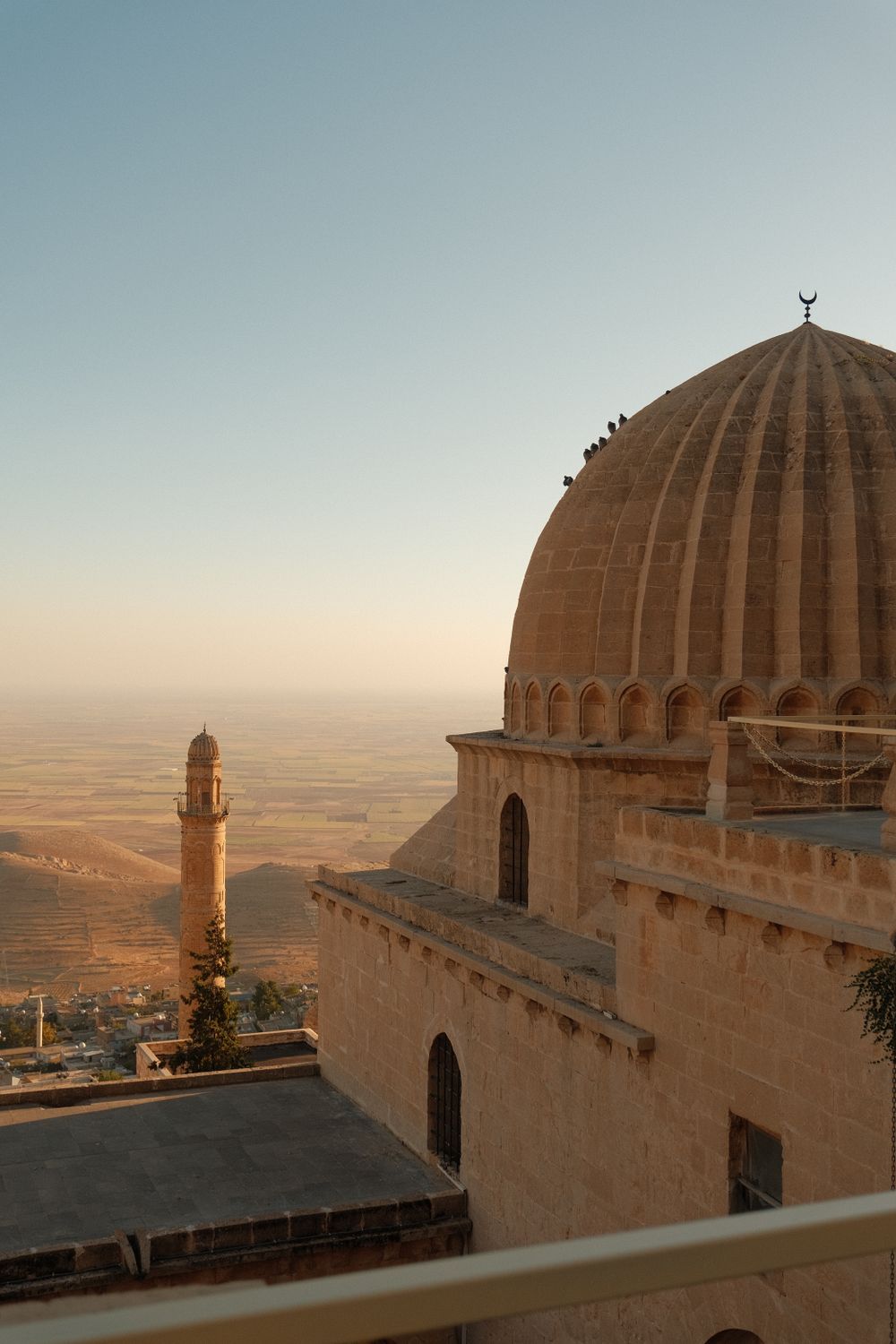
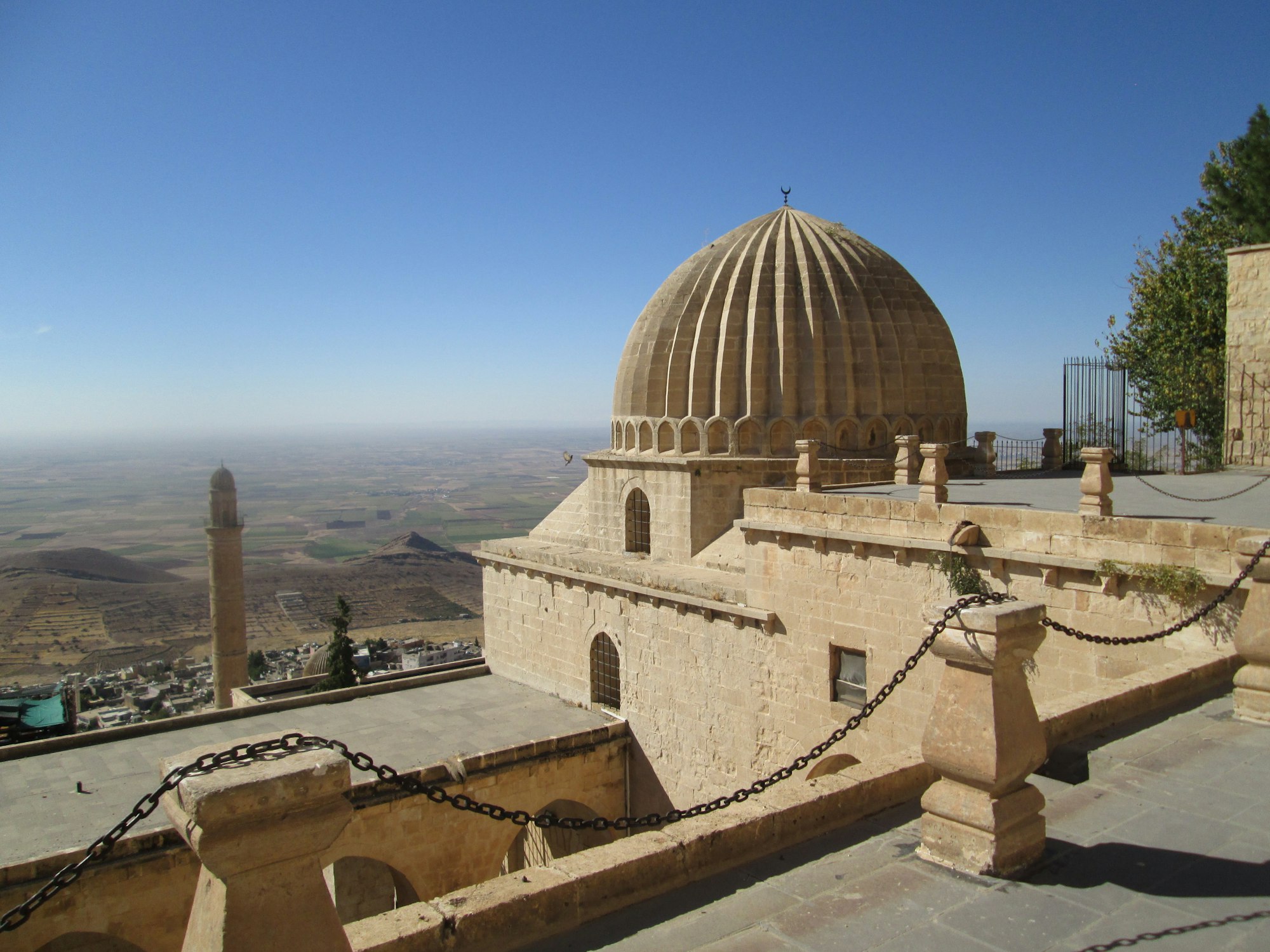
Mardin's twelfth-century Artuqid mosque sits at the heart of the old city, its courtyard reached through the bazaar and its segmented dome the model for later domes in the town. The minaret, the town's landmark, is a rebuild of 1889 on a square base, and the mosque itself was damaged in Timur's invasion and repaired many times since.
-
Mardin Museum
The former Syriac Catholic patriarchate, a carved stone mansion of 1895 beside the Meryem Ana Church, opened as the city museum in 2000. Its rooms hold the archaeology of the plain from the Bronze Age to the Ottomans, including cylinder seals, figurines and coins, and an ethnographic section of Mardin silver jewellery, old dress and coffee sets.
-
Midyat
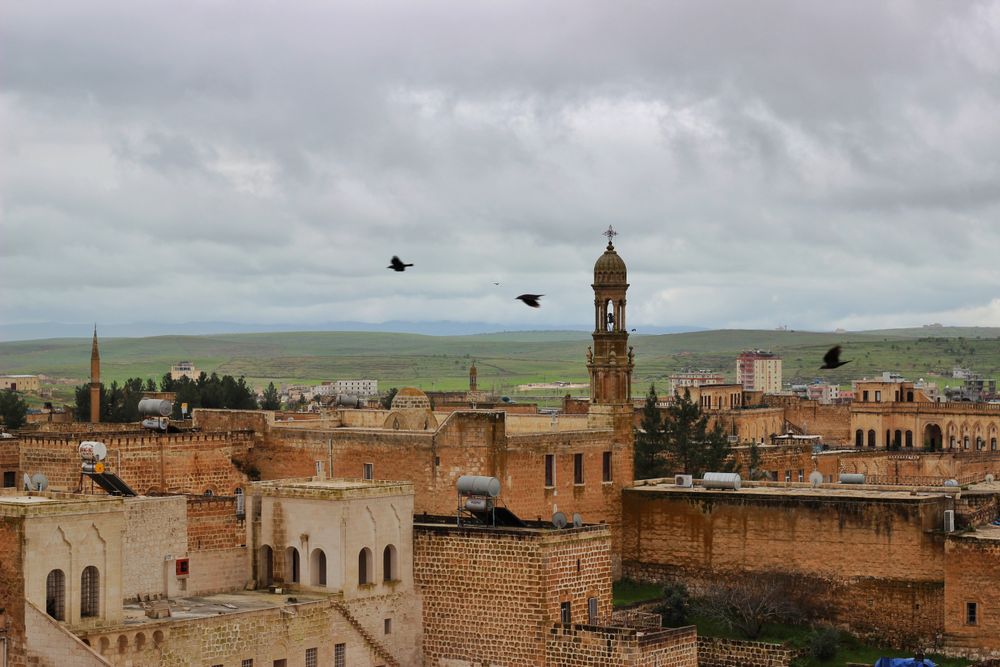
Carved limestone houses and churches fill the old town of Midyat, long counted the capital of the Tur Abdin, the heartland of Syriac Christianity. Silversmiths in the old quarter still work telkari, the local filigree, and the restored Guest House mansion draws visitors in its own right. The town is about an hour east of Mardin.
-
Dara
A Roman frontier fortress city founded in 505 against the Persians, spread over three hills about 18 km west of Nusaybin, with a vast rock-cut cistern, a necropolis of chambered tombs and the remains of an early arch dam built to hold back floods. All of it sits inside a working village, where excavation is still under way.
-
Erdoba Evleri
Three restored stone konaks in the old city joined by terraces, with vaulted rooms and a view over the plain from most of them. The terraces follow the stepped plan of old Mardin houses, which drop down the slope around courtyards with carved stone framing the windows. It is the largest of the historic house hotels in Mardin.
-
Kasımiye Medrese
A college begun by the Artuqid ruler İsa Bey and completed in 1445 under the Akkoyunlu, built around a courtyard pool whose water enters through a spout standing for birth and drains through a narrow slit standing for death. Classrooms with deliberately low doors surround the pool, and the building stands apart on the slope southwest of the old centre.
-
Mor Gabriel Monastery
Founded in 397 in the Tur Abdin hills near Midyat, one of the oldest continuously working Christian monasteries anywhere, with sixth-century mosaics in the sanctuary of the main church that show no human or animal figure. A metropolitan bishop lives here with a small community of monks and nuns, and boys board to study Syriac.
-
Mor Hananyo Monastery
Deyrulzafaran, the Saffron Monastery, is a Syriac Orthodox house founded in 493 on the site of a sun temple, about 3 km east of Mardin, its walls a pale yellow stone. It was the seat of the patriarchate for nearly eight centuries and still keeps a working community, with services sung in Aramaic and visits guided.
-
Zinciriye Medrese
Also called the Sultan İsa Medrese, an Artuqid theological college completed in 1385 on the upper terrace of the old city, with a carved portal, two domes and a courtyard that looks straight out over the plain. The roof is open to walk on and looks across the stepped rooftops and minarets of the old town below.