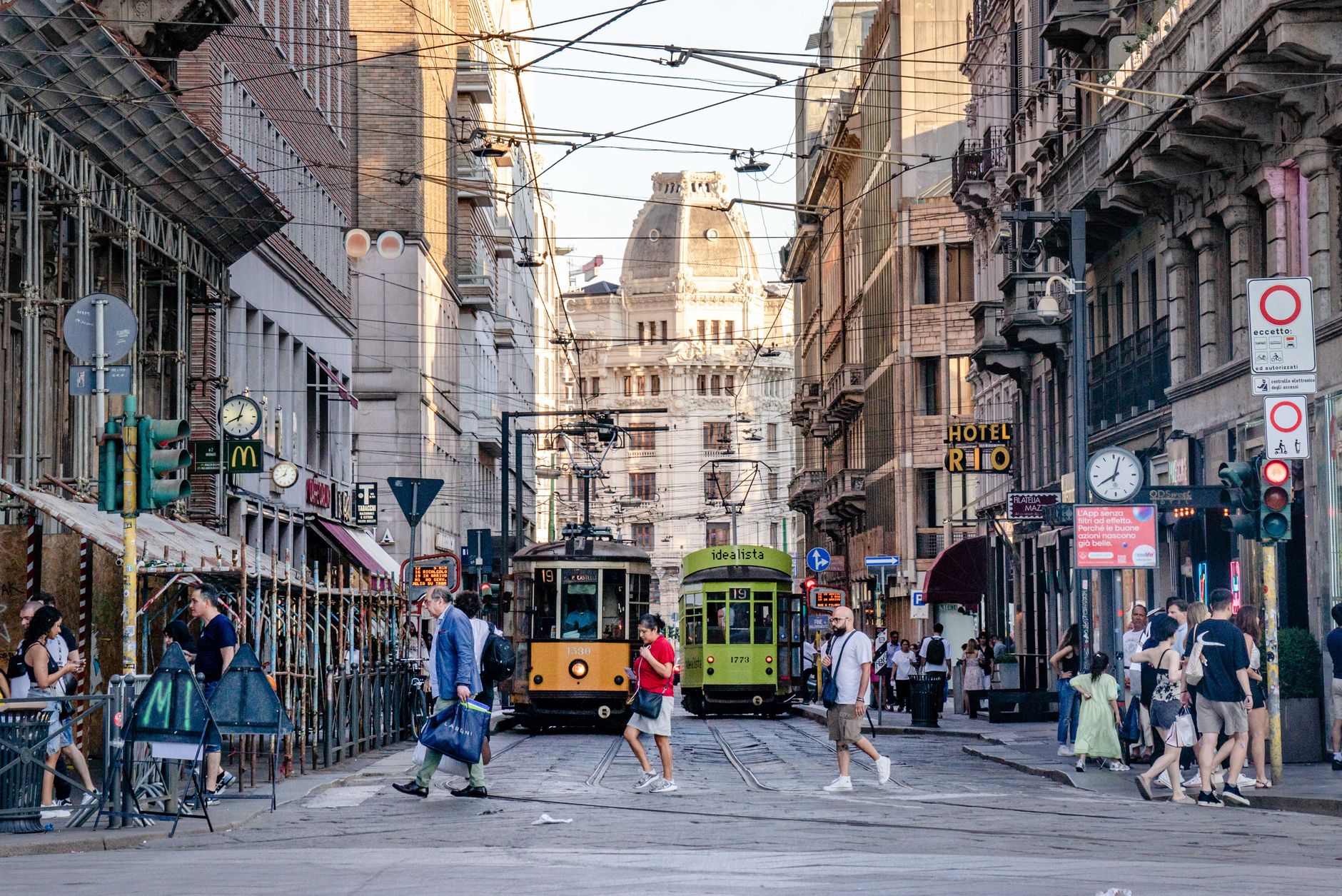
Brera
The old artists' quarter behind La Scala, cobbled lanes of galleries, antique shops and the Pinacoteca in its academy palace. It is the prettiest part of the centre to stay in and the one that feels least like a business city.
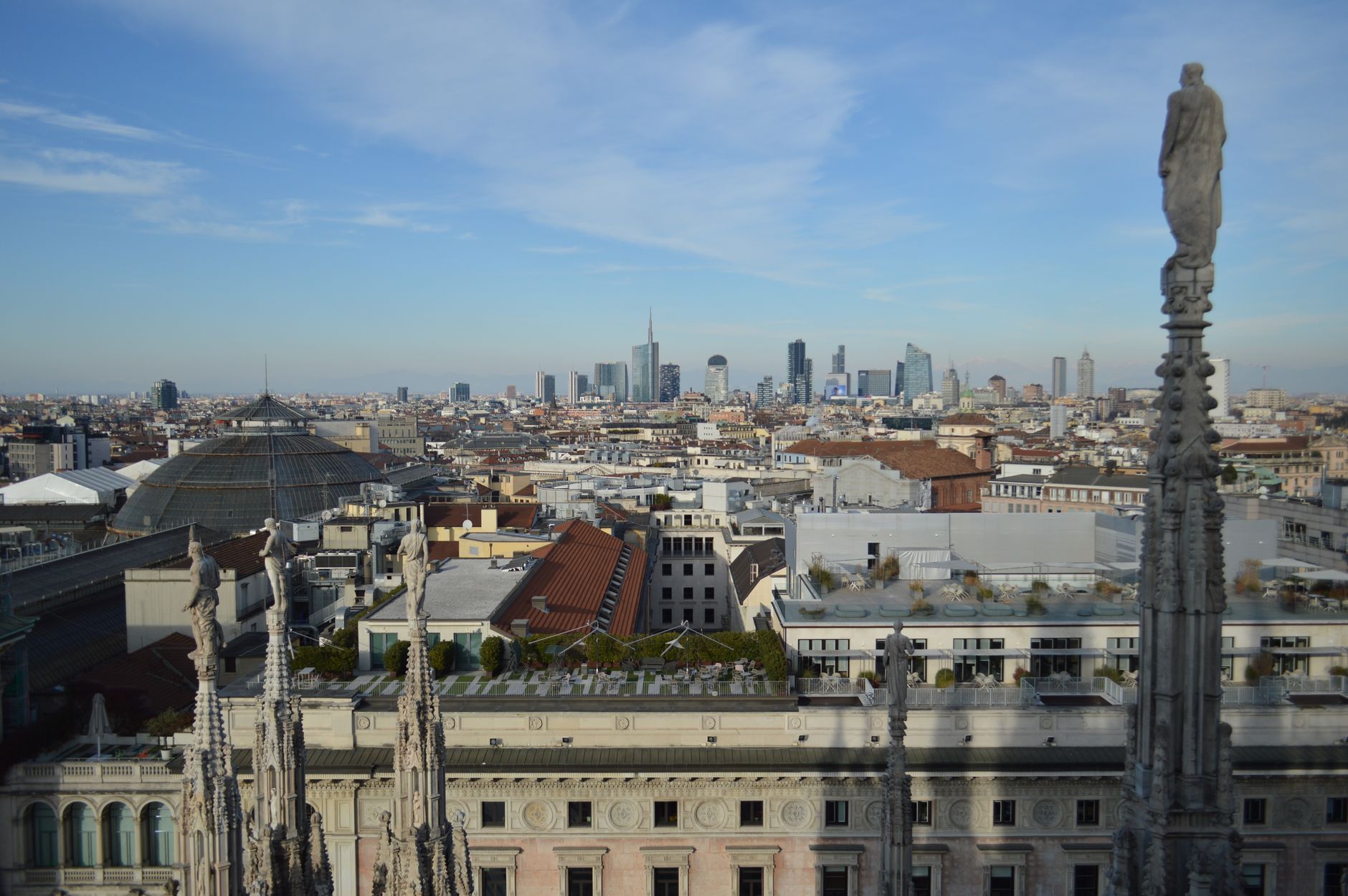
Give Milan two days for the Duomo roof, the Last Supper and the aperitivo, then use it as your base for the lakes.
View on globeNinety seconds on Milan
Two days for the city, three with a lake. The Duomo, the Last Supper and Brera fill one; Navigli and the towers at Porta Nuova fill another. Como is under an hour by train from Centrale, which makes the third day easy.
Four Metro lines, all taking a bank card at the gate. The old yellow trams reach the streets the Metro misses, and everything inside the ring road is an easy walk.
April to June, September and October. August closes half the city. Fashion and design weeks fill every hotel and push rates to their annual peak, so check the calendar before you book.
Italian, with more English than anywhere else in the country. It is spoken in the offices, the shops and the restaurants. A hundred kilometres out of the city in any direction, that is no longer true.
Euros, and cards for very nearly all of it. Learn the aperitivo: in the early evening one drink comes with a buffet, and in Milan that can be your dinner.
Malpensa MXP, Linate LIN and Bergamo BGY. Linate is the closest at 20 minutes on the M4 line. The Malpensa Express takes about 50 minutes to Centrale. Bergamo is the budget airport and is sold under Milan's name.
Milan is the city Italians work in, and it shows: the trams run to time, the shops open on Sundays and the aperitivo at six is a ritual rather than a treat.
The centre is a circle two kilometres across with the Duomo in the middle, and the three things a first visit needs sit inside it: the cathedral roof, the Brera picture gallery and the Last Supper, which has to be booked months out.
The new city is north of the centre, the Porta Nuova towers and the Isola murals behind them. The walk from Brera to the Bosco Verticale takes twenty minutes, from the old city to the new.
Milan is also the base for the lakes. Como and Maggiore are each under an hour from Centrale, and if Milan is your base, both work as day trips.
The old artists' quarter behind La Scala, cobbled lanes of galleries, antique shops and the Pinacoteca in its academy palace. It is the prettiest part of the centre to stay in and the one that feels least like a business city.
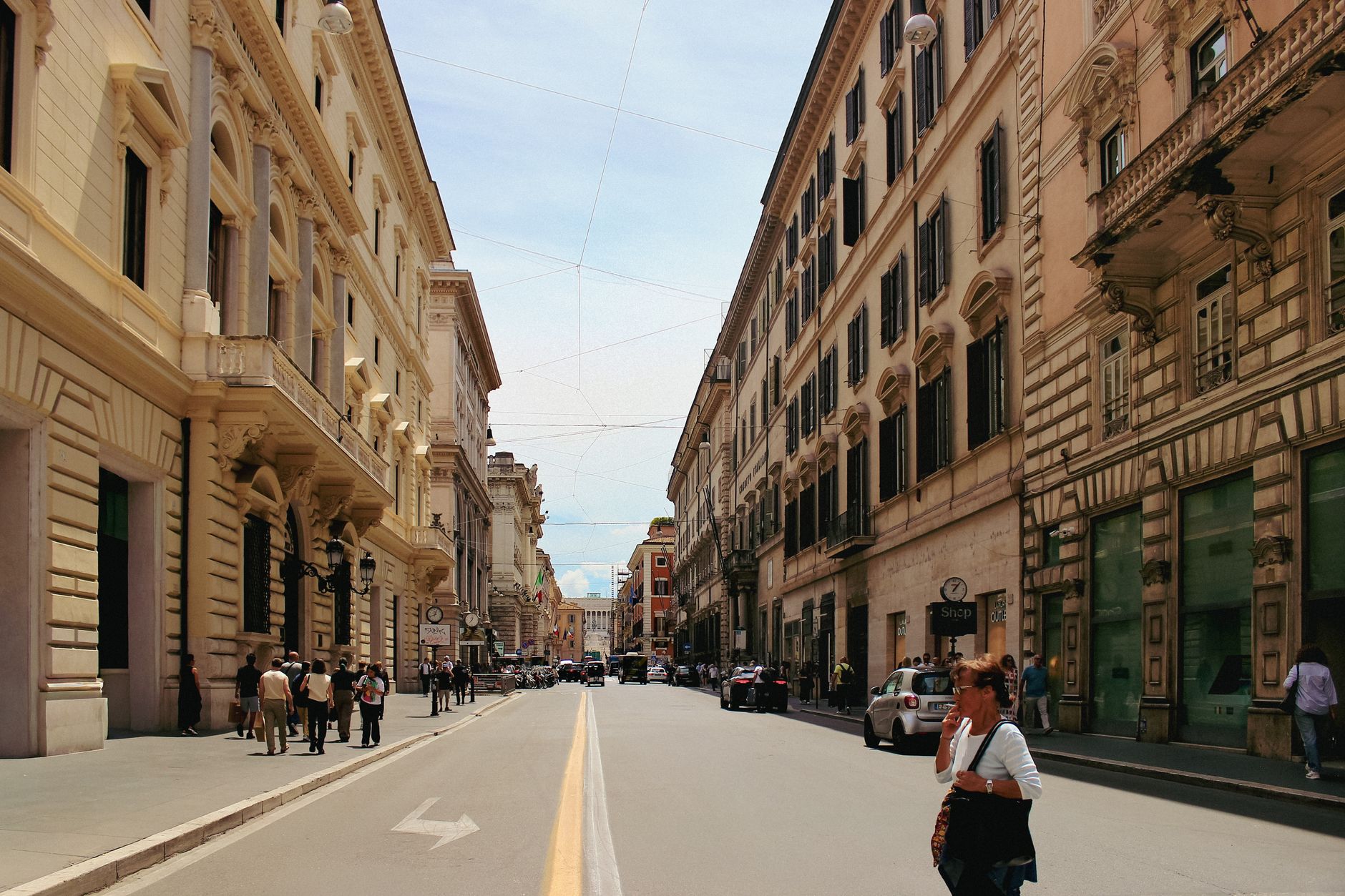
The four streets of the fashion houses, Montenapoleone, della Spiga, Sant'Andrea and Manzoni, five minutes from the Duomo. The palace hotels sit inside it, and the courtyards behind the shopfronts are the thing to look for.
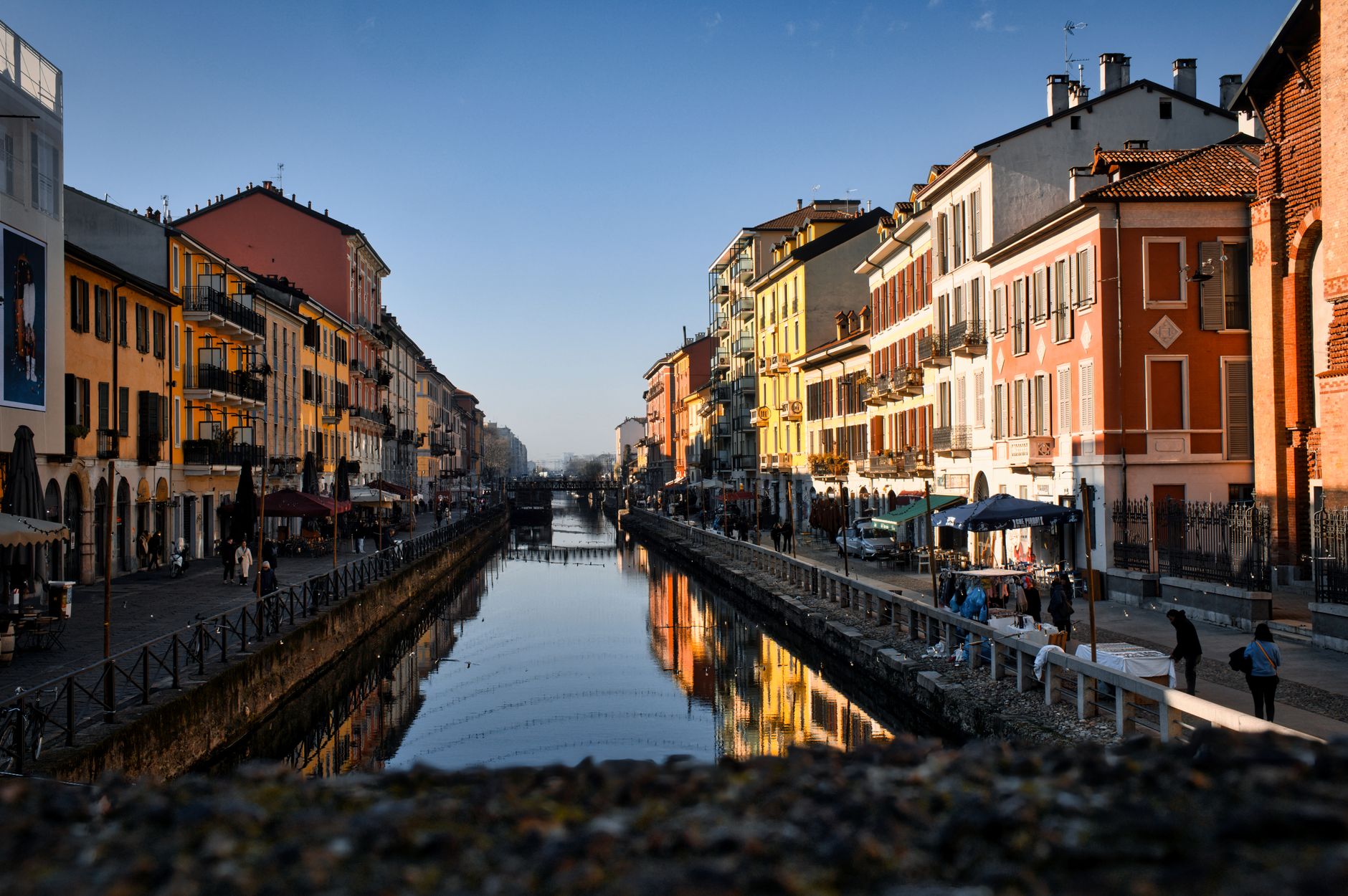
The two surviving canals of the network Leonardo worked on, lined with bars whose aperitivo hour fills the towpaths from six. The antiques market runs along the Naviglio Grande on the last Sunday of the month.
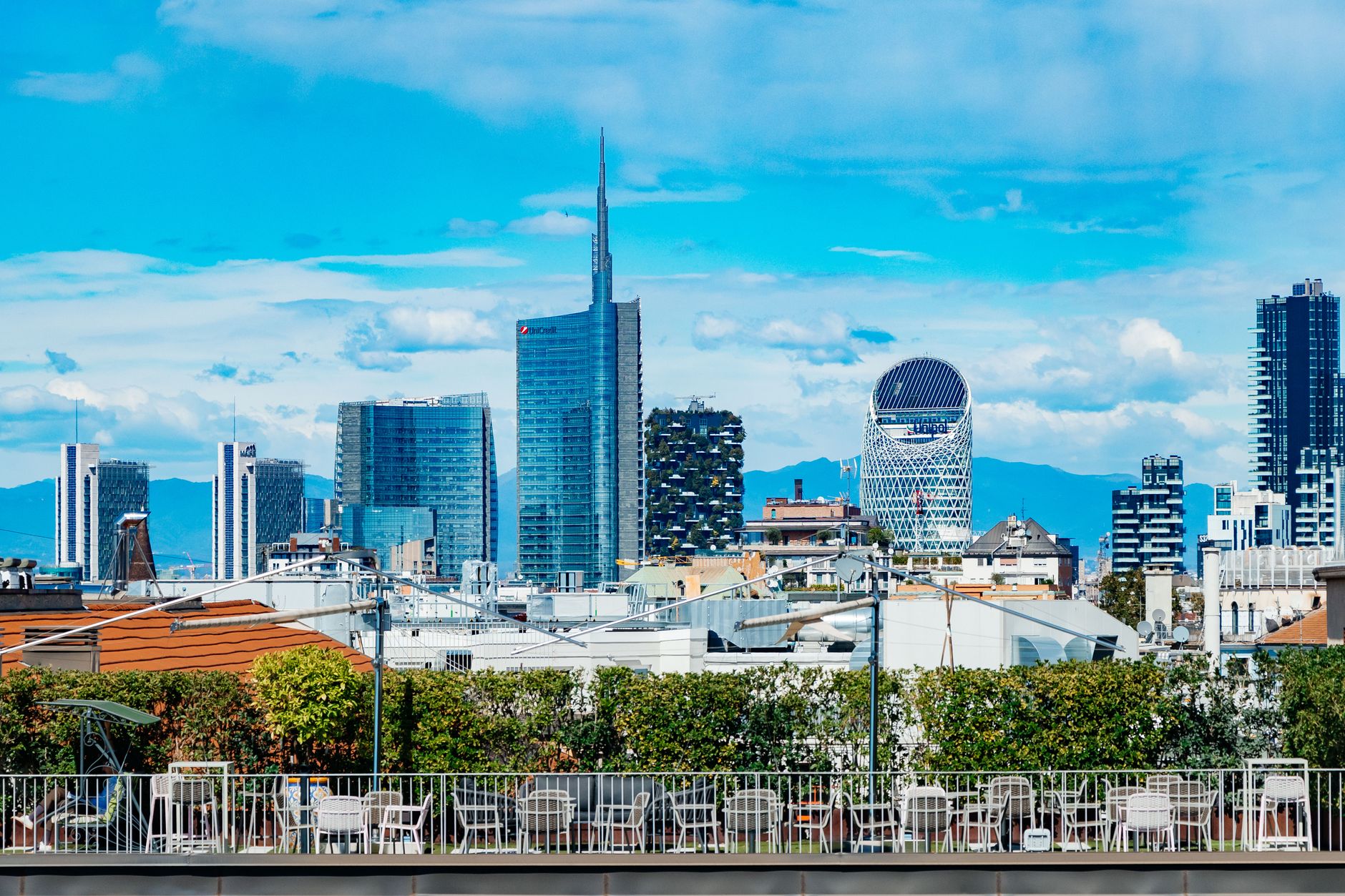
The glass district built over the old rail yards from 2009, with the Bosco Verticale towers, the Piazza Gae Aulenti and the Unicredit spire that changed the skyline. It is the Milan that looks like the future, ten minutes' walk from Brera.
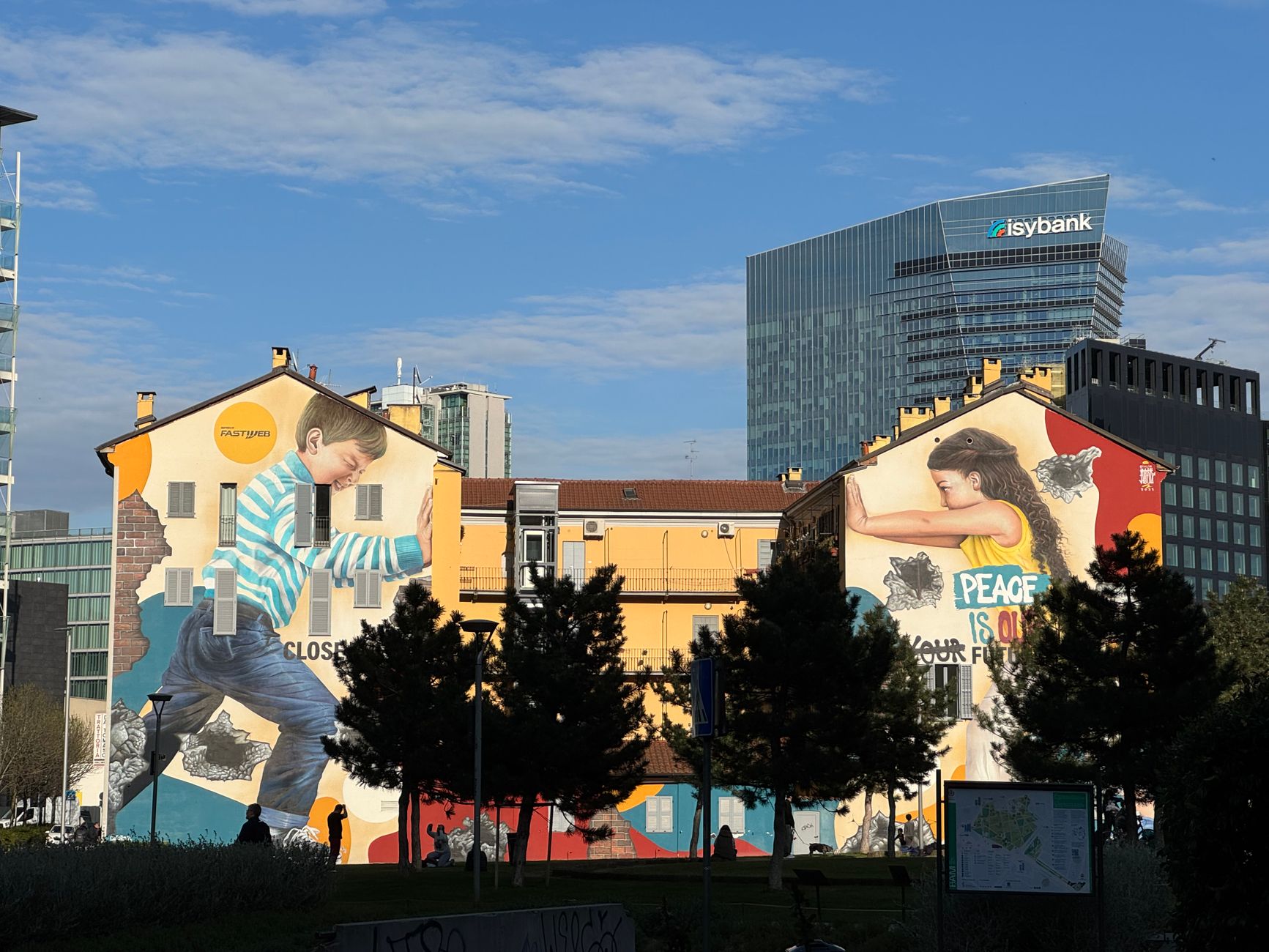
The working district cut off by the railway, now the city's creative quarter, with murals on the housing blocks, small restaurants and the Sunday market on Piazzale Lagosta. It sits directly behind the Porta Nuova towers.
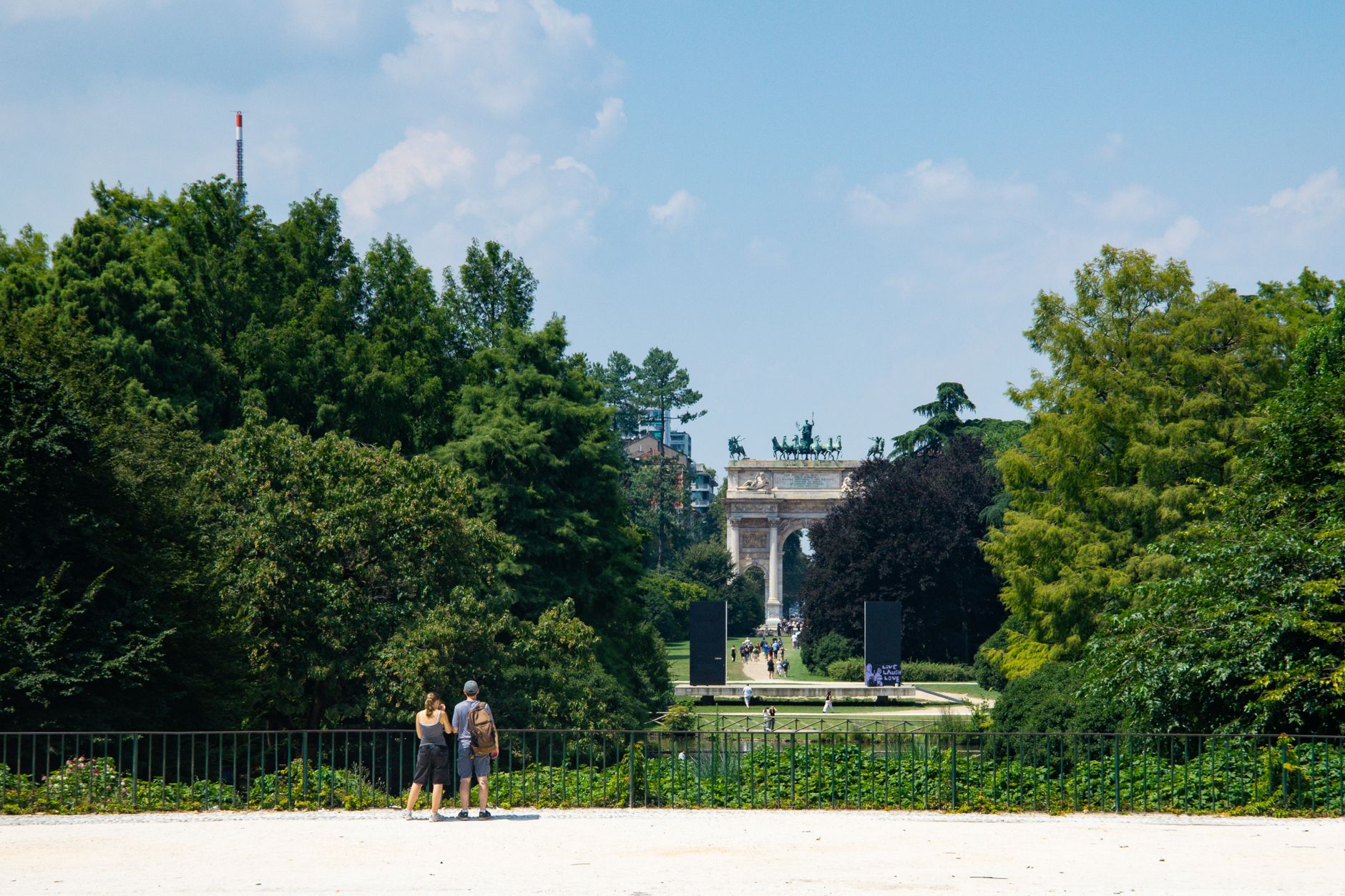
The park behind the Castello Sforzesco, with the Arco della Pace at its far end and the Chinatown of Via Paolo Sarpi beside it. It is the green side of the centre and the evening scene around the arch.
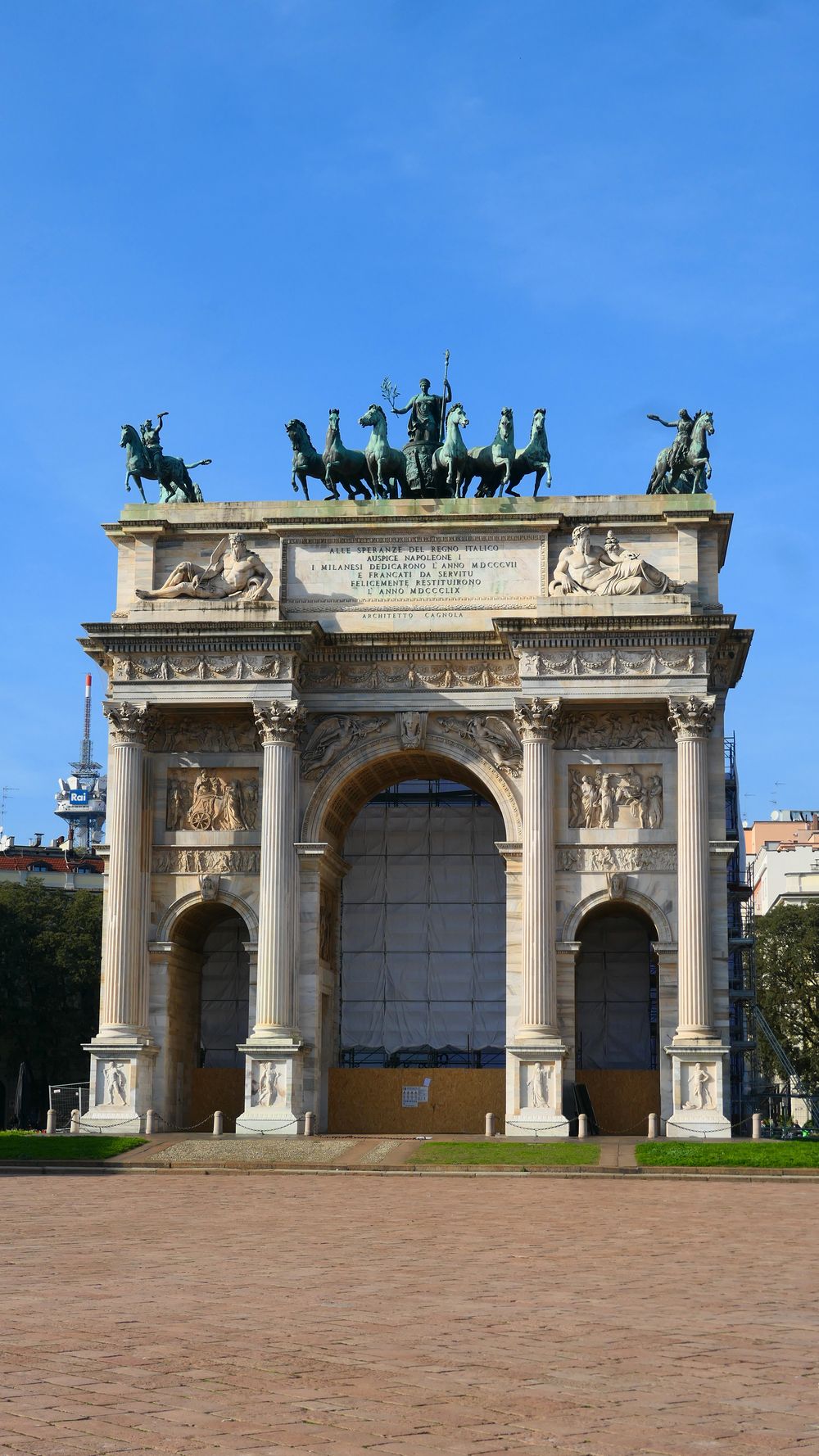
The neoclassical arch of 1838 at the end of Parco Sempione, begun for Napoleon and finished for the Austrians, with the bars of Corso Sempione behind it.
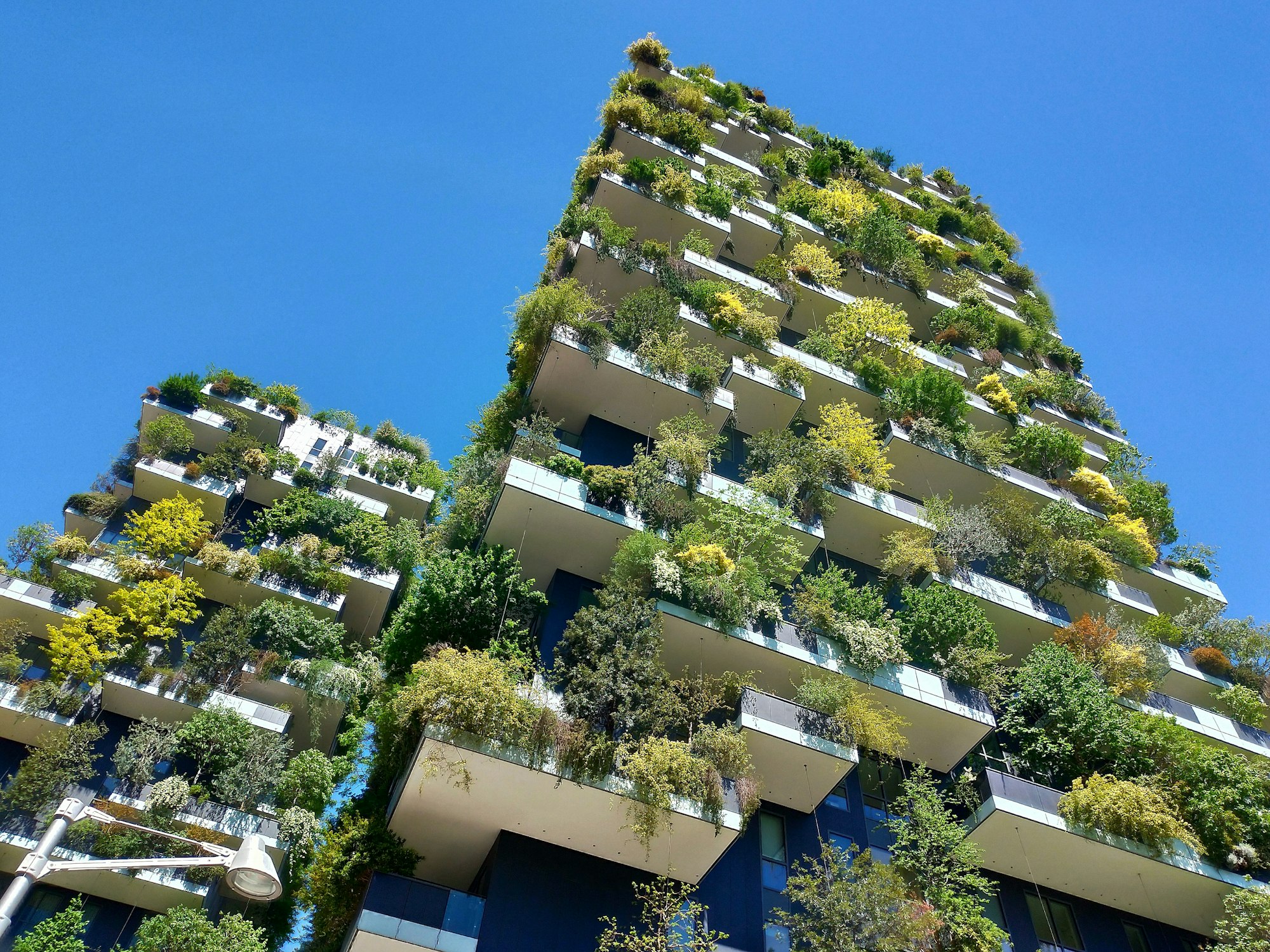
Stefano Boeri's two residential towers of 2014 planted with some 900 trees, the image of the new Milan. Seen from the Biblioteca degli Alberi park at their feet.
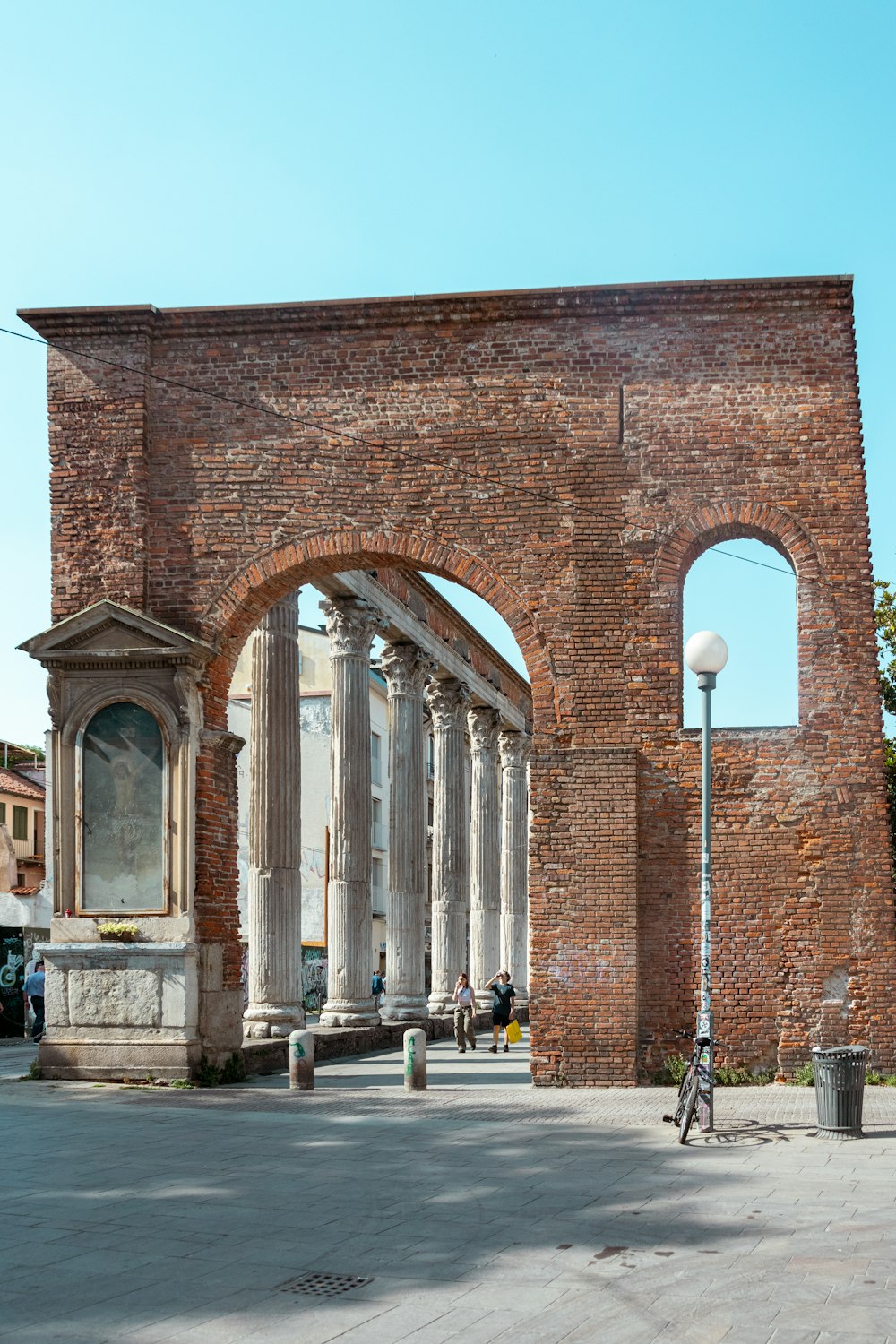
Sixteen Roman columns of the second or third century, moved here in the fourth to front the basilica of San Lorenzo Maggiore. The square they enclose is where Milan gathers on summer evenings, and it sits between the centre and the Navigli canals.
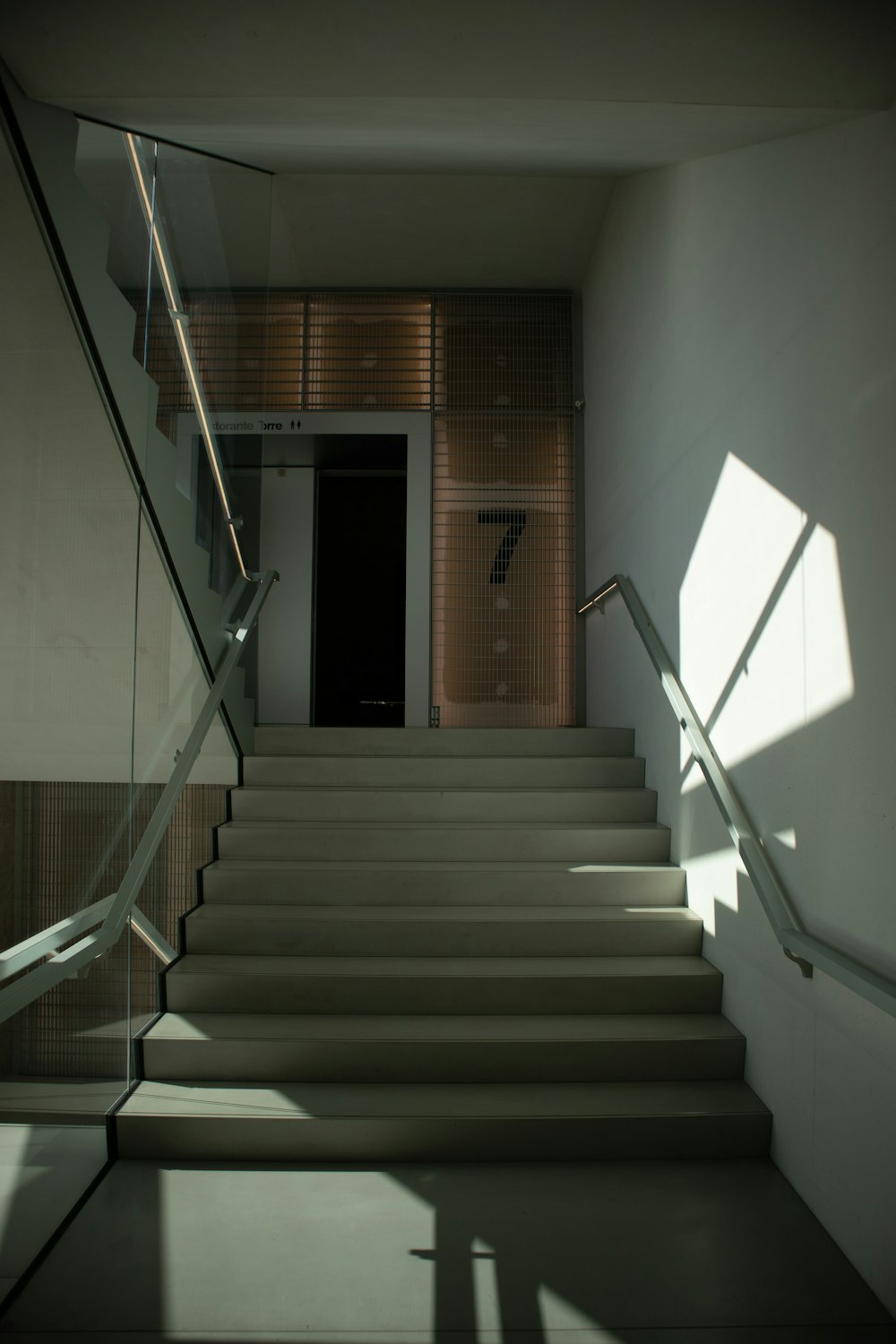
A former gin distillery reworked by Rem Koolhaas into a contemporary art complex, with one building finished in gold leaf. It sits south of the centre and takes a tram to reach. A second site in the centre holds the cinema and a smaller gallery.
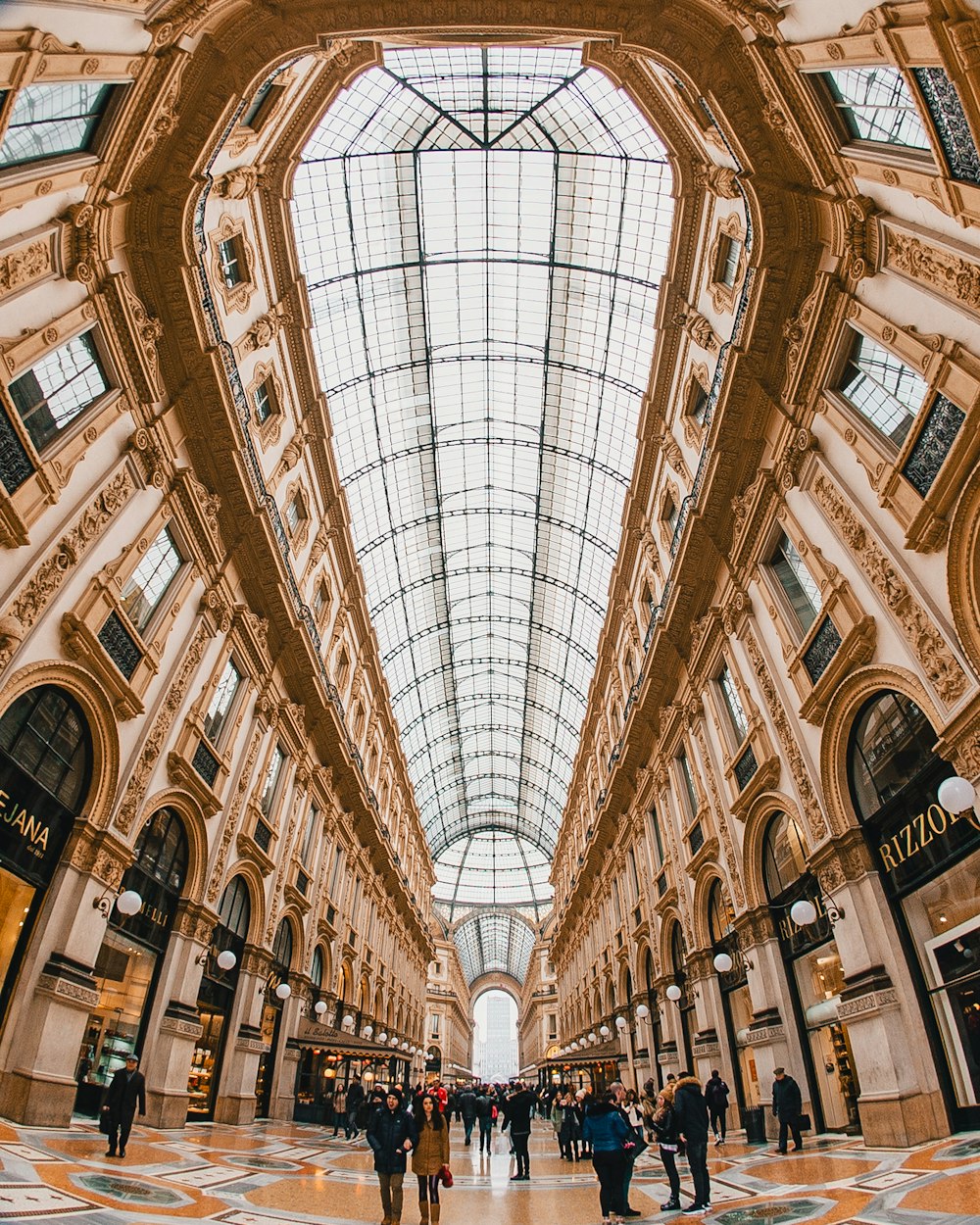
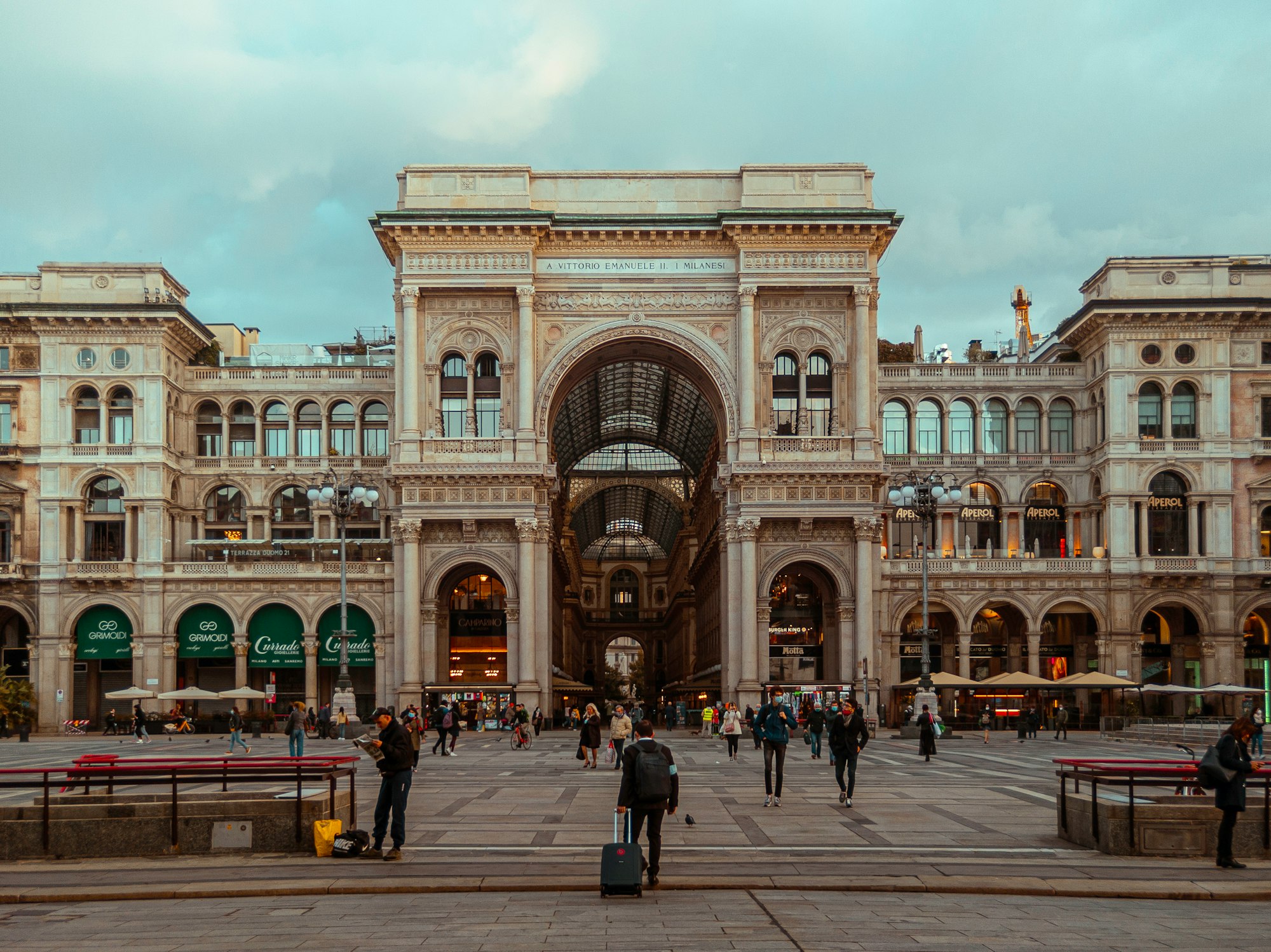
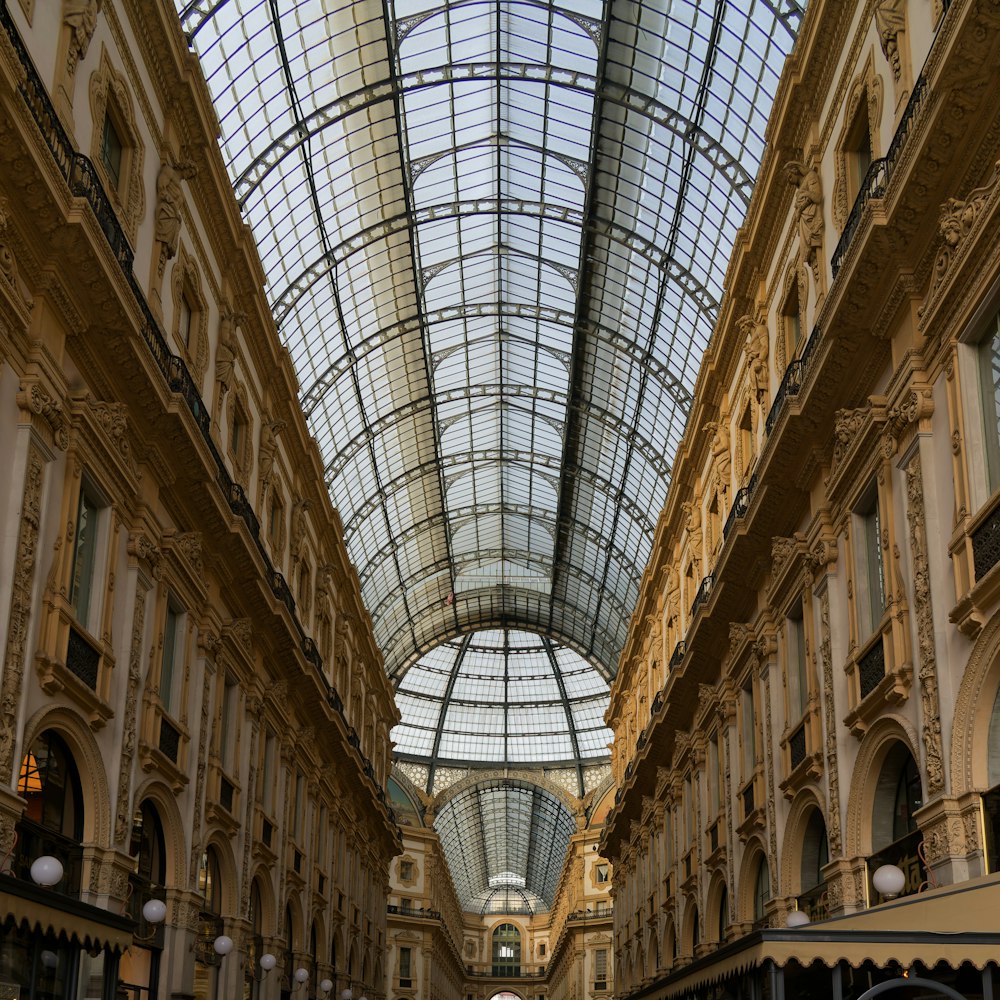
An 1877 shopping arcade under an iron and glass vault, linking the cathedral square to La Scala. It is the ancestor of every covered shopping street built since. It is open at all hours and is the shortest way between the two squares when it rains.
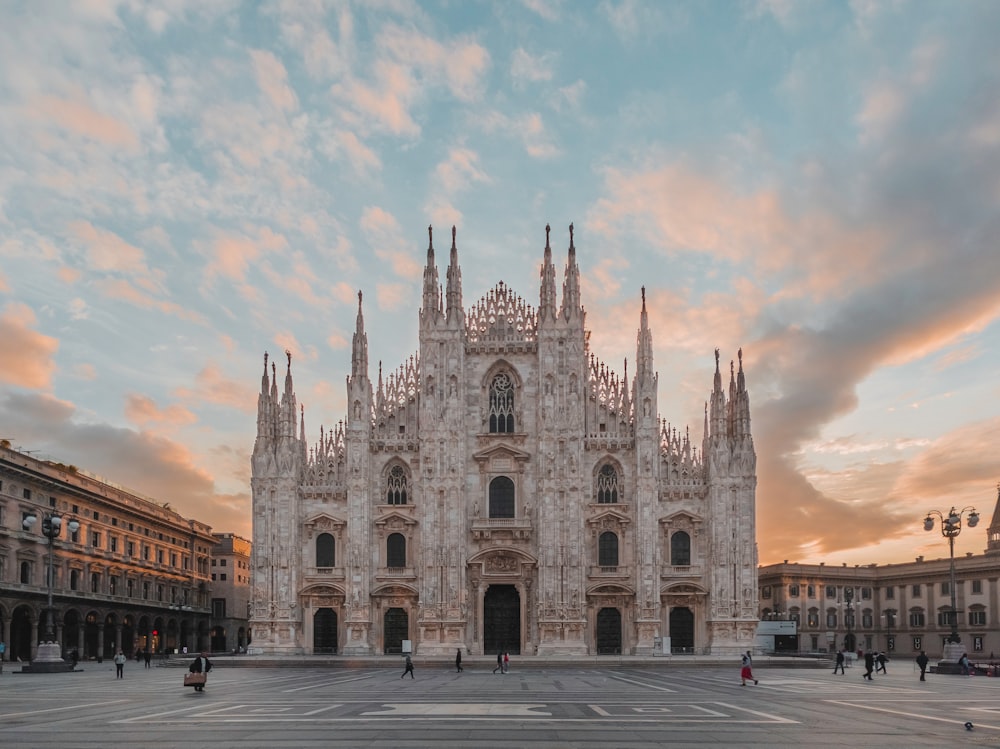
Six centuries in the building and carrying more statues than any other building on earth. The roof terraces are the reason to come: a walk among the spires and flying buttresses with the Alps visible on a clear day. A lift serves the roof and the stairs are the cheaper way up.
The 1931 railway station, a monument of marble, eagles and iron vaults; the high-speed trains to Rome, Venice and Florence leave from under it.
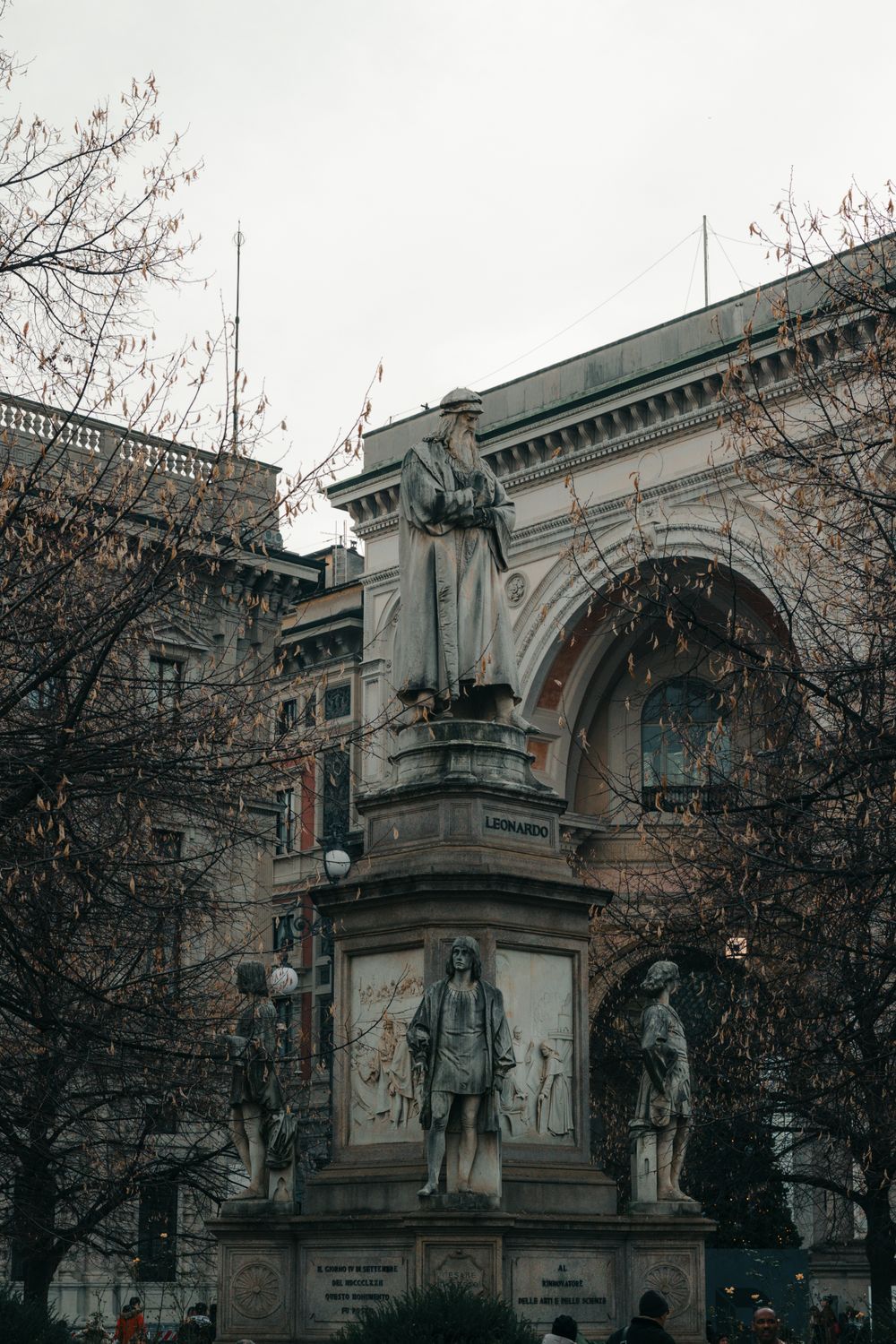
The largest science and technology museum in Italy, in a sixteenth-century monastery, holding a hall of models built from Leonardo's drawings. A submarine and a full transatlantic bridge are parked in the outer galleries. It is large enough to need a plan and half a day.
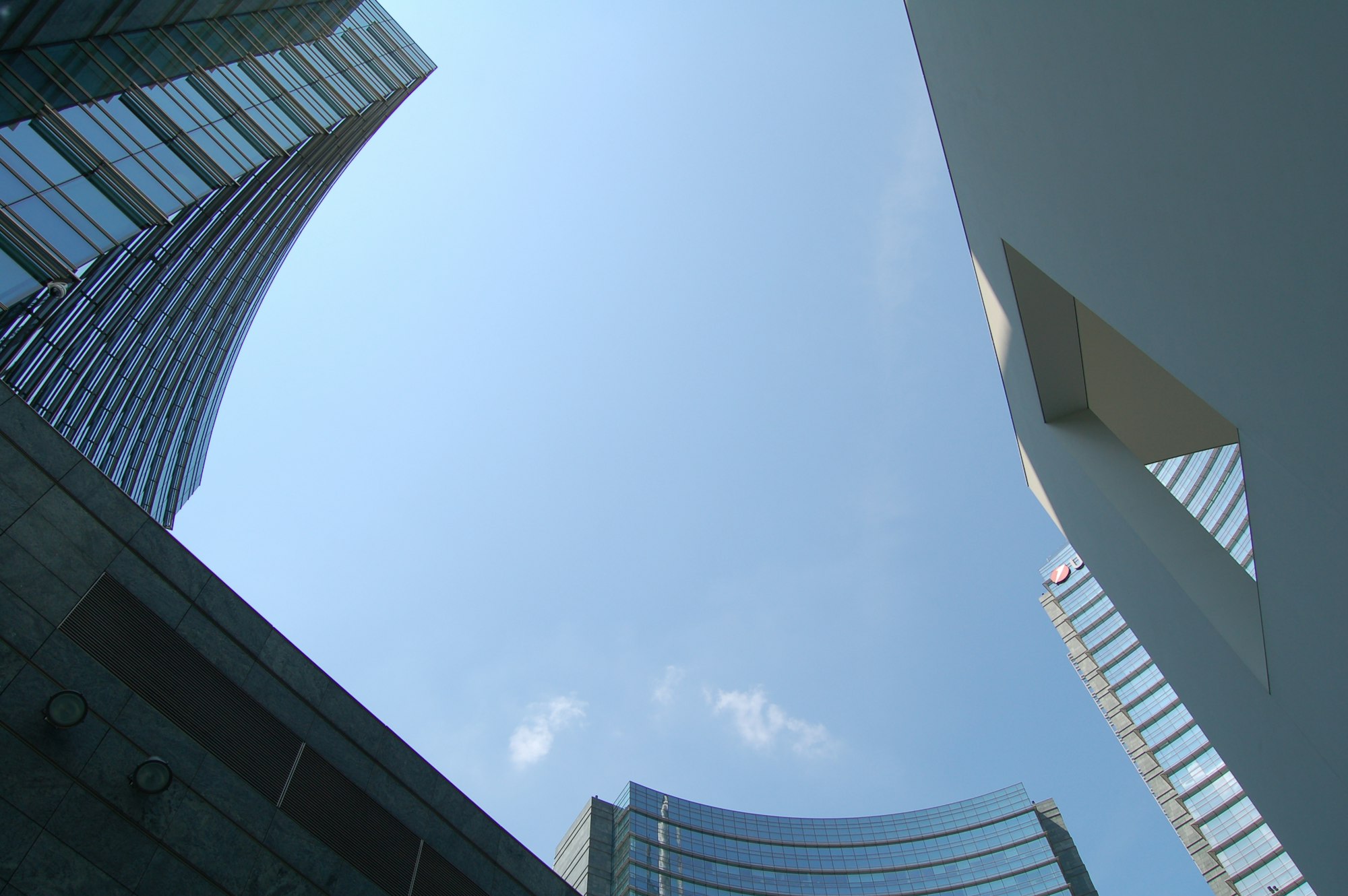
The raised circular piazza at the centre of Porta Nuova, with the Unicredit tower's spire above it and fountains in the floor. The skyline's meeting point.
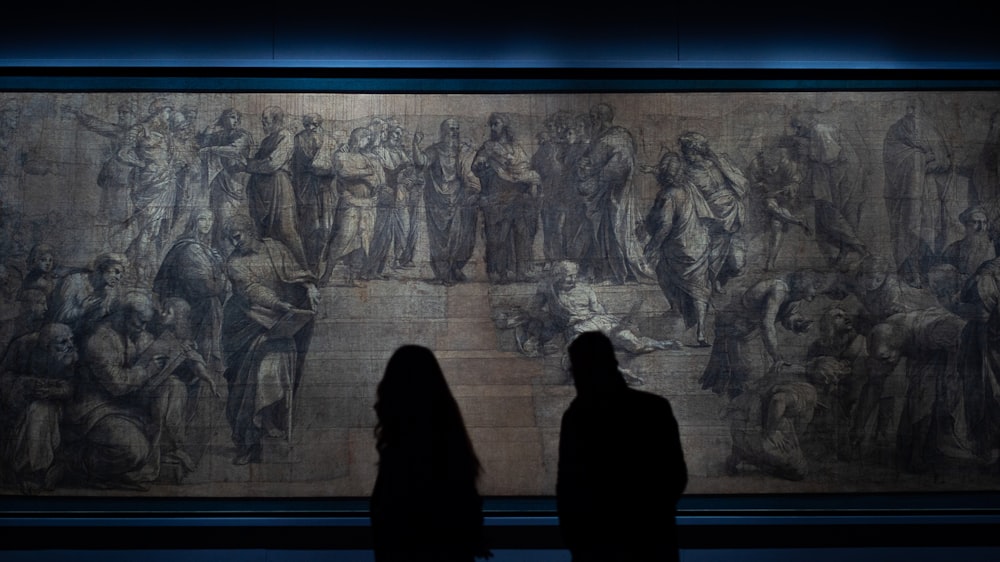
An early seventeenth-century library and gallery holding Caravaggio's Basket of Fruit, Raphael's full-size cartoon for the School of Athens, and pages from Leonardo's Codex Atlanticus. The Codex pages are shown in rotation, so what is on view changes from one visit to the next.
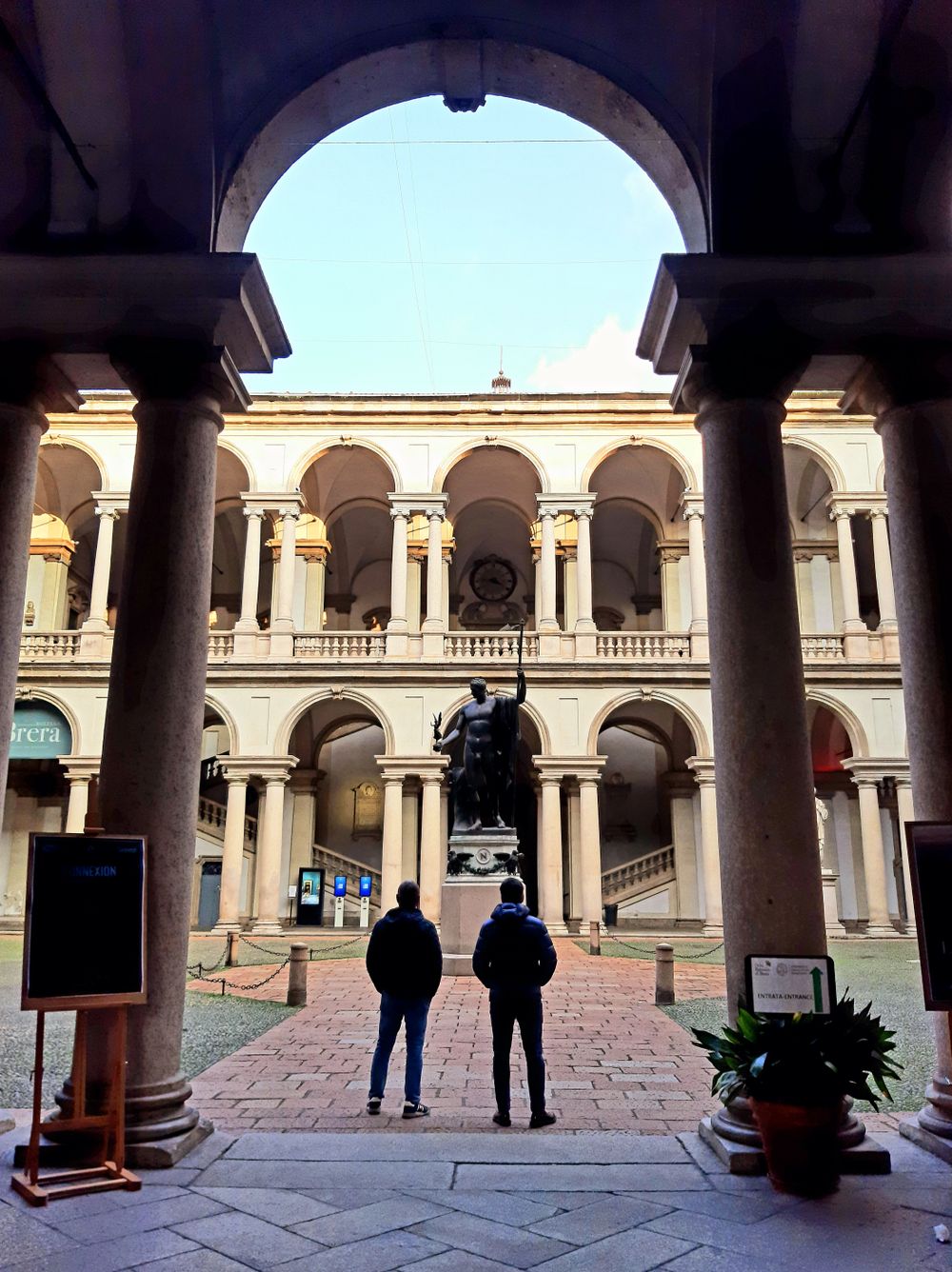
Northern Italian painting at its strongest: Mantegna's foreshortened Dead Christ, Piero della Francesca, Raphael, Caravaggio. It sits in an eighteenth-century palace with an art school still working around it. It sits above the botanical garden and the collection takes about two hours to work through.
Opened in 1778 and still the reference opera house in Italy. The museum gives access to a box overlooking the auditorium when nothing is being rehearsed. Tickets for the upper gallery go on sale on the day of the performance and the queue for them forms early in the morning.
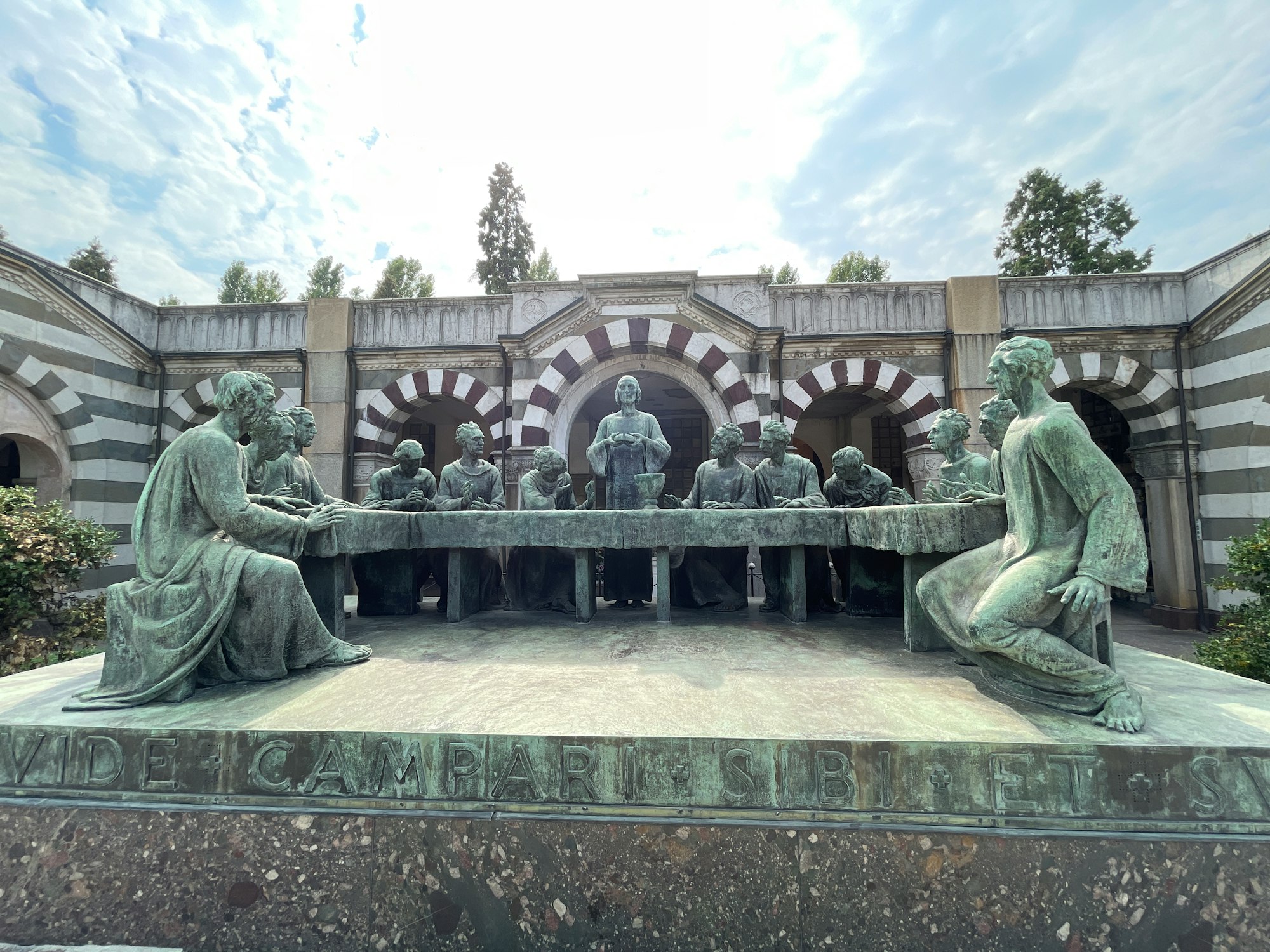
Leonardo painted his mural on the refectory wall of Santa Maria delle Grazie in an experimental technique that began flaking within decades and has been stabilised by long restoration. Entry runs in small timed groups for a quarter of an hour, and slots are taken weeks ahead. Booking is the whole battle, since walk-ups are turned away at the door.
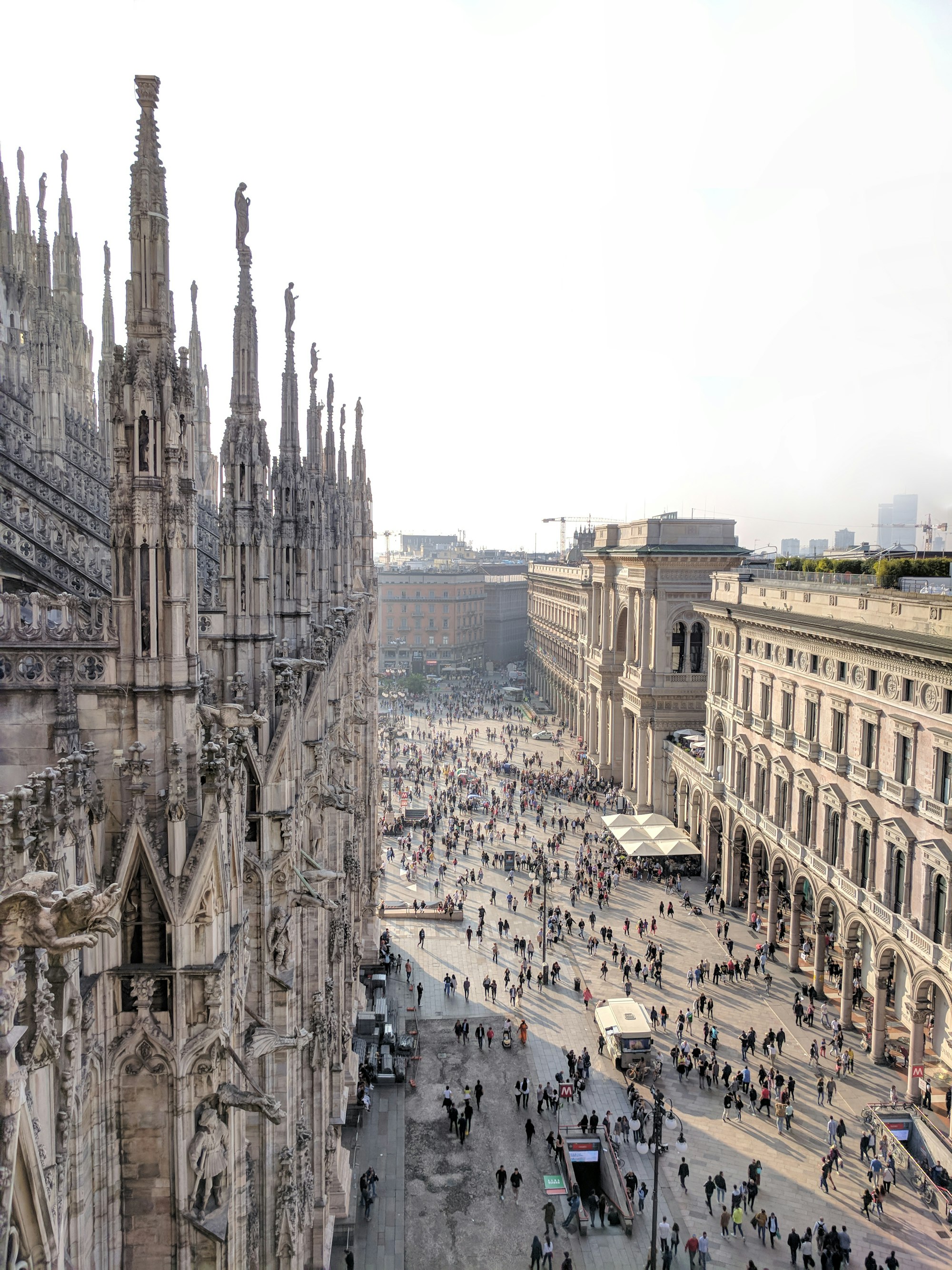
The design and architecture museum in the Palazzo dell'Arte on the edge of Parco Sempione, with the Italian design collection and a rooftop terrace.
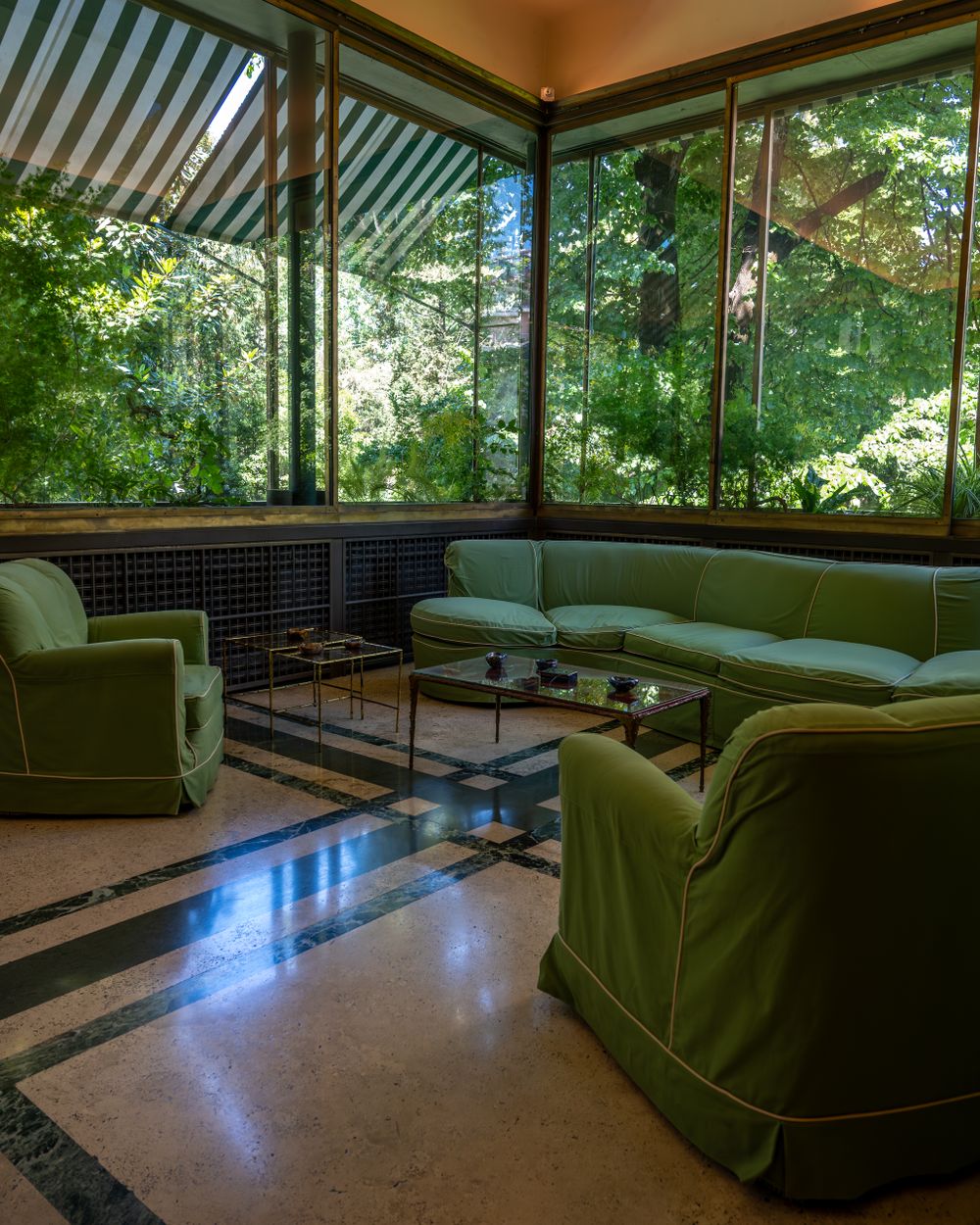
A 1930s villa by Portaluppi in a garden off Corso Venezia, with its pool, its Deco interiors and its art kept as the family left them. Guided visits, and the cafe in the garden.
Every object awarded the Compasso d'Oro since 1954 sits in one hall here, a run of Italian design that takes in typewriters, espresso makers, lamps, scooters and packaging. The building is a converted industrial shed near Porta Volta, opened as a museum in 2021 and roomy enough to show the collection in order. Design Week in April fills it and queues form early.
Founded by Milan's patron saint in 379 and rebuilt in the eleventh century as the model for Lombard Romanesque. The gold altar of Volvinius sits over the crypt. The atrium in front of it is the part most visitors remember, and the university surrounds the site.
The Sforza fortress, now a set of civic museums, holding Michelangelo's unfinished Rondanini Pieta, worked on in his last days. The park behind it runs to the Arch of Peace. One combined ticket covers the museums and the courtyards are free to walk through at any hour.
A nineteenth-century cemetery built as an open-air sculpture gallery, where the industrial families competed through their tombs. It is free and almost always quiet. It is a tram ride north of the centre, and the plan handed out at the gate is worth taking.
The pedestrian street between Porta Garibaldi and Porta Nuova, with 10 Corso Como's courtyard and the nightlife around it.
The old port basin where the two canals meet at Porta Ticinese, rebuilt in 2015 as a promenade with a market on its quay. The Navigli bars start here.
The food hall inside Central Station, opened in 2021, with counters from the city's best bakers, butchers and pasta makers. The place to eat before a train.
Twentieth-century Italian art in the Arengario on Piazza del Duomo, Boccioni and the Futurists up a spiral ramp, and a window onto the cathedral at the top.
A collector's house museum on Via Manzoni, with Pollaiolo's profile of a young woman, Botticelli and Mantegna in rooms furnished as he lived in them.
The sixteenth-century convent church on Corso Magenta frescoed wall to wall by Bernardino Luini, called Milan's Sistine Chapel and usually empty.
A Dominican church whose refectory holds Leonardo's Last Supper. Entry is fifteen minutes for a controlled group and tickets are released in blocks months ahead, so the booking is made long before the trip itself. The church beside the refectory is free and open on ordinary hours.
The washhouse lane off the Naviglio Grande, a wooden roof over the stone basins where the city's laundry was done into the 1950s, now the most photographed corner of the canals.
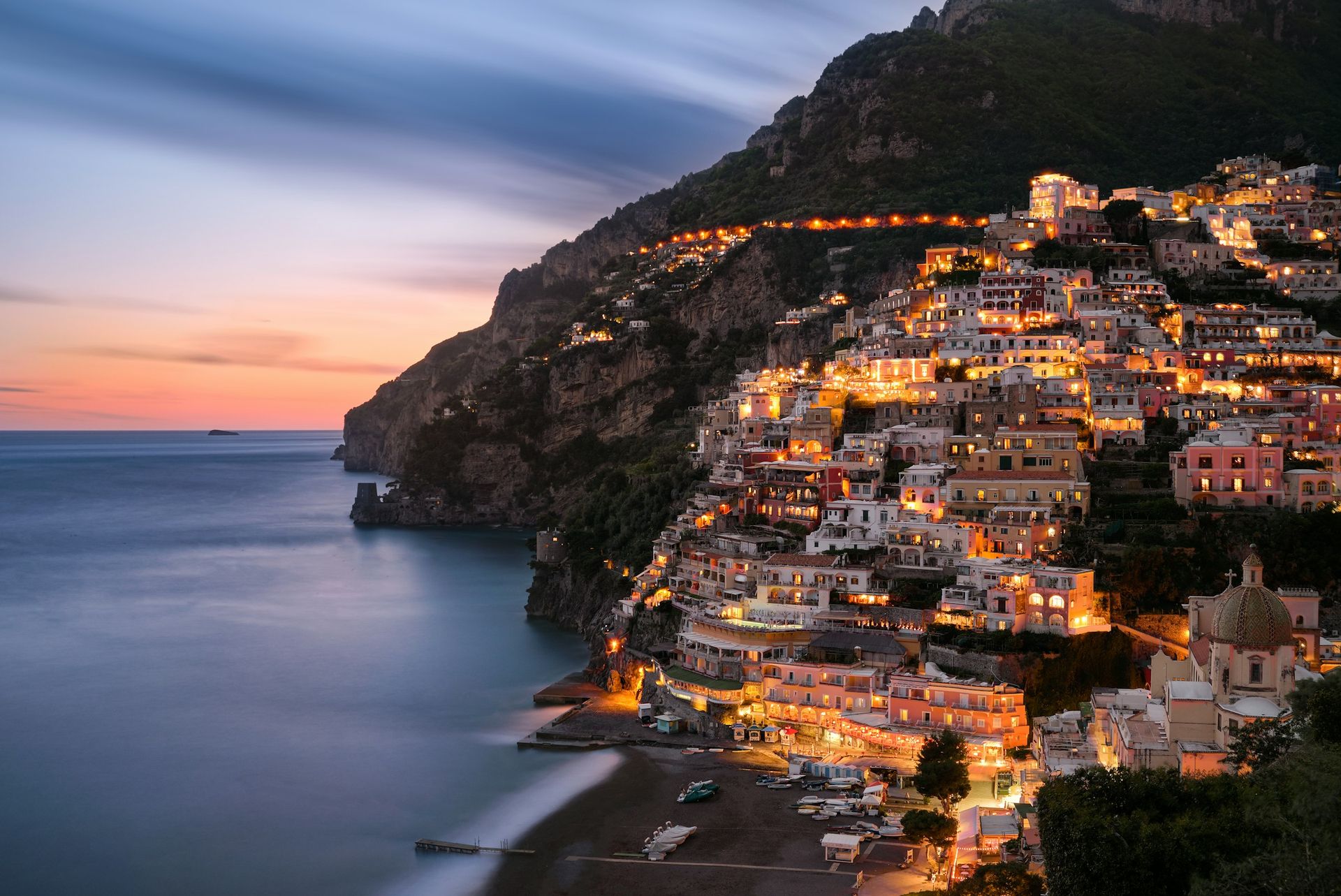
Every Italy town, place and dispatch, on one map.
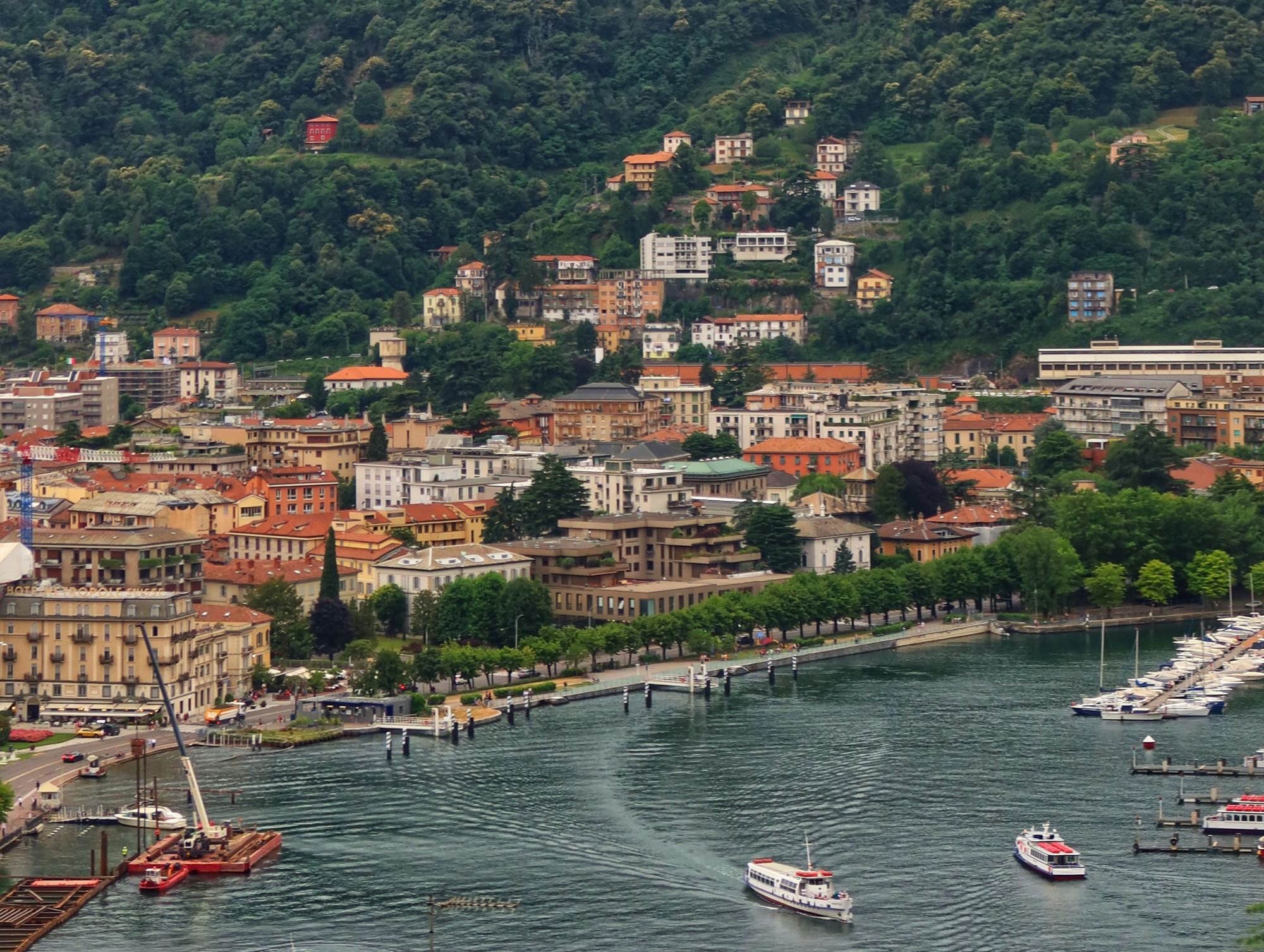
The lake's largest town and its gateway, a walled Roman grid at the southern tip with a cathedral that took three centuries to finish.
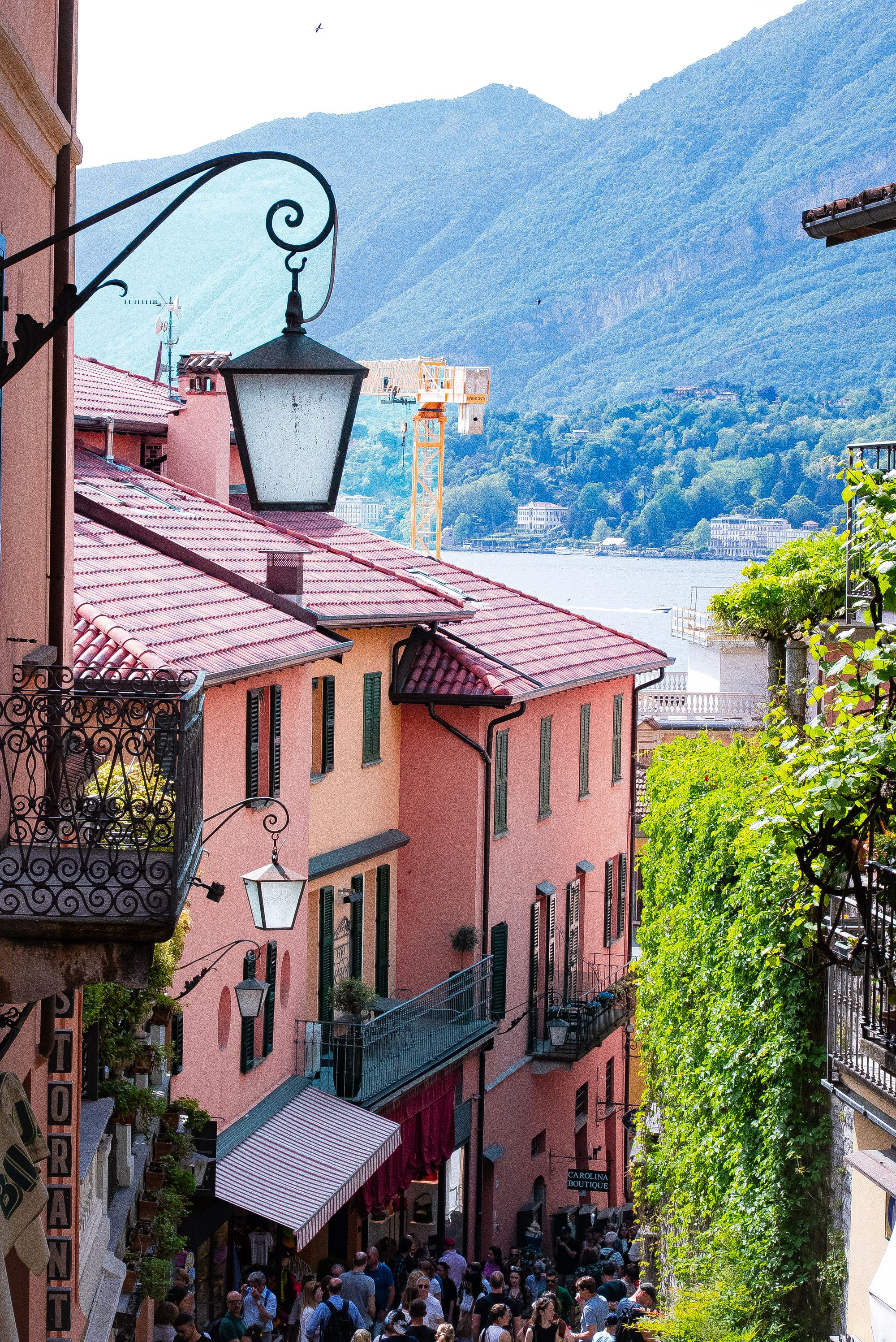
The village on the point where Lake Como divides into its two southern arms, and the most photographed address on the lake.

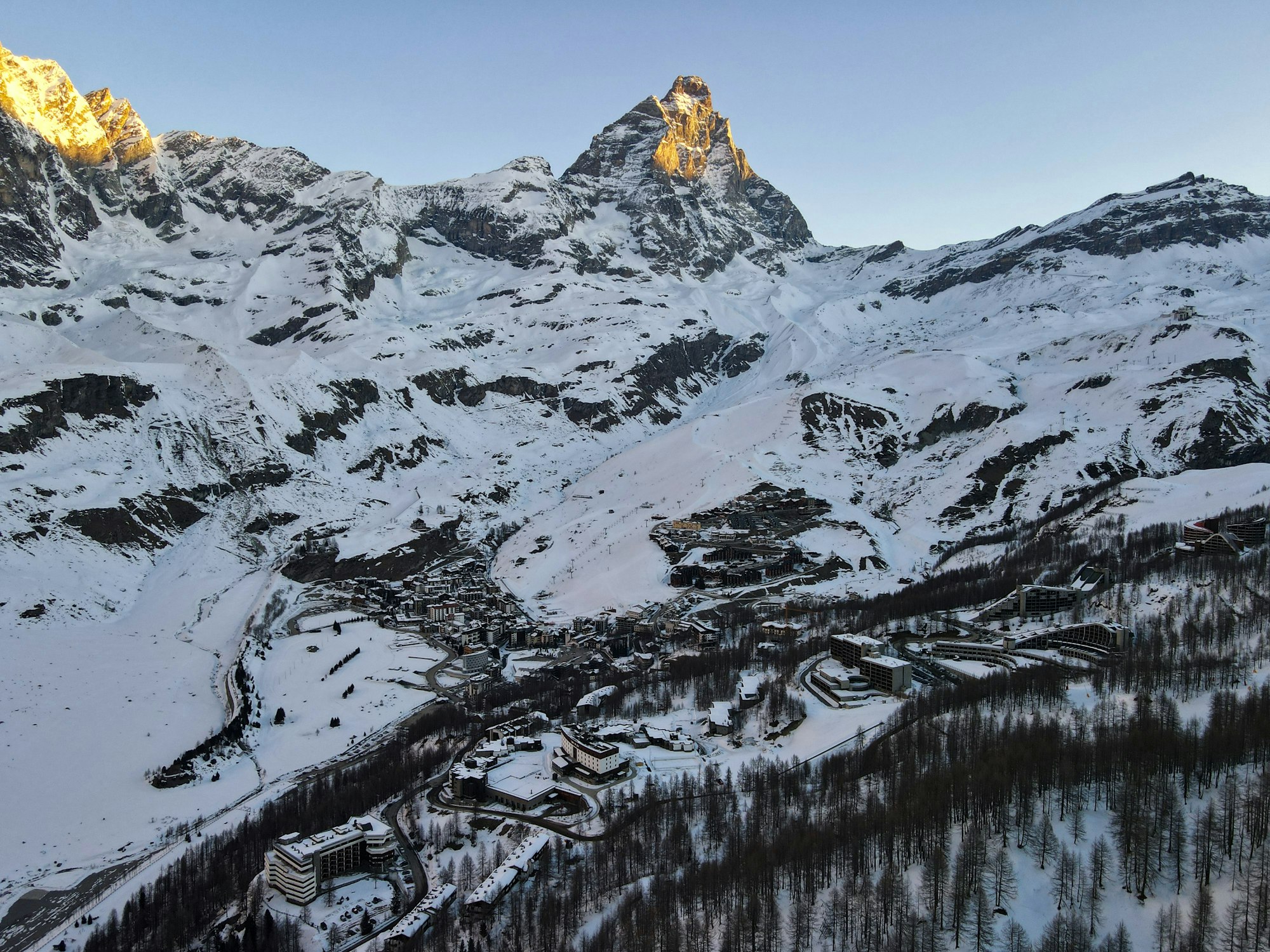
The three mountains share a pass but few lifts, so spend each day on one.
Last updated
Every other travel app asks you to start logging. Meridian Dispatch opens with years of your travel already written, from the photographs you already took.