San Marco
The sestiere of the piazza, the basilica and the Doge's Palace, and the most expensive ground in the city. Stay here for the address and the evening when the day trippers have gone; by day the crowd runs from ten until five.
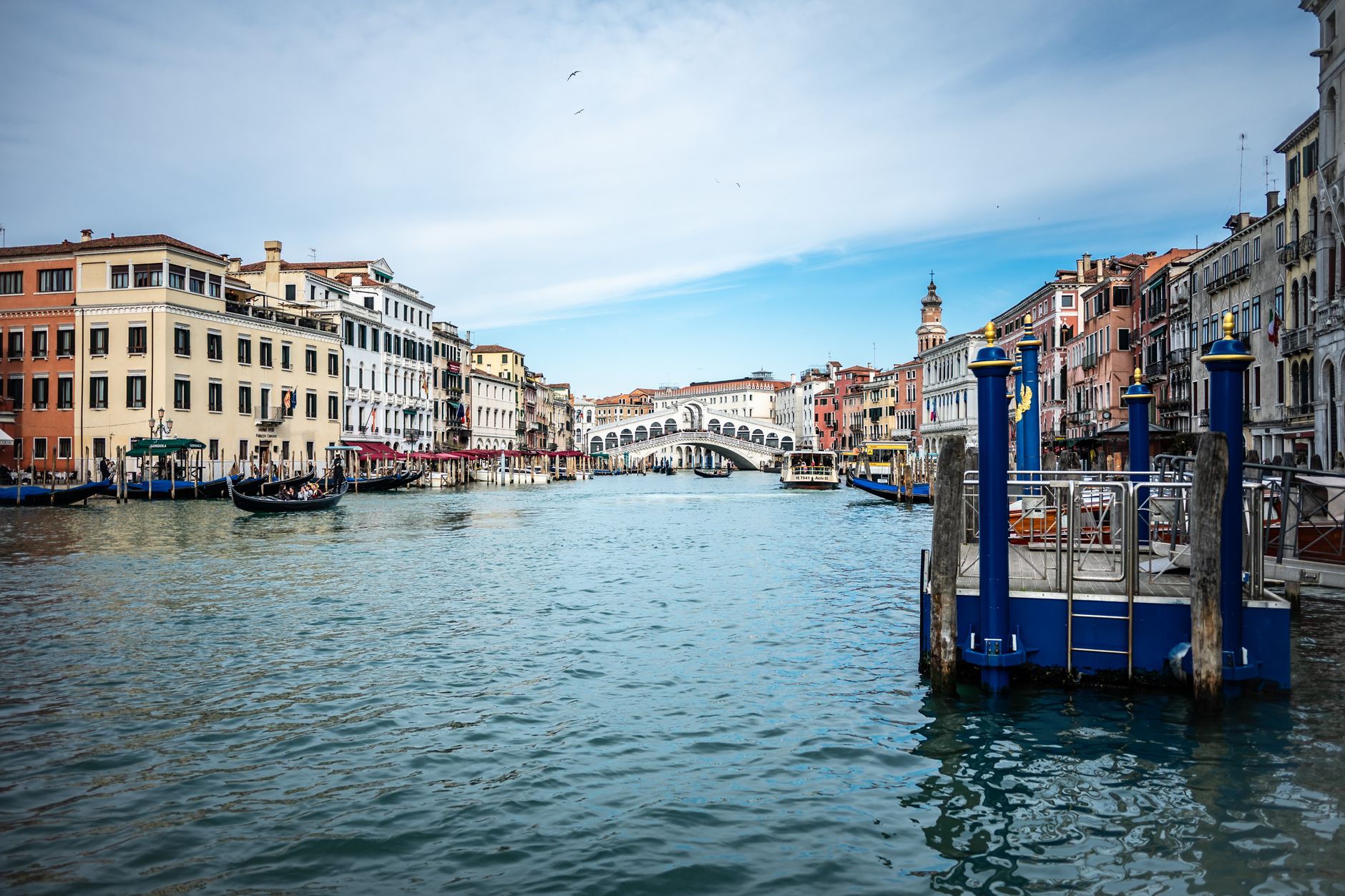
There are no cars and no bikes, so you walk or take the boat everywhere.
View on globeNinety seconds on Venice
Three days, four with the islands. San Marco takes one, the other five sestieri take another, and Murano, Burano and Torcello take a third. The city is quieter in the evening once the day boats have gone, which is the reason to stay over.
On foot and by vaporetto. A multi-day pass pays for itself after about three rides. Nothing here has wheels, so you carry your luggage over every bridge, and between two points in the same sestiere walking usually beats waiting for a boat.
April, May, late September and October. Acqua alta becomes likely from October onward. July and August bring the heat and the crowd at once, and Carnival fills February at the year's highest prices.
Italian, and English across the whole of the centre. Venetian is still what stallholders speak between themselves at the Rialto, and it is a language of its own.
The euro. Plan for the entry fee. Day trippers pay to enter on peak days and book it online beforehand; overnight guests are exempt but are still registered by their hotel.
Marco Polo VCE, on the mainland edge of the lagoon. The Alilaguna boat takes about an hour to San Marco and a water taxi about 30 minutes. Treviso TSF is the budget airport, an hour away by bus.
Venice is six sestieri on a hundred islands, joined by four hundred bridges, and a street on the map can end in water. Allow an extra ten minutes for every walk instead of chasing the shortest route.
Visit the piazza in the morning or the evening. Between ten and five San Marco is packed with day trippers, so see the basilica and the palace early with a timed ticket, and spend the middle of the day in Dorsoduro or Cannaregio.
The line 1 vaporetto from the station to San Marco passes forty palaces in forty minutes; take it once by day and once after dark.
Sleep on the island, not the mainland. Mestre is cheaper, but you miss Venice in the evening, after the last day boats leave and the campi empty, which is the main reason to stay over.
The sestiere of the piazza, the basilica and the Doge's Palace, and the most expensive ground in the city. Stay here for the address and the evening when the day trippers have gone; by day the crowd runs from ten until five.
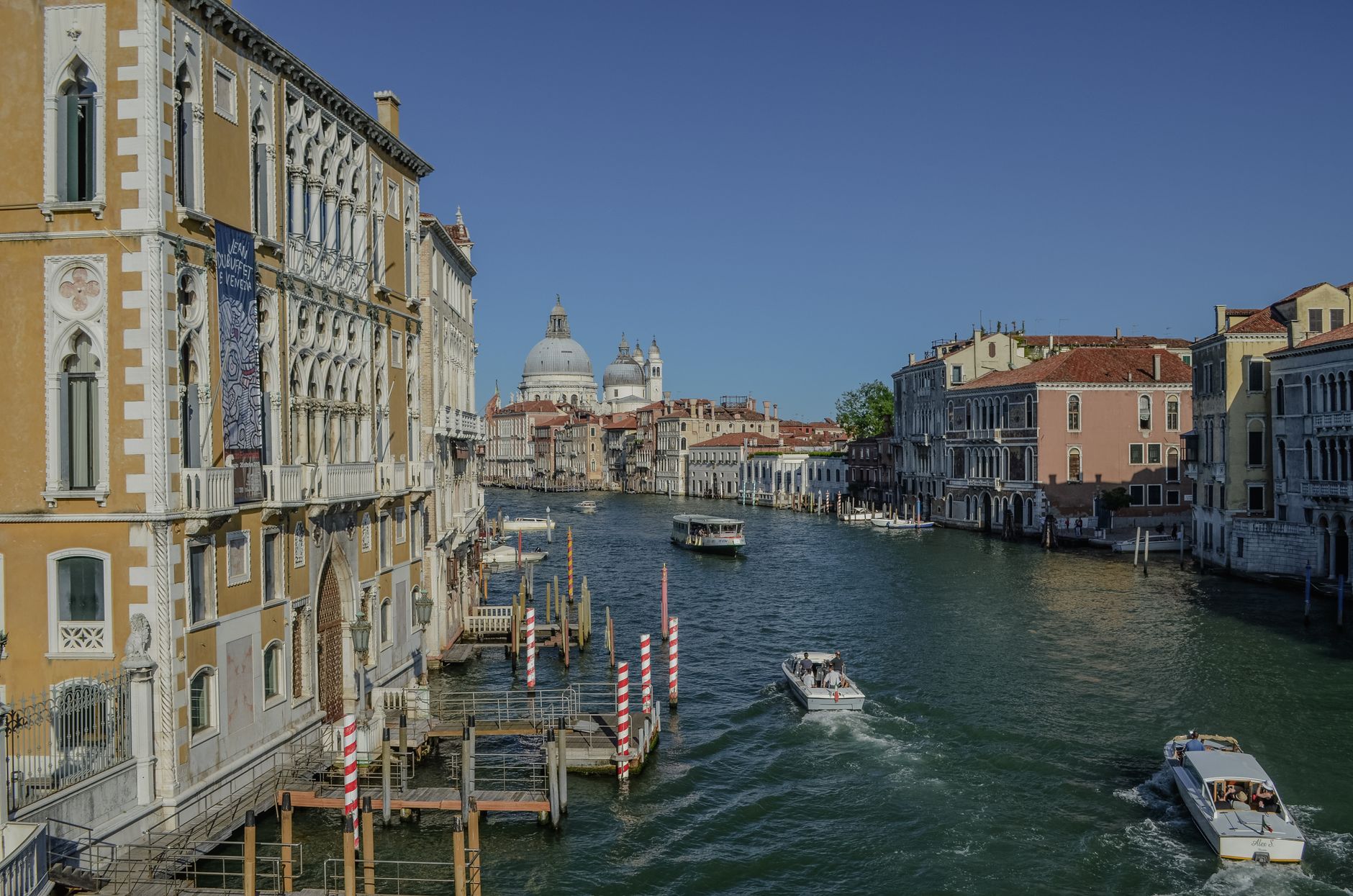
The quarter across the Accademia bridge, with the Accademia, the Guggenheim and the Salute along the canal and the long sunny quay of the Zattere on the far side. It is the university district, the quietest central base, and where Venetians drink their spritz.
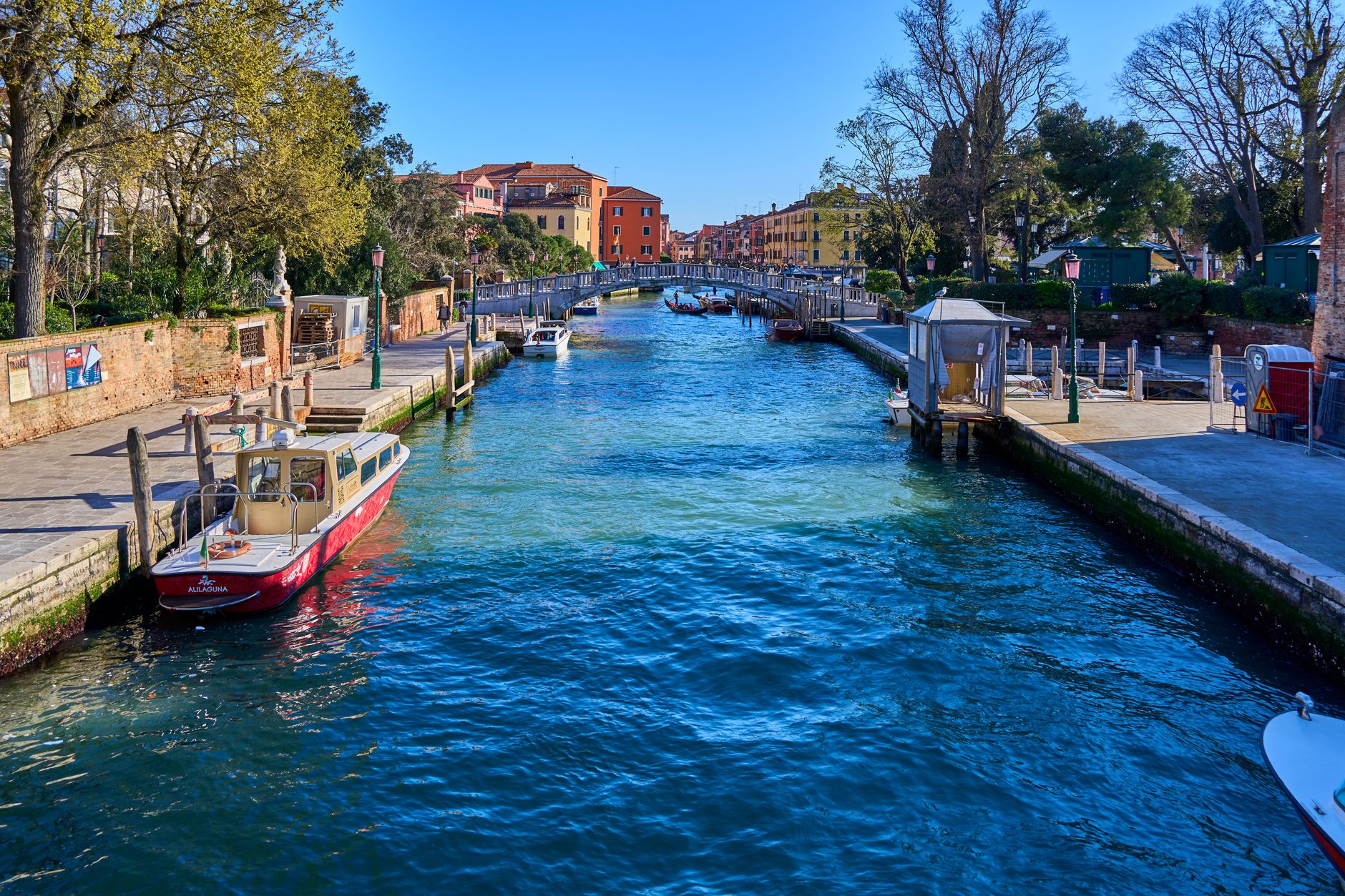
The northern sestiere from the station to the Rialto, with the Ghetto, the Fondamenta della Misericordia's bars and long straight canals with nobody on them. It is where the city still lives, and the cheapest sestiere to sleep in.
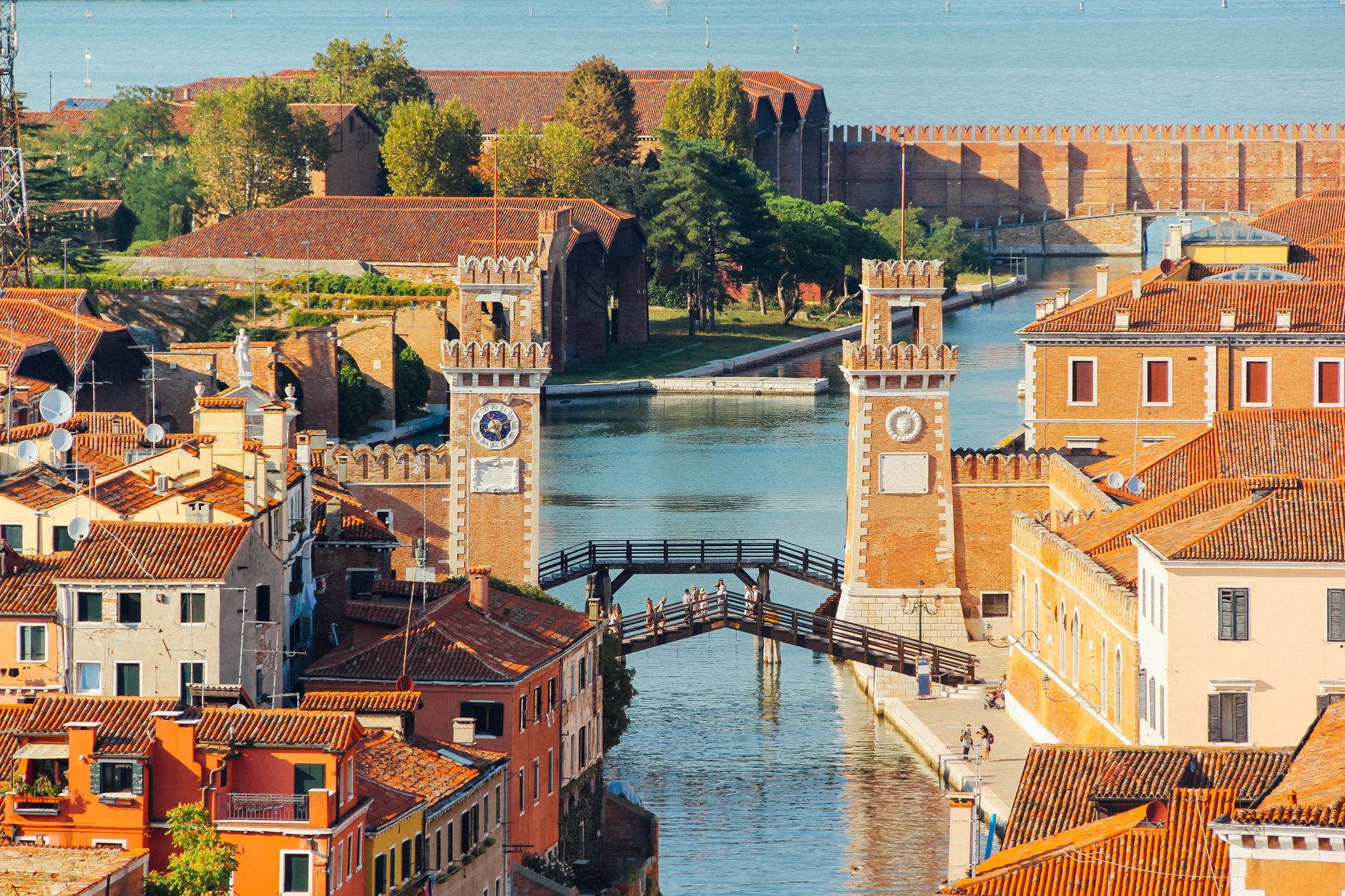
The largest sestiere, from the back of San Marco to the Arsenale and the public gardens of the Biennale, with washing across the streets and the Via Garibaldi's market. Ten minutes from the piazza and a different city.
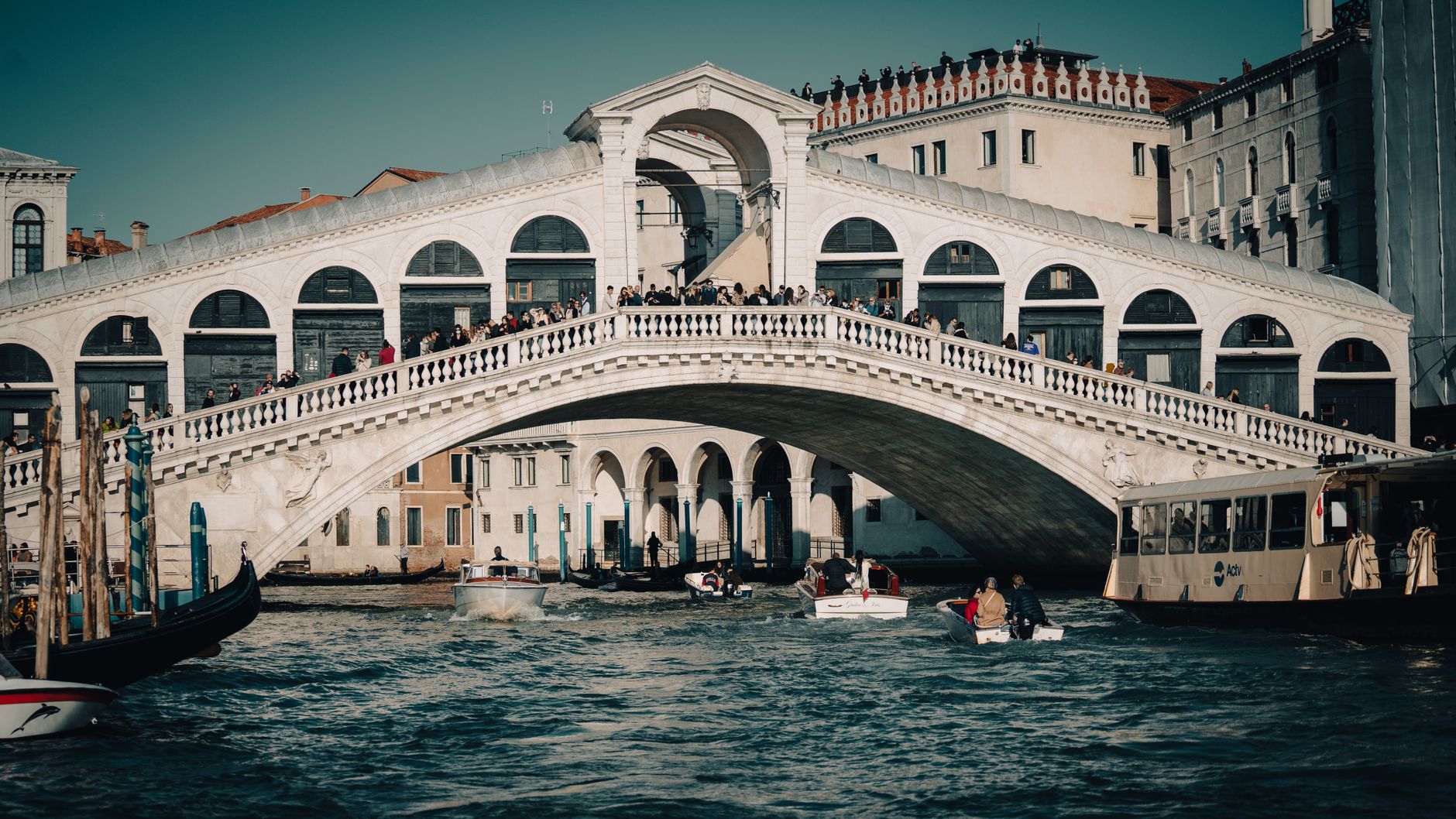
The smallest sestiere, inside the bend of the Grand Canal, with the Rialto market at one end and the Frari and San Rocco at the other. The bacari around the market are the place for a morning glass and cicchetti.
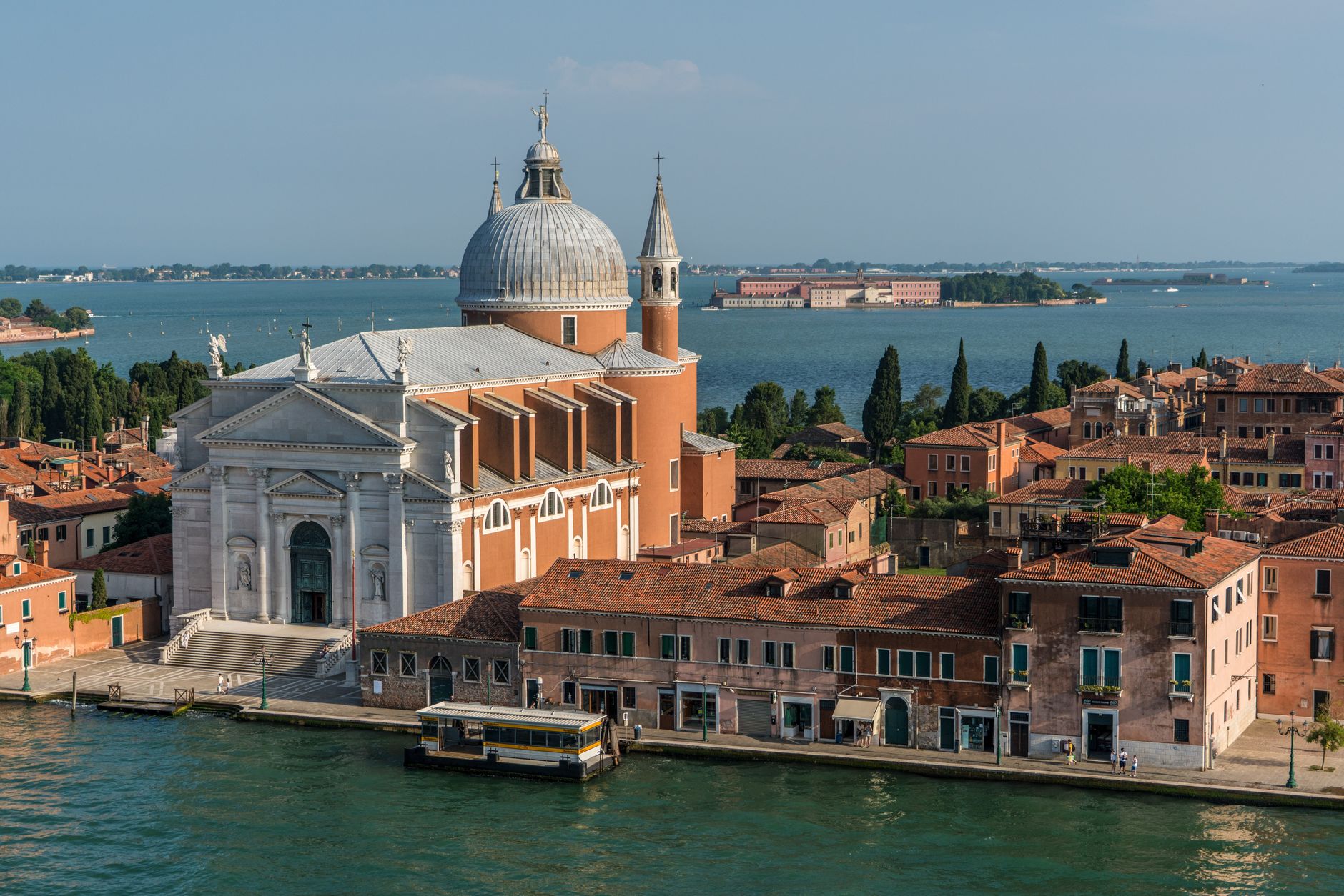
The long island across the wide channel from the Zattere, with Palladio's Redentore, the Cipriani in its garden at the eastern tip and the boatyards at the western one. Two vaporetto stops from San Marco and a world away from it.
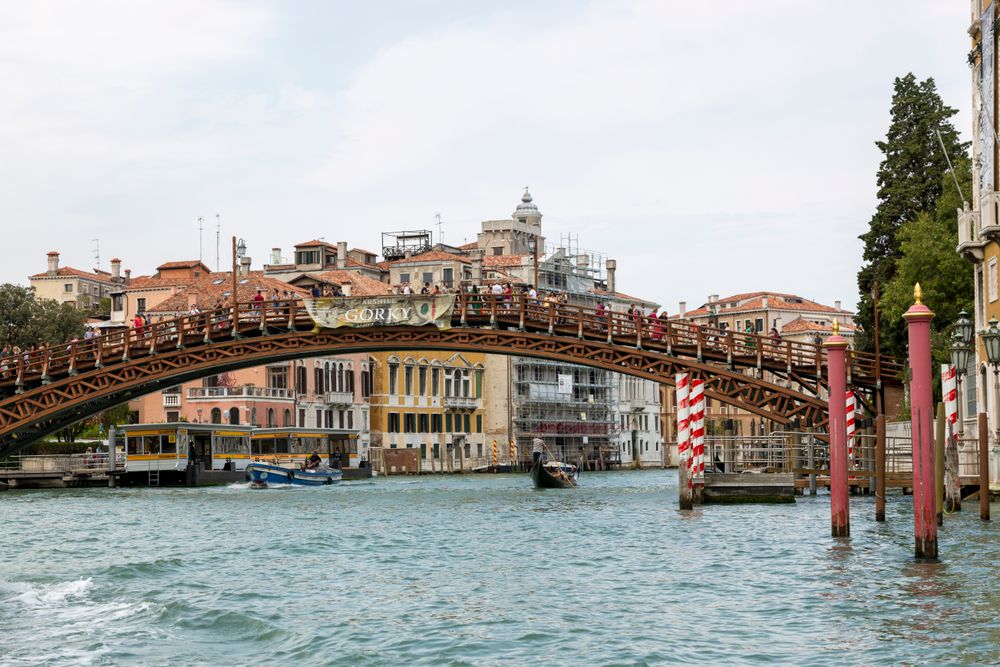
The wooden bridge across the Grand Canal to Dorsoduro, with the postcard view down the canal to the Salute. Built as a temporary structure in 1933 and still there.
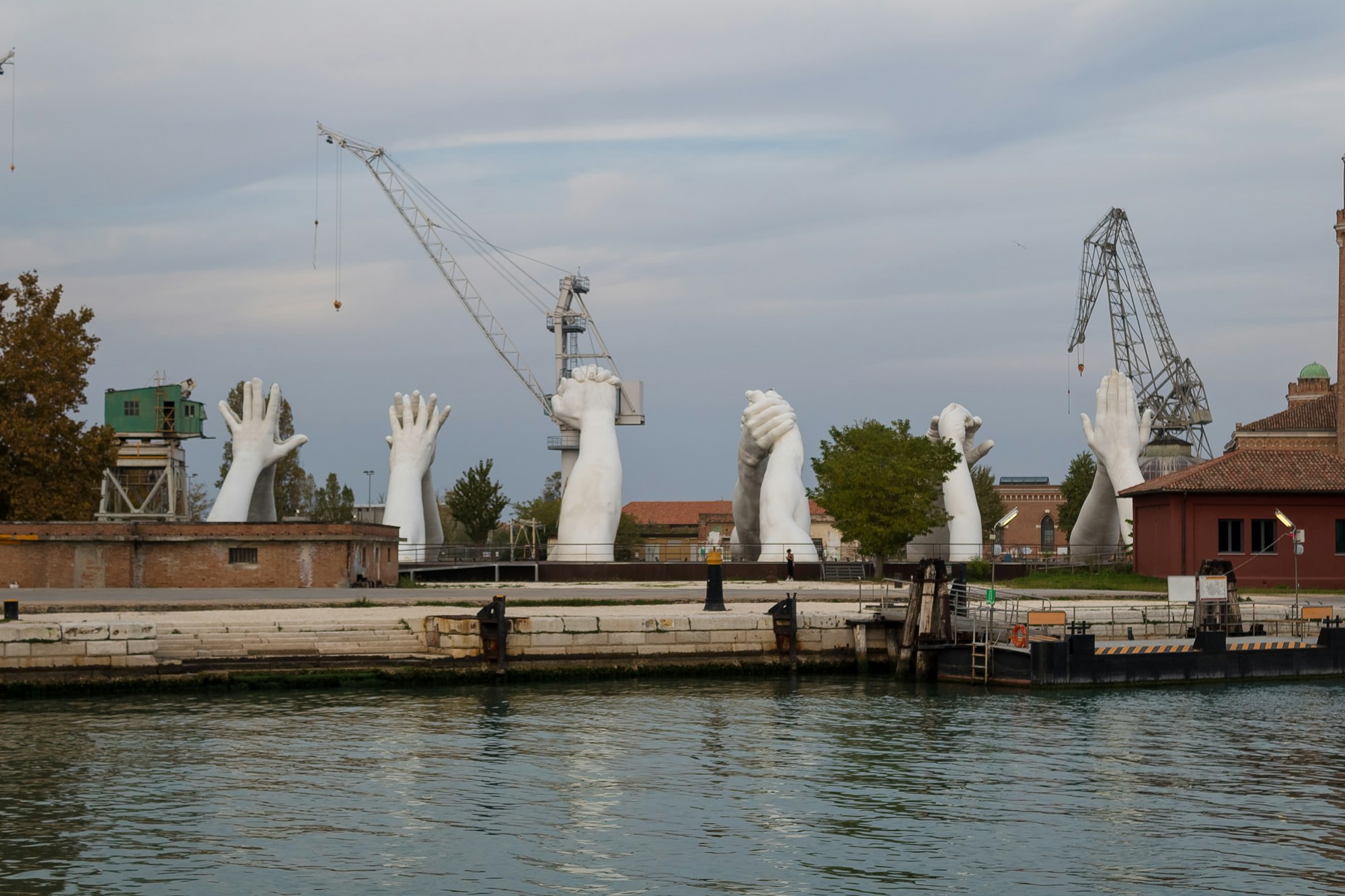
The state shipyard that built the Republic's fleet, a walled city within the city, with the lion gate of 1460 and the Biennale's exhibitions in its sheds in alternate years.
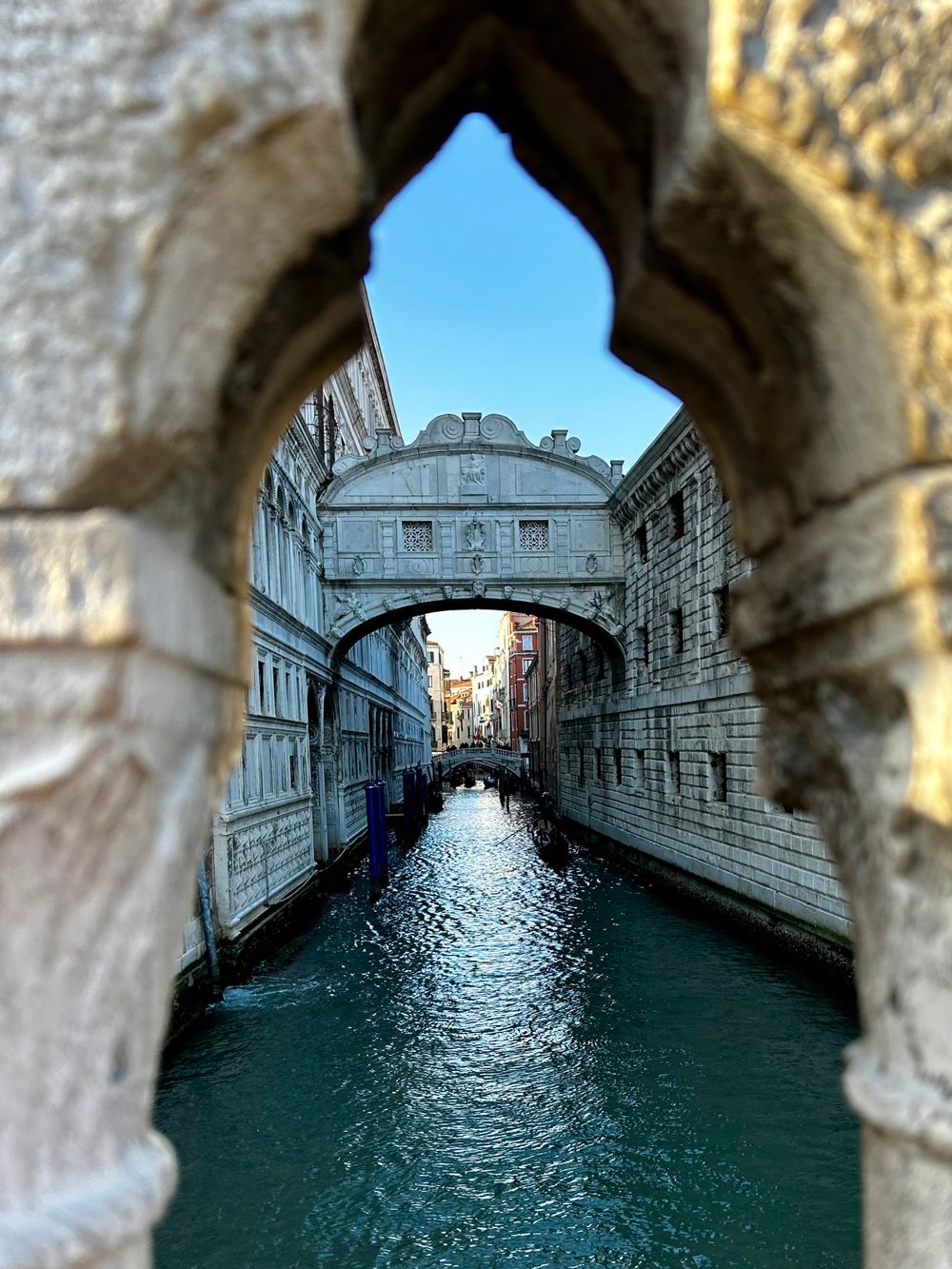
The enclosed white bridge of 1600 linking the Doge's Palace to the prisons, seen from the Ponte della Paglia on the waterfront. Crossed from inside on the palace ticket.
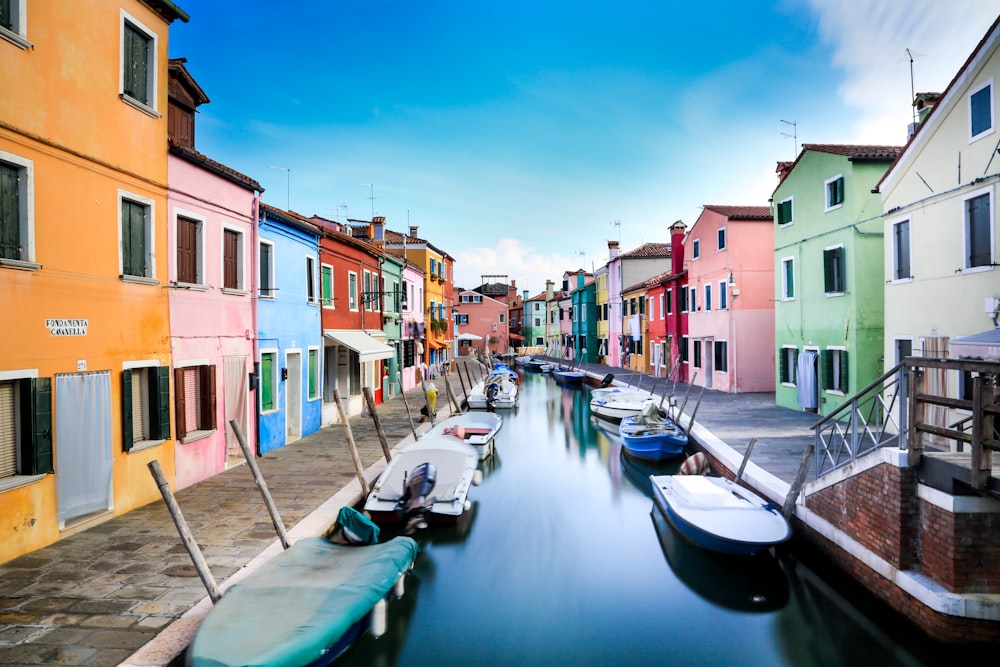
A lagoon island of painted fishermen's houses, historically a lacemaking town, about forty minutes out by vaporetto. The colours were a practical code for telling one house from another in fog. Torcello is ten minutes further on the same line and the two are done in one trip.
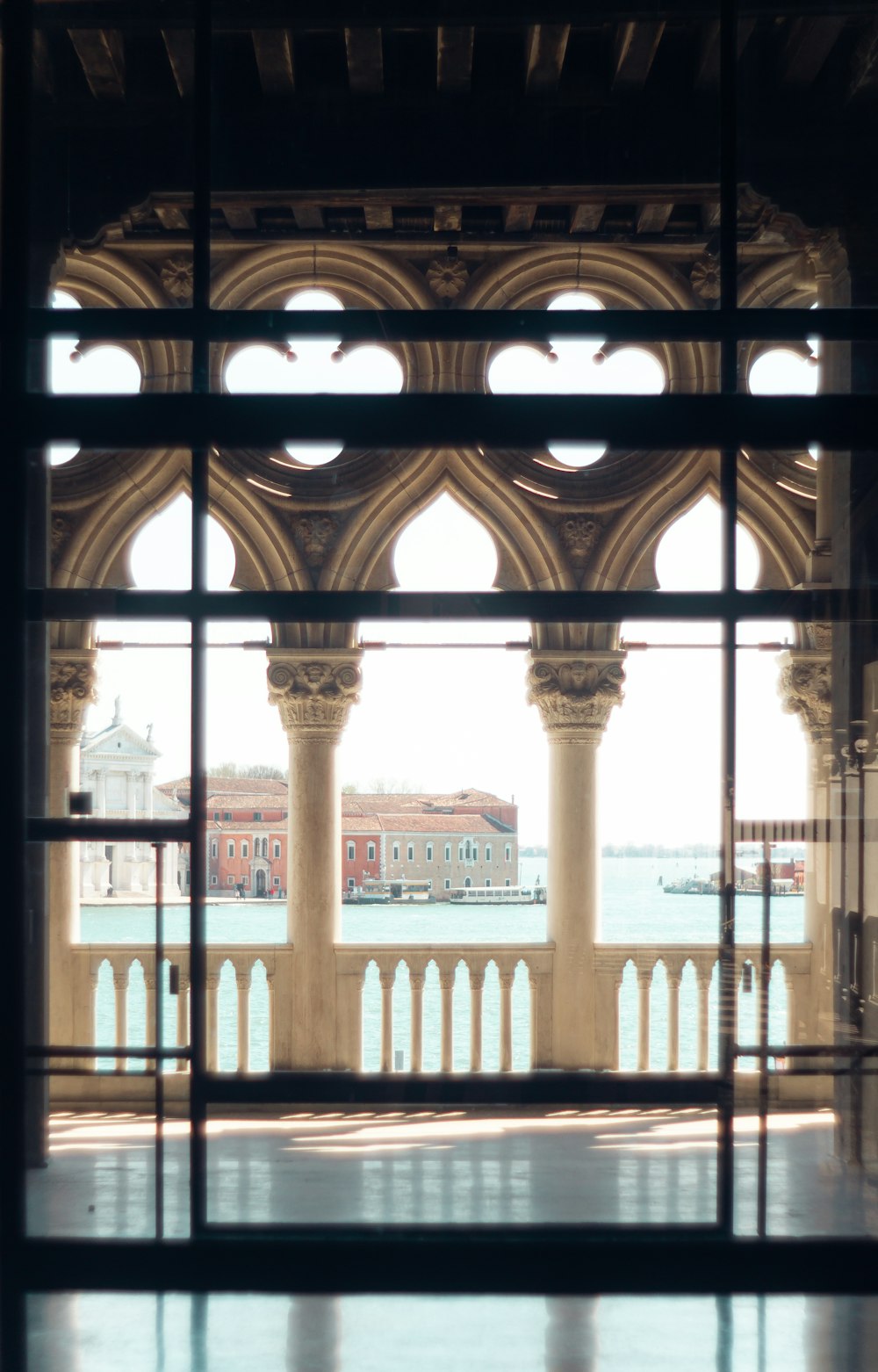
The seat of Venetian government and the law courts, in white Istrian stone and pink Verona marble on an open arcade. The Secret Itineraries tour reaches the attic prisons and the interrogation rooms, which the standard route does not. The two visits together take most of a morning.
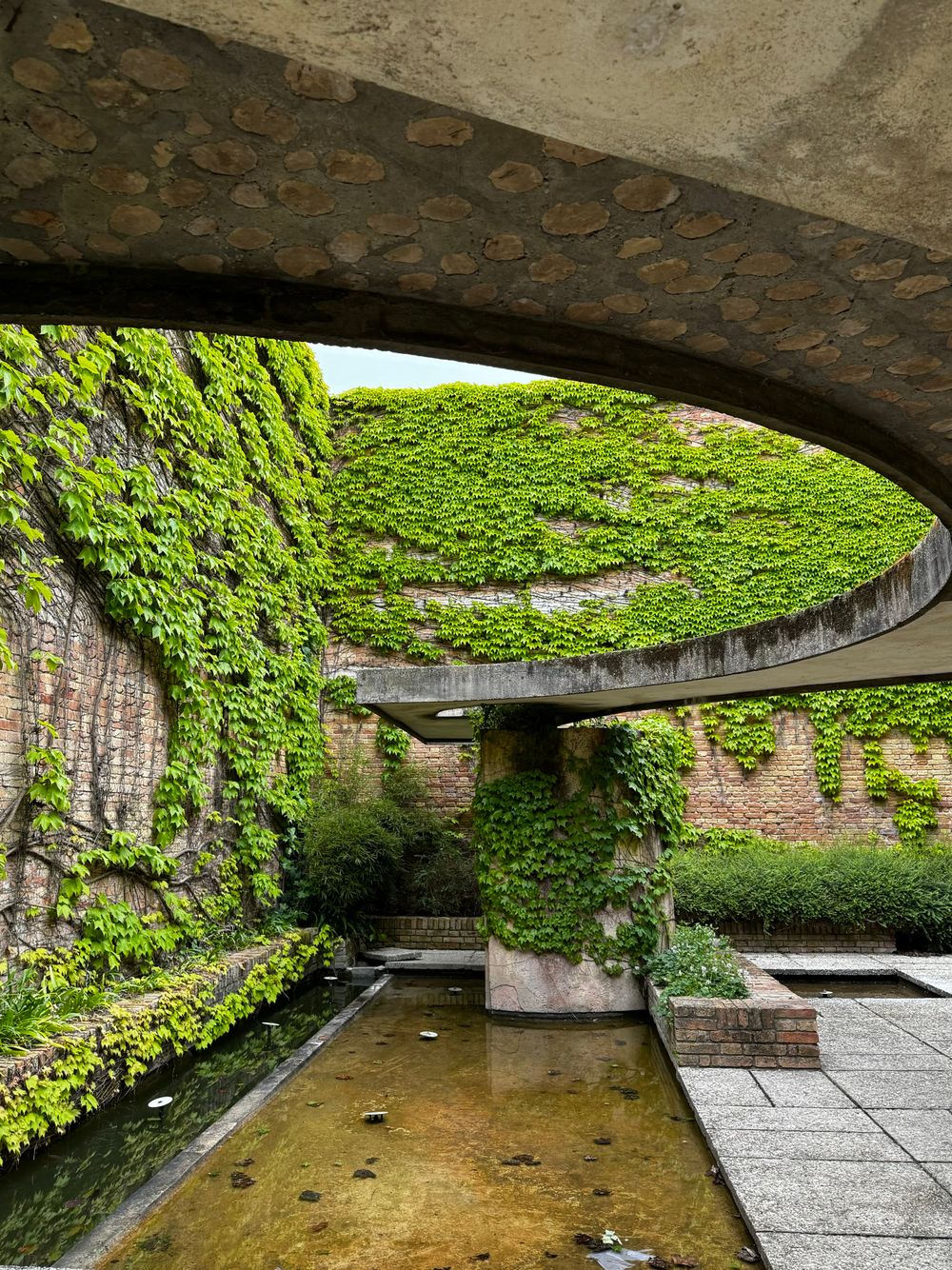
The public gardens at the end of Castello holding the national pavilions of the art and architecture Biennales; between the shows the park is the quietest place in the city.
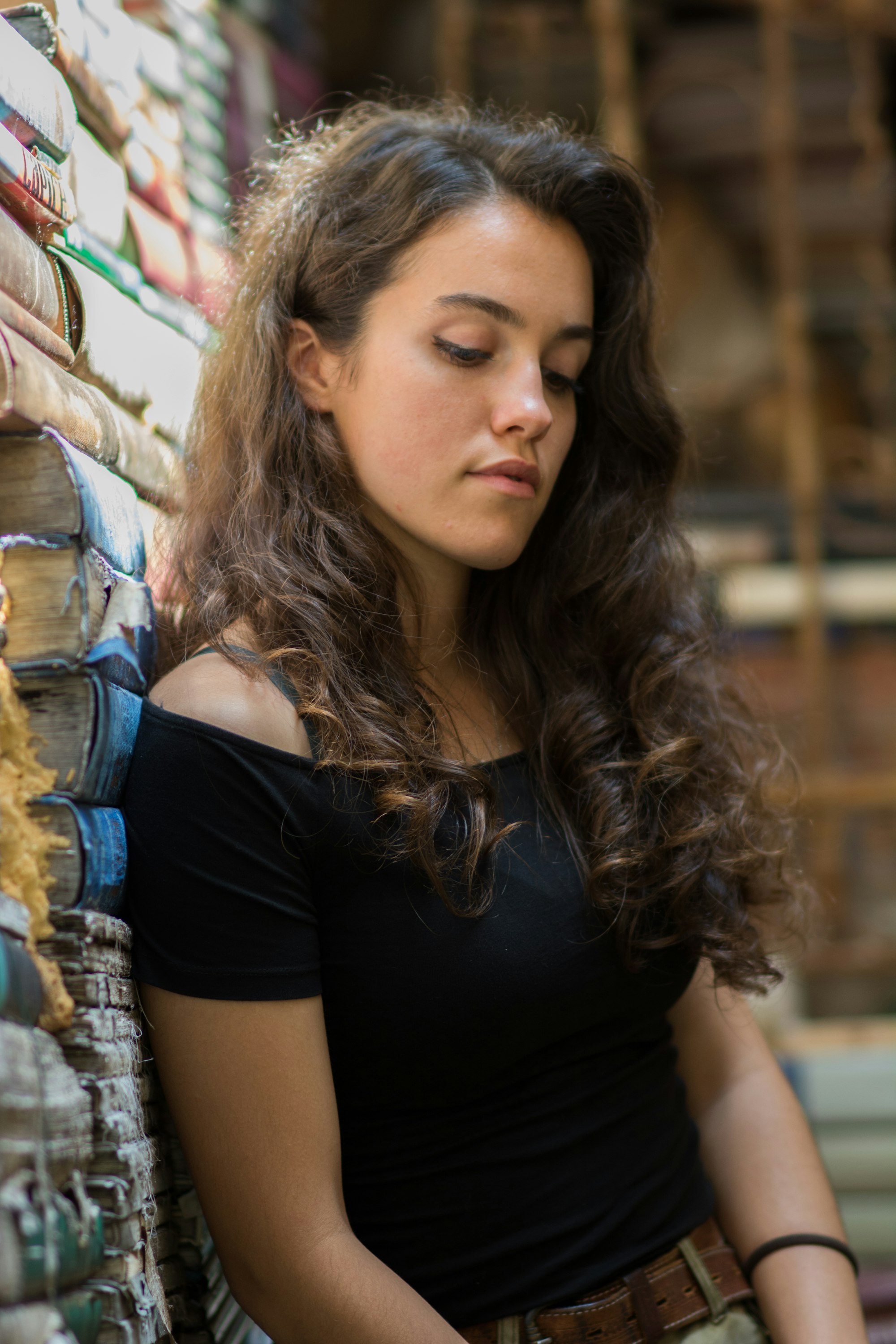
The bookshop in Castello that keeps its stock in bathtubs and a gondola against the floods, with a staircase of old books in the courtyard.
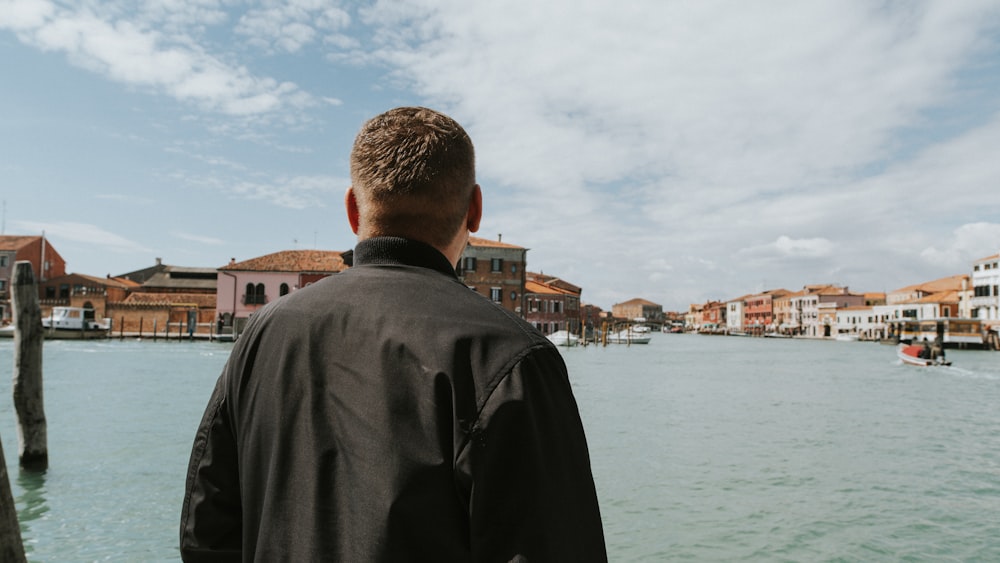
The glassmaking island, where the Republic moved its furnaces in 1291 to keep fire away from the city and the technique away from rival cities. The Museo del Vetro holds pieces back to Roman times. Furnace demonstrations run through the day on the main canal.
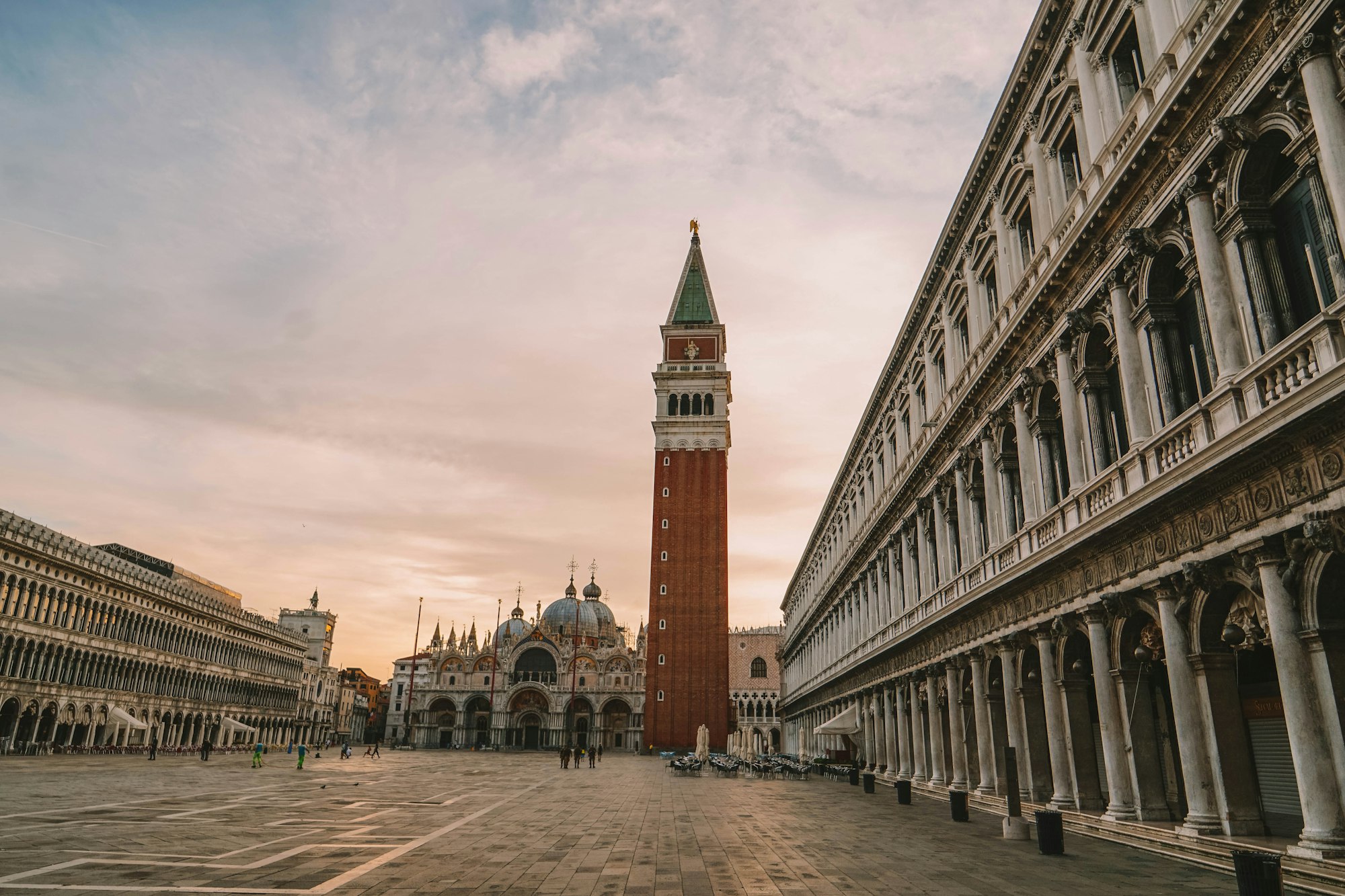
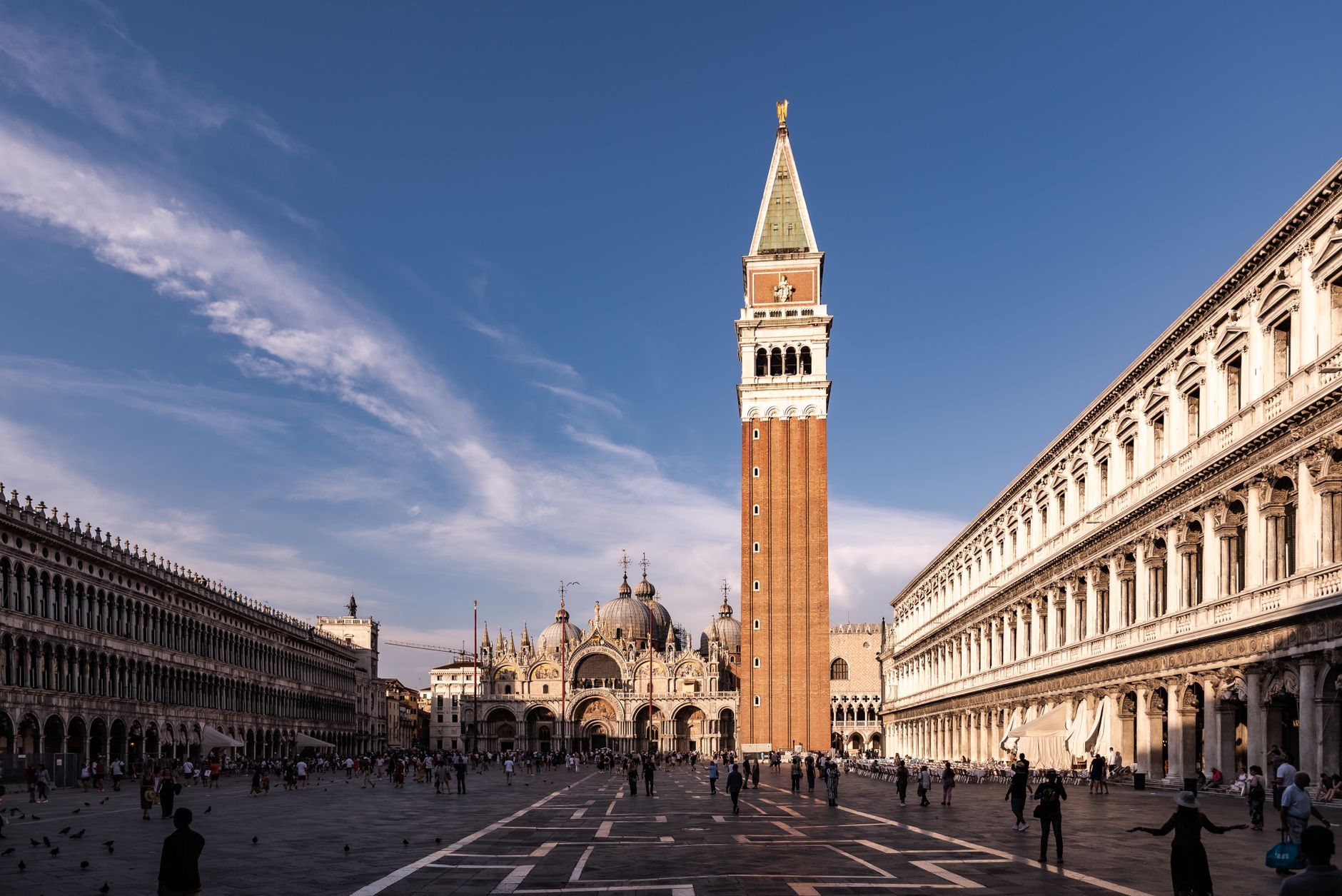
The only piazza in Venice, the rest being campi, ringed by the Procuratie arcades with the basilica at its head and the campanile beside it. Acqua alta floods it first, and the cafe orchestras charge for the music.
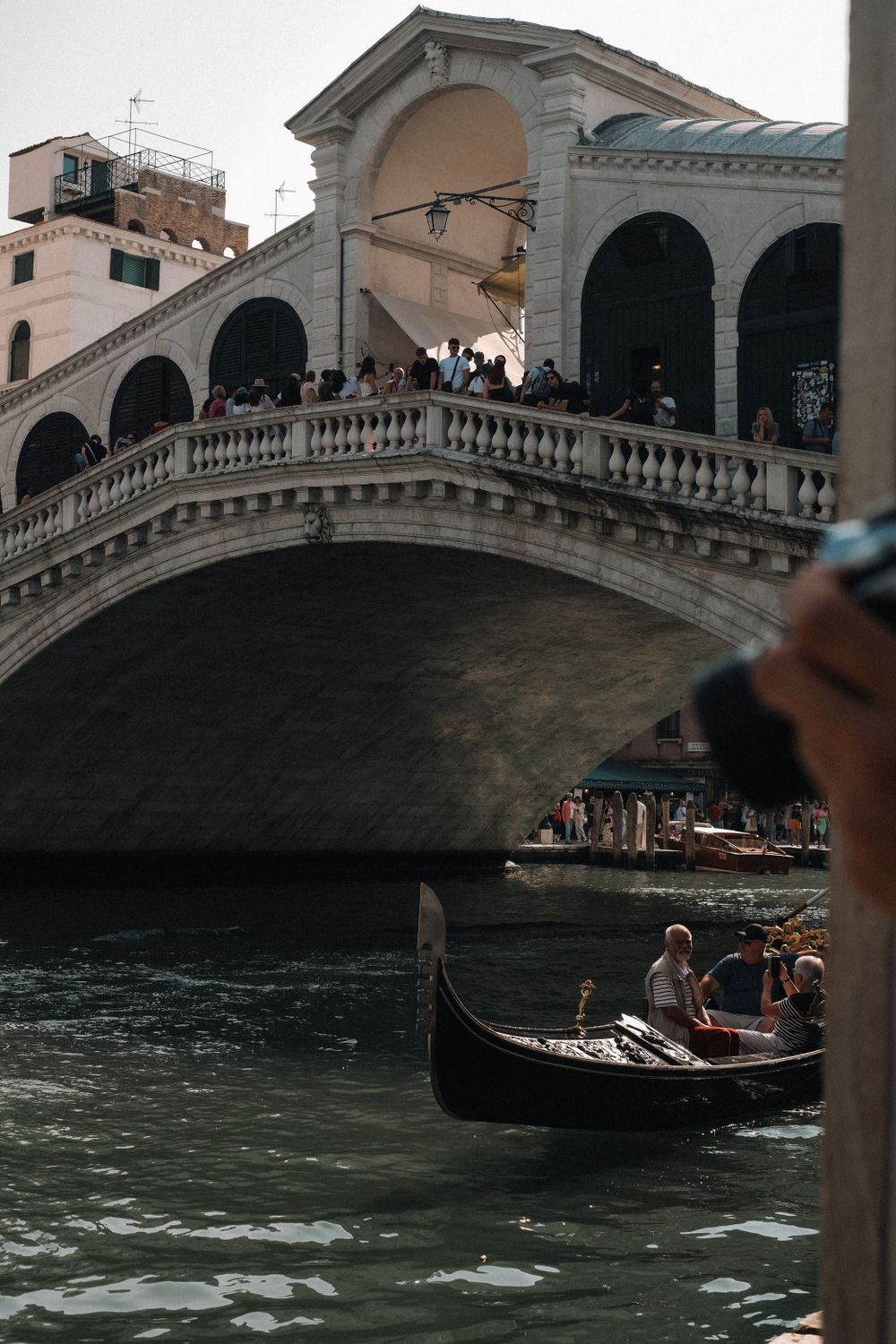
The oldest of the four bridges over the Grand Canal, finished in stone in 1591 after three earlier wooden ones collapsed. Two rows of shops run along its span. It is crossed at all hours and the steps are busy through the middle of the day.
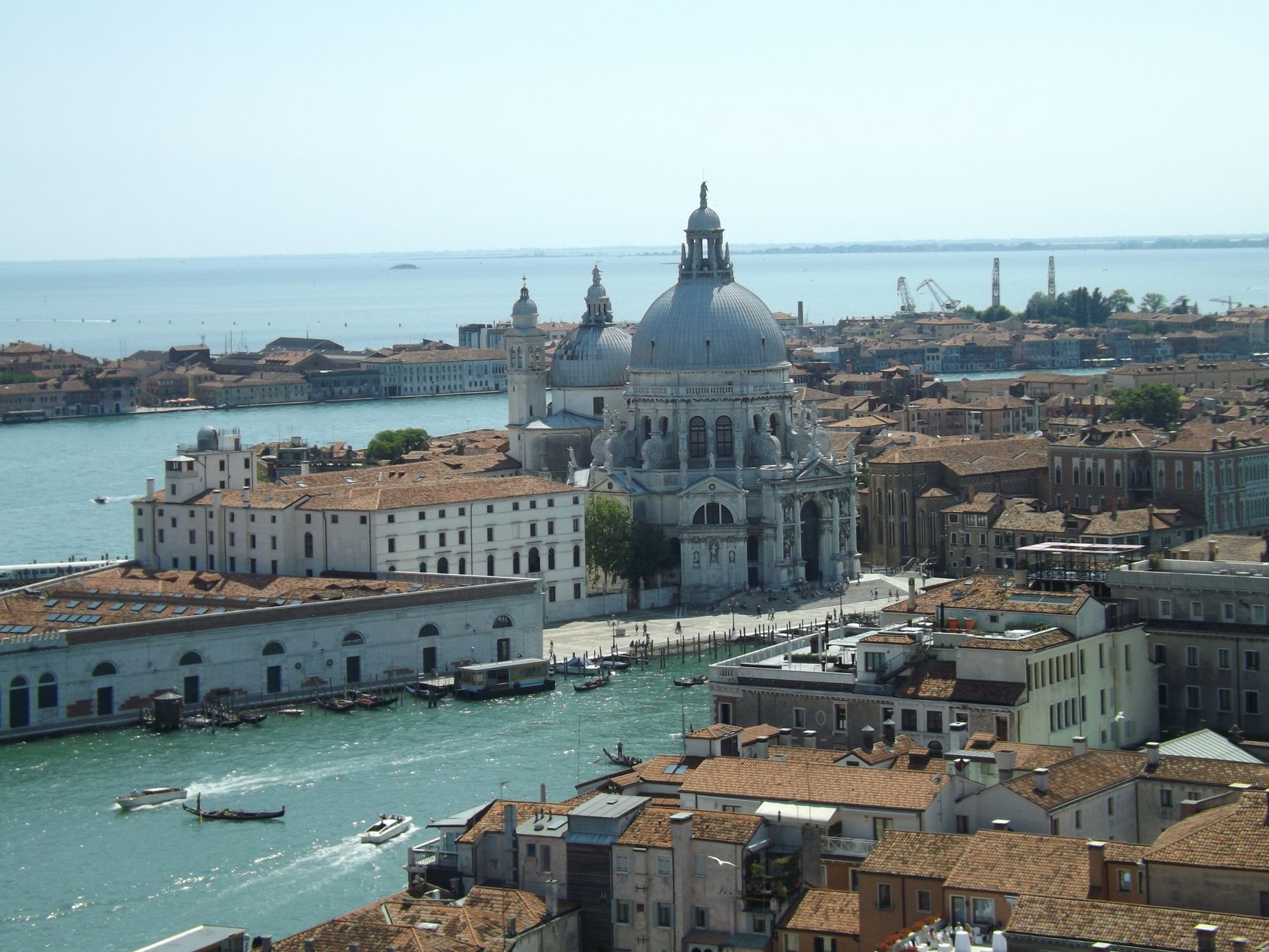
An octagonal domed church at the mouth of the Grand Canal, begun in 1631 as a votive offering after a plague that killed a third of the city. Titian and Tintoretto canvases hang in the sacristy. The votive procession across a pontoon bridge still runs each November.
The most ornate Gothic palace on the Grand Canal, in Cannaregio, with the Franchetti collection and a balcony that is the point of the visit.
A Grand Canal palace kept as a museum of eighteenth-century Venice, with Tiepolo ceilings and rooms furnished to the period. It shows how the merchant families actually lived, down to the kitchen and the pharmacy. The vaporetto stop is directly outside the water gate.
The German merchants' warehouse at the foot of the Rialto, now a department store with a free rooftop terrace over the Grand Canal, booked online in fifteen-minute slots.
The Franciscan church of San Polo, brick outside and Titian inside: the Assumption on the high altar and his tomb opposite Canova's pyramid. Bellini's triptych is in the sacristy.
The definitive collection of Venetian painting to the eighteenth century, with Bellini, Giorgione, Titian, Tintoretto and Veronese in depth. Giorgione's Tempest is here and is worth the visit on its own. It sits at the foot of its own bridge over the Grand Canal and is rarely crowded.
The eleven-kilometre barrier island with the Adriatic beach, the Film Festival in September and the only cars in Venice. Fifteen minutes by vaporetto from San Zaccaria.
Tintoretto's parish church at the northern edge of Cannaregio, with his paintings in the choir and his tomb; the walk to it along the fondamente is the reason to come.
Modernist painting and sculpture in the unfinished palazzo on the Grand Canal where Guggenheim lived for thirty years. Pollock, Ernst, Picasso and Brancusi, in rooms small enough to see them properly. The sculpture garden behind the house is part of the ticket and holds her grave.
The old customs house at the tip of Dorsoduro, made a contemporary art space by Tadao Ando for the Pinault collection, with the lagoon on three sides.
Palladio's votive church on the Giudecca, built after the plague of 1576, the reason for the July festival when a pontoon bridge is thrown across the channel.
The fish and produce market beside the bridge, trading on the same spot since the eleventh century. It runs mornings only and is shut on Sundays, and the fish hall also closes Mondays. It is a short walk from the bridge on the San Polo side.
Palladio's white church on its own island facing the piazza, with a campanile whose lift gives the one view of Venice that has San Marco in it. One vaporetto stop from San Zaccaria.
The Dominican church of Castello, the Republic's pantheon with twenty-five doges buried in it, on a campo with Verrocchio's Colleoni on horseback outside.
A confraternity hall Tintoretto spent twenty-three years filling with more than sixty paintings, ceiling and walls together. Mirrors are provided so the ceilings can be studied without craning. It stands beside the Frari church, and the two are usually done together in one visit.
The city's state church for eight centuries, built on a Greek cross plan and lined with gold ground mosaics laid between the eleventh and thirteenth centuries. The four bronze horses above the door were looted from Constantinople in 1204. The loggia upstairs holds the originals and is entered separately.
The bell tower on the piazza, ninety-eight metres high, rebuilt exactly as it was after it collapsed into the square in 1902. A lift goes to the top and the queue is shortest early. The bells still ring the hours out over the square below.
Venice's opera house, burned down and rebuilt three times, most recently after arson in 1996. The daytime audio tour gets into the auditorium and the boxes when there is no rehearsal. Performances run from autumn through the spring season and tickets go on sale months ahead.
The first part of the lagoon to be settled and now almost empty, with a seventh-century cathedral holding a Byzantine Last Judgement mosaic. Fewer than twenty residents remain. The campanile beside the cathedral is climbed for the view over the lagoon, and the boat out takes about forty minutes.
The island in Cannaregio where the Republic confined its Jewish population from 1516, and the origin of the word ghetto. Building upward was the only way to grow, so the houses here are the tallest in the city. The synagogues above the square are seen on a guided tour from the museum.
The long southern quay of Dorsoduro facing the Giudecca, with the afternoon sun, the gelato at Nico and the wide water in front. The walk from the Salute to the station side takes half an hour.
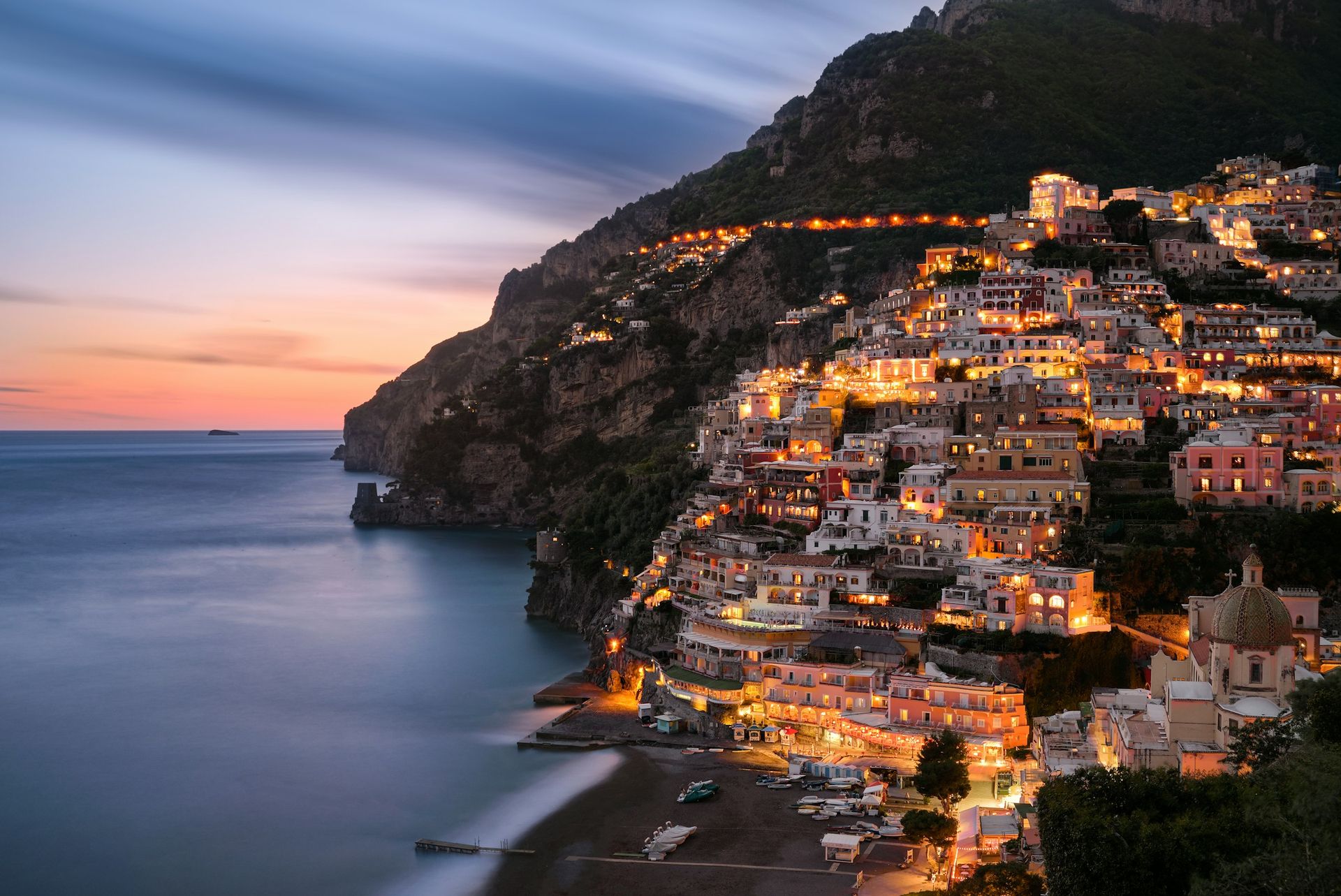
Every Italy town, place and dispatch, on one map.
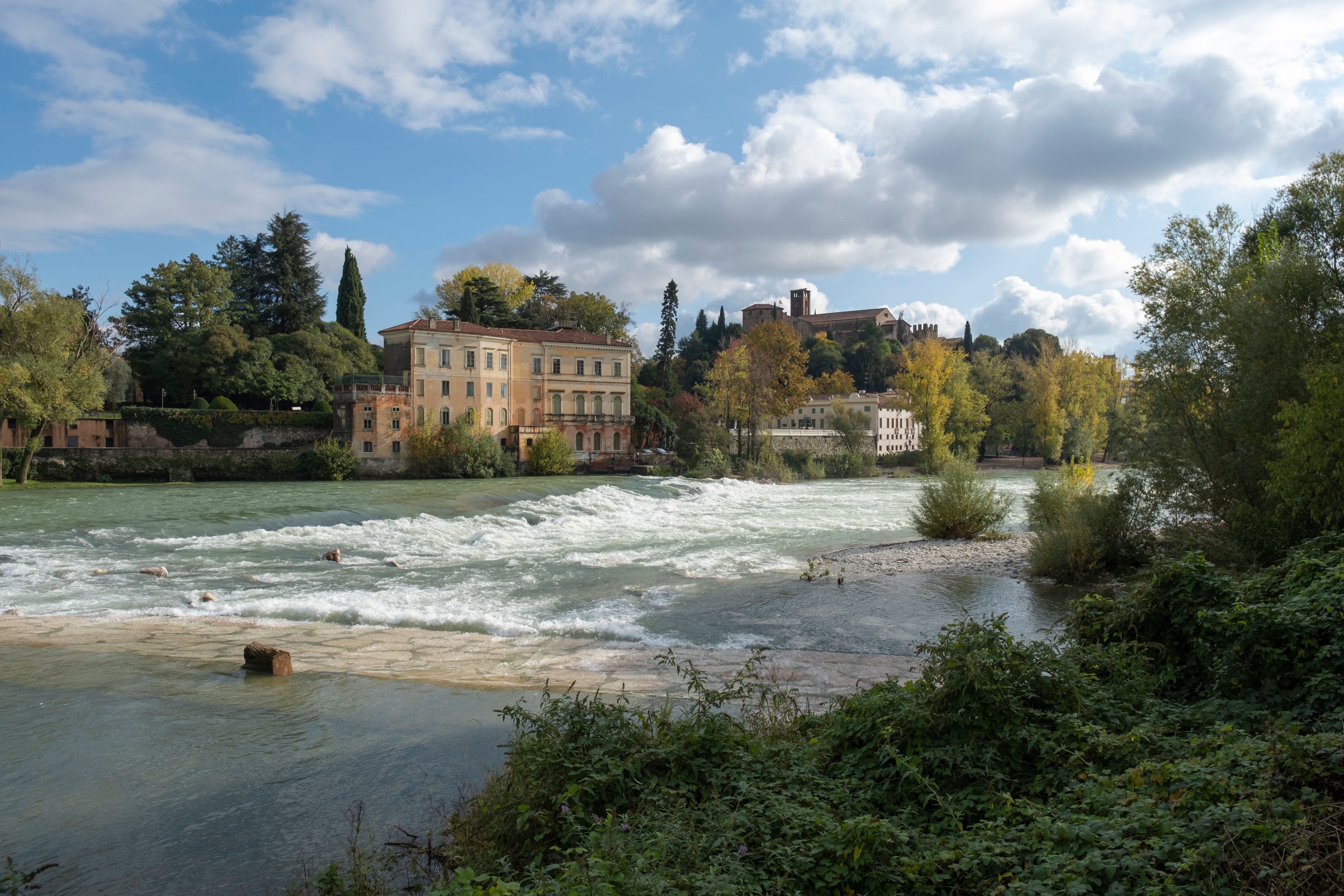
A walled town on the Brenta where it leaves the mountains, under the massif that gave the First World War its Italian front.

The three mountains share a pass but few lifts, so spend each day on one.
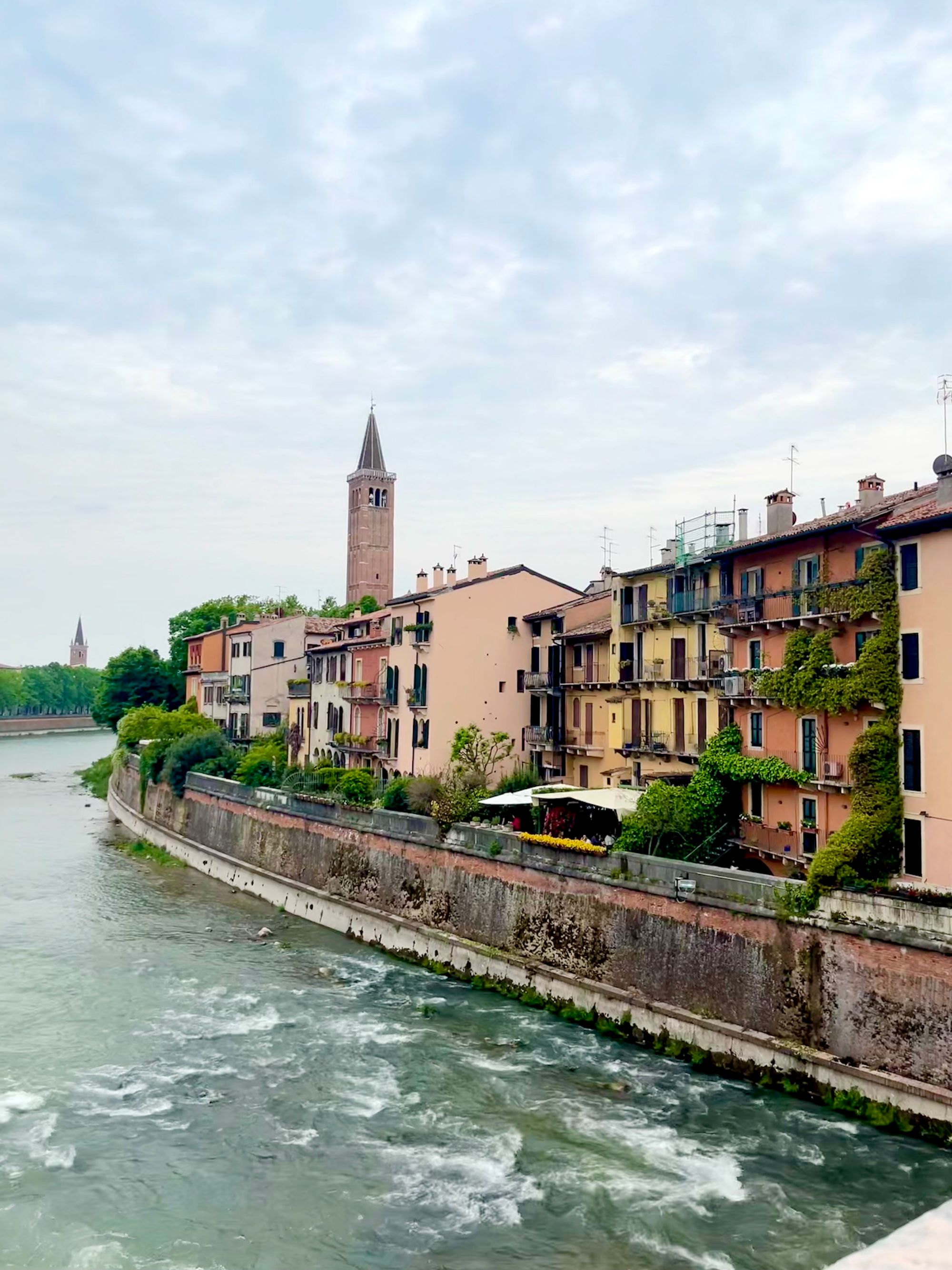
A Roman city in a bend of the Adige, with an intact first-century arena that still stages opera to fifteen thousand people.
Last updated
Every other travel app asks you to start logging. Meridian Dispatch opens with years of your travel already written, from the photographs you already took.