Things to do
10-
Museo Archeologico Nazionale di Napoli
Where nearly everything portable from Pompeii and Herculaneum ended up, along with the Farnese marbles. The mosaics, the bronzes and the Secret Cabinet make it the single most important Roman collection anywhere. It is a long visit and the upper floor is often partly closed.
-
Naples Cathedral
Home of the vial of San Gennaro's blood, whose liquefaction three times a year is watched by the whole city. The fourth-century basilica of Santa Restituta survives inside the later building. The treasury chapel beside the nave is entered separately and holds the reliquary silver.
-
Napoli Sotterranea
Forty metres under the old town, in Greek quarries that became Roman aqueducts and then wartime shelters. Some passages are narrow enough to be taken sideways by candle. Tours run on a fixed timetable through the day and leave from the entrance on Piazza San Gaetano.
-
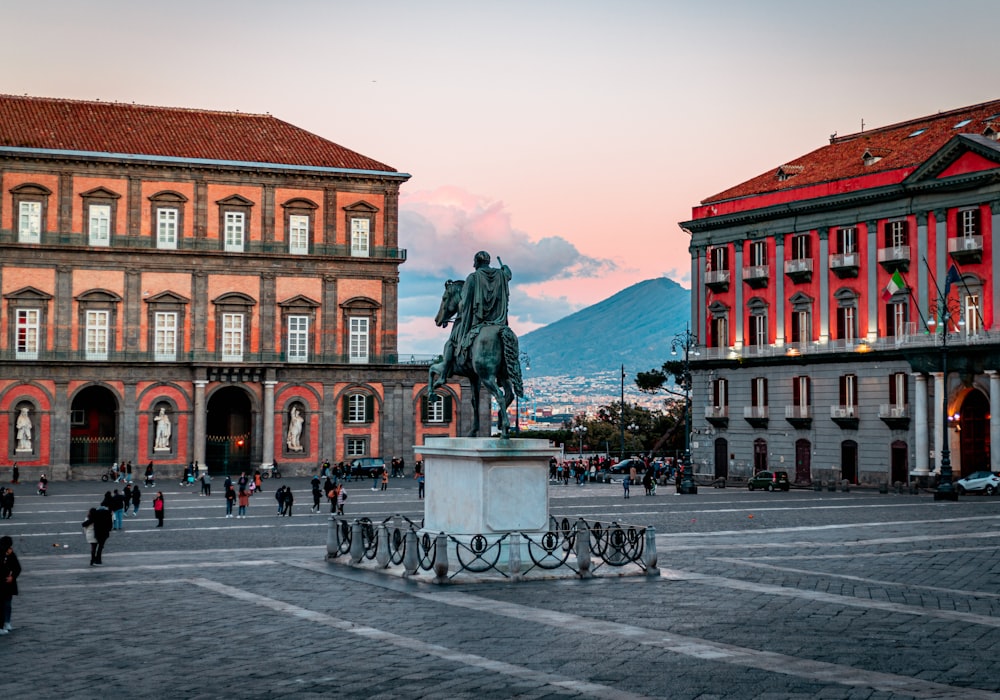
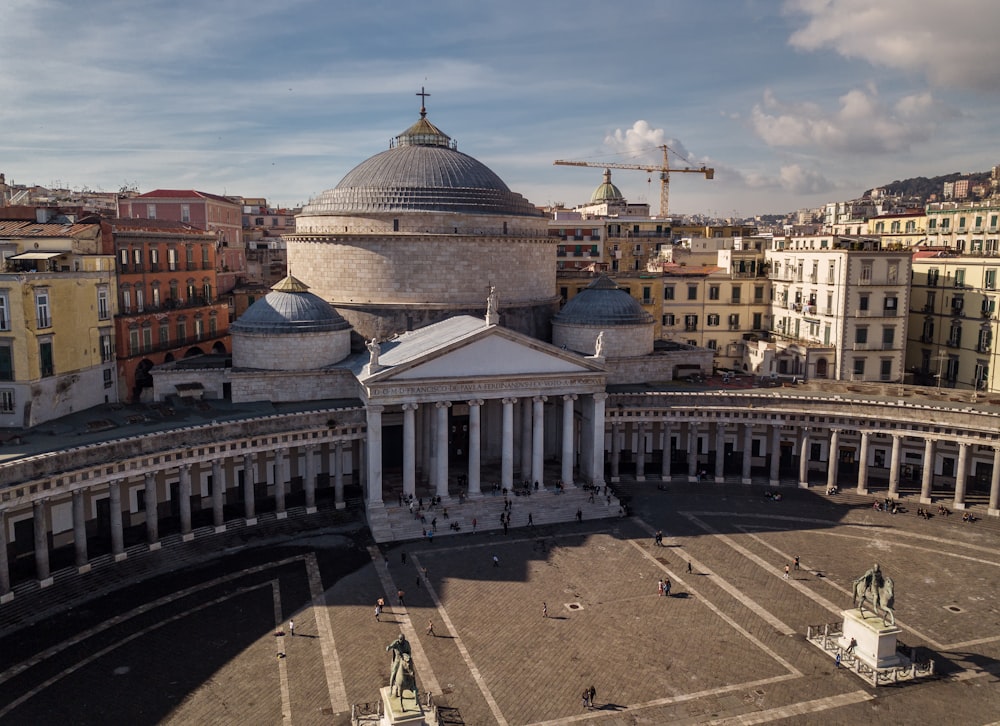
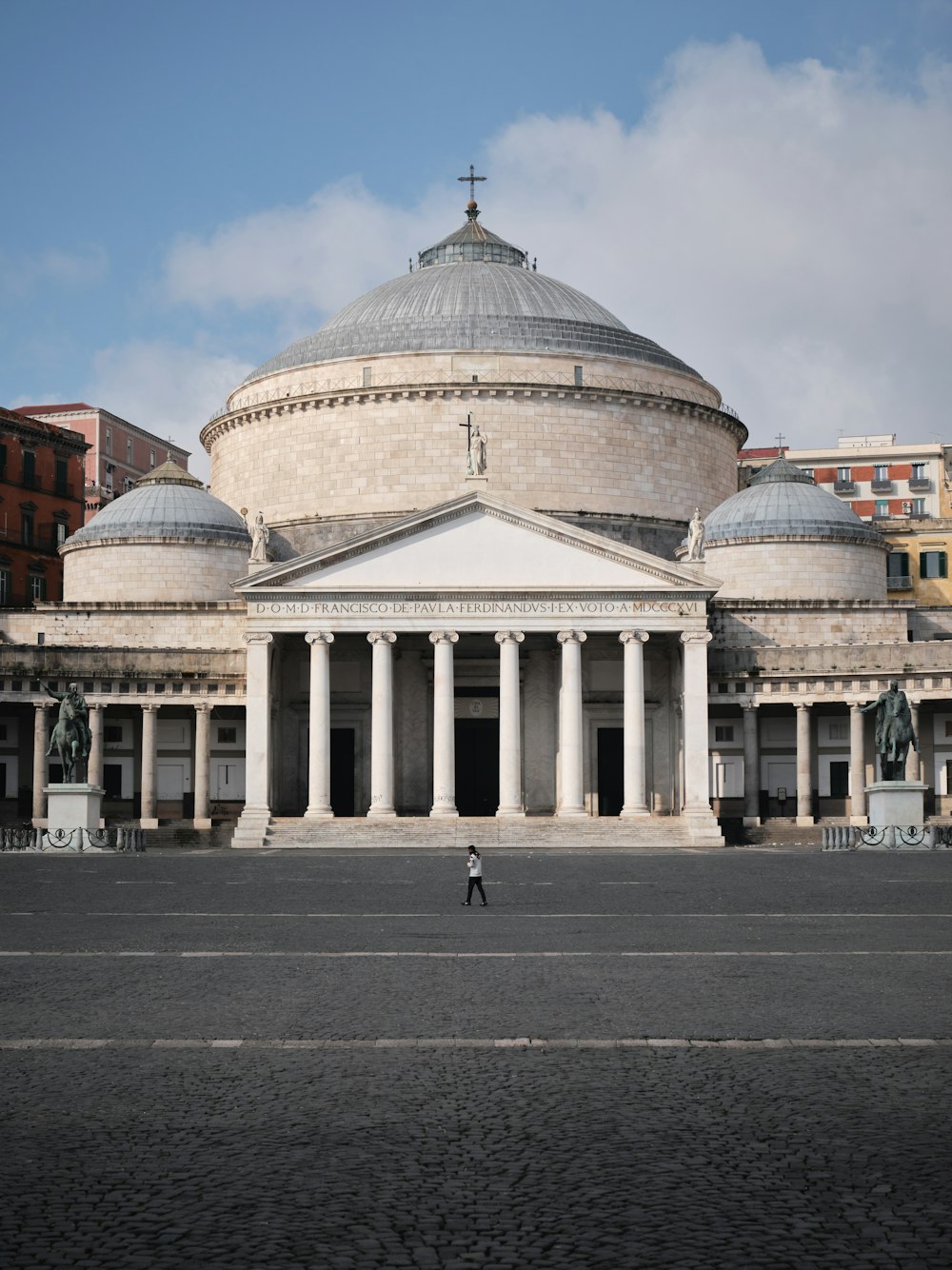
Palazzo Reale di Napoli
The Bourbon royal palace on Piazza del Plebiscito, with the state apartments and a court theatre. The national library is in the same building. The square in front of it is the largest open space in the centre and is closed to traffic through the day.
-
Cappella Sansevero
A small chapel holding the Veiled Christ, carved in 1753 from one block with a shroud that reads as cloth over stone. Entry is timed and the queue outside is constant. It also holds two anatomical models in the crypt below the main floor, which are a separate subject entirely.
-
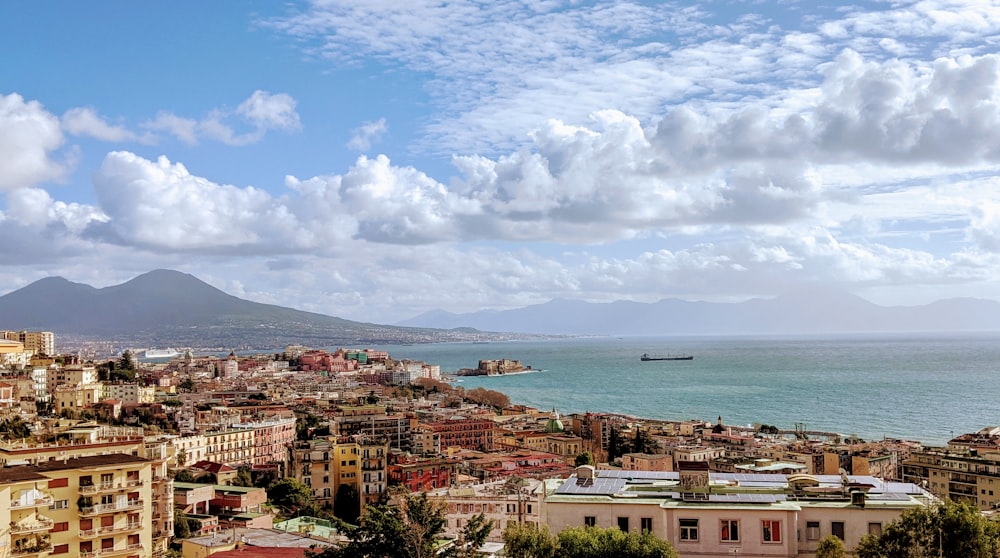
Castel dell'Ovo
The oldest fortification in Naples, on the islet where the Greeks first landed. It is free to walk up to the ramparts and the view runs from Vesuvius round to Posillipo. The causeway out to it starts from the Borgo Marinari restaurants on the shore.
-
Catacombe di San Gennaro
Second-century burial galleries on two levels under Capodimonte, holding some of the earliest Christian painting in southern Italy. They are run by a cooperative of young residents of the Sanita district. Tours leave on the hour from beside the basilica of the Incoronata above them.
-
Certosa di San Martino
A Carthusian monastery on the Vomero ridge, now a museum of Neapolitan art and nativity scenes, with terraced gardens looking over the bay. It is reached by funicular. Castel Sant'Elmo stands beside it and the combined walk up fills an afternoon from the funicular station.
-
Museo di Capodimonte
The Farnese collection in a Bourbon hunting palace above the city: Titian, Caravaggio's Flagellation, Parmigianino, in a park that stays open free. The park above the city is free and open daily, and the museum is reached by bus from the centre in about half an hour.
-
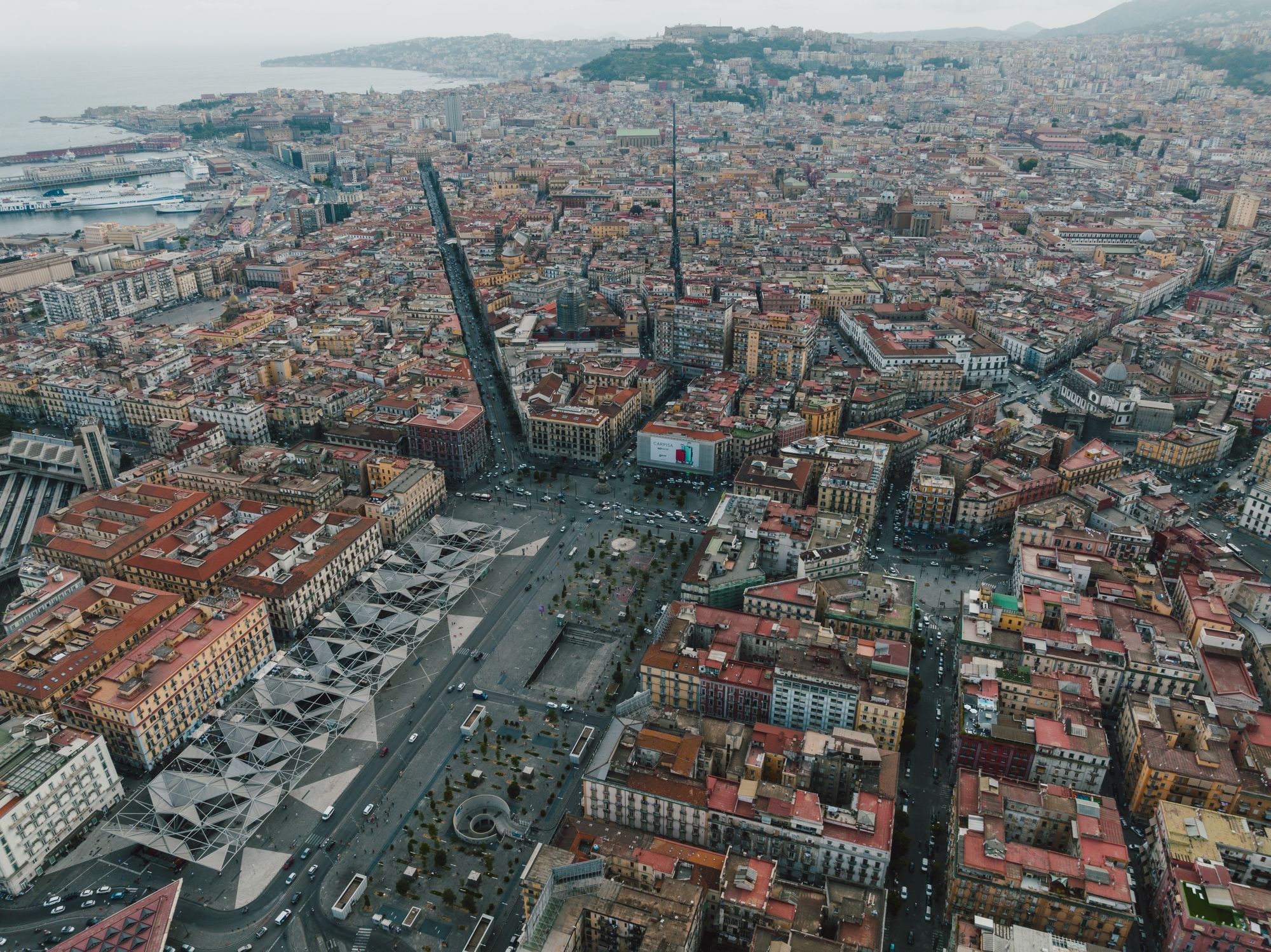
Spaccanapoli
The dead straight Greco-Roman street that splits the old town, still the spine of daily life here. It is the walk that explains the city. It runs from Via Toledo east to the Forcella quarter and takes about an hour end to end at a slow pace.