Things to do
7-
Basilica di Sant'Antonino
The church of Sorrento's patron saint, holding a crypt lined with votive paintings left by sailors who survived storms. The whale bones in the entrance are said to come from a creature the saint delivered a child from. The church sits on its own small square off the main street.
-
Chiostro di San Francesco
A fourteenth-century cloister with crossed arches on two sides, planted with bougainvillea and wisteria. It is free, it takes ten minutes, and it is used for concerts through the summer. It stands next to the public gardens on the cliff edge and is signed from the main square.
-
Grand Hotel Excelsior Vittoria
Open since 1834 on the cliff directly above Marina Piccola, still owned by the founding family, with two hectares of citrus garden behind it. Caruso died in the suite that now carries his name. A private lift cuts down through the cliff to the harbour below.
-
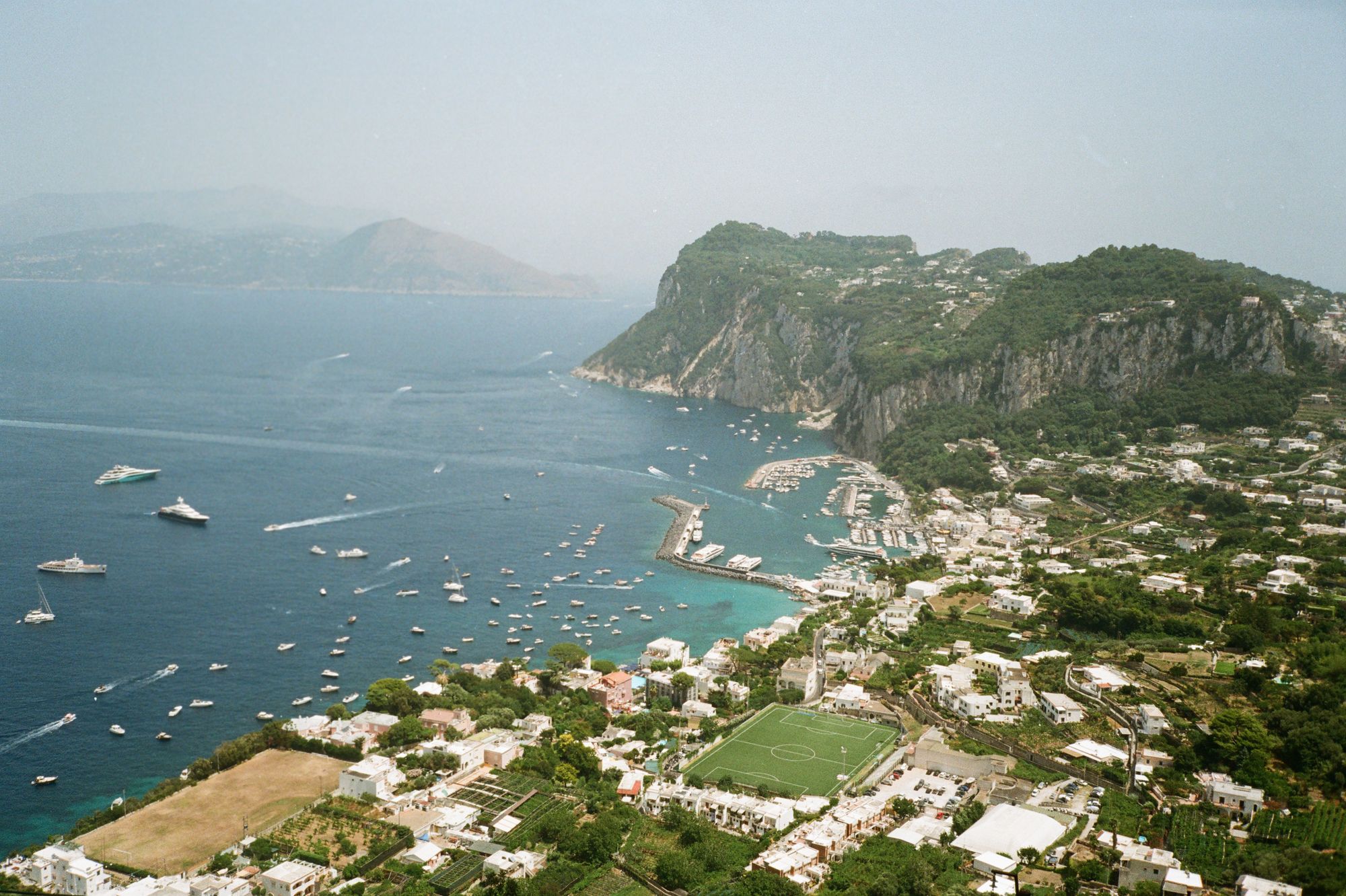
Marina Grande
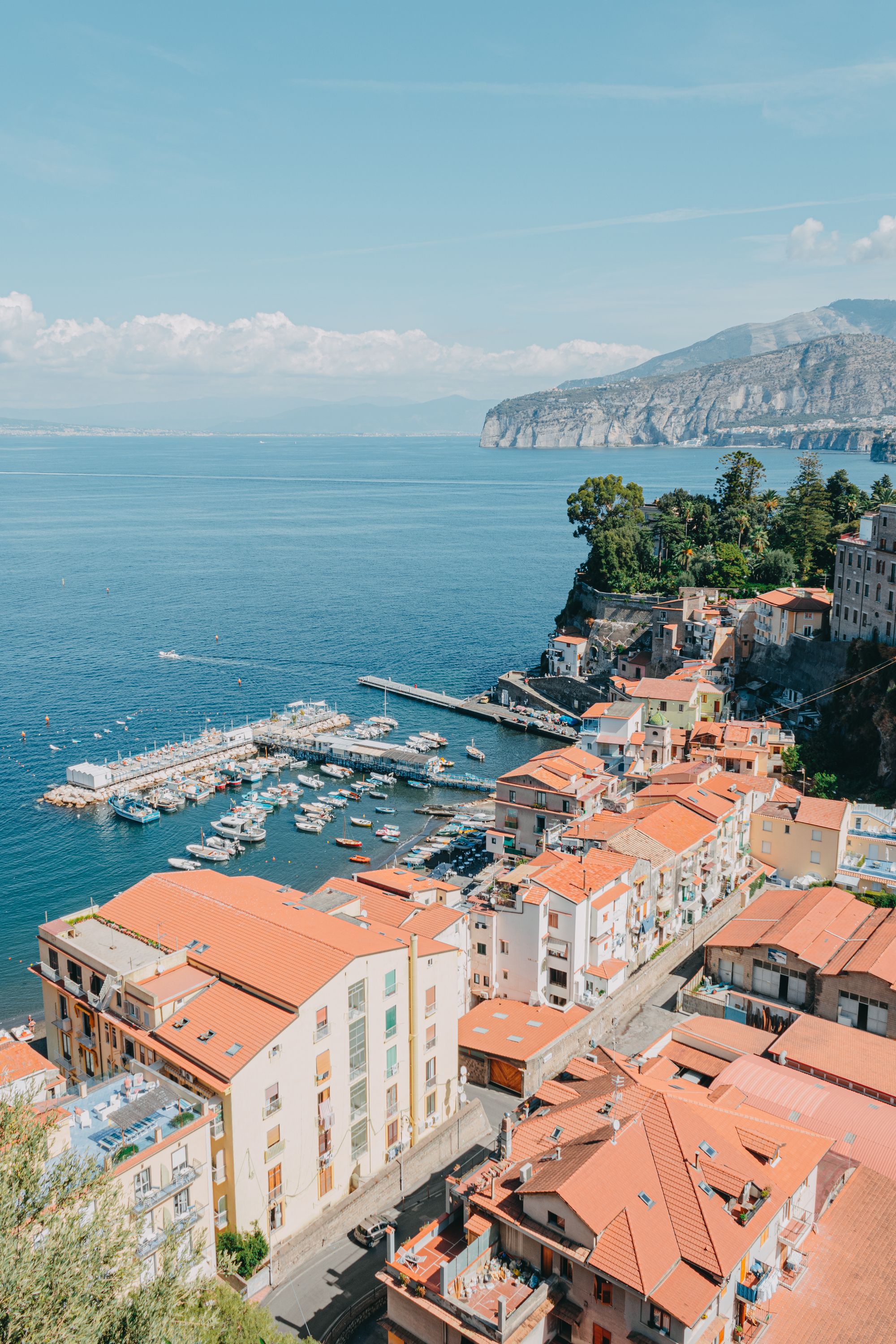
The old fishing harbour below the cliffs, still a working quay with boats pulled up on it, reached by steps down from the town. It is where the ferries to Capri and Naples leave. Restaurants sit on the water at the far end and the swimming is off the rocks beside them.
-
Museo Correale di Terranova
A patrician villa holding Neapolitan painting, inlaid Sorrentine woodwork and porcelain, with a garden running out to a belvedere over the bay. It is consistently the least crowded thing in Sorrento. It opens on a morning schedule, closes on Mondays, and the garden walk at the end is the part to leave time for.
-
Sedil Dominova
An open fifteenth-century loggia with a frescoed dome, standing on a corner of the old town where the nobility once met to govern. It is now a working men's club and is looked at from the street. It stands on the corner of Via San Cesareo in the old grid.
-
Vallone dei Mulini
A flour mill abandoned in the early twentieth century, sitting at the bottom of a deep cleft in the middle of town and now overtaken by ferns. It is viewed from the railing on Piazza Tasso, and the floor of the cleft is closed. Plans to open a path down have come and gone for decades.