Things to do
6-
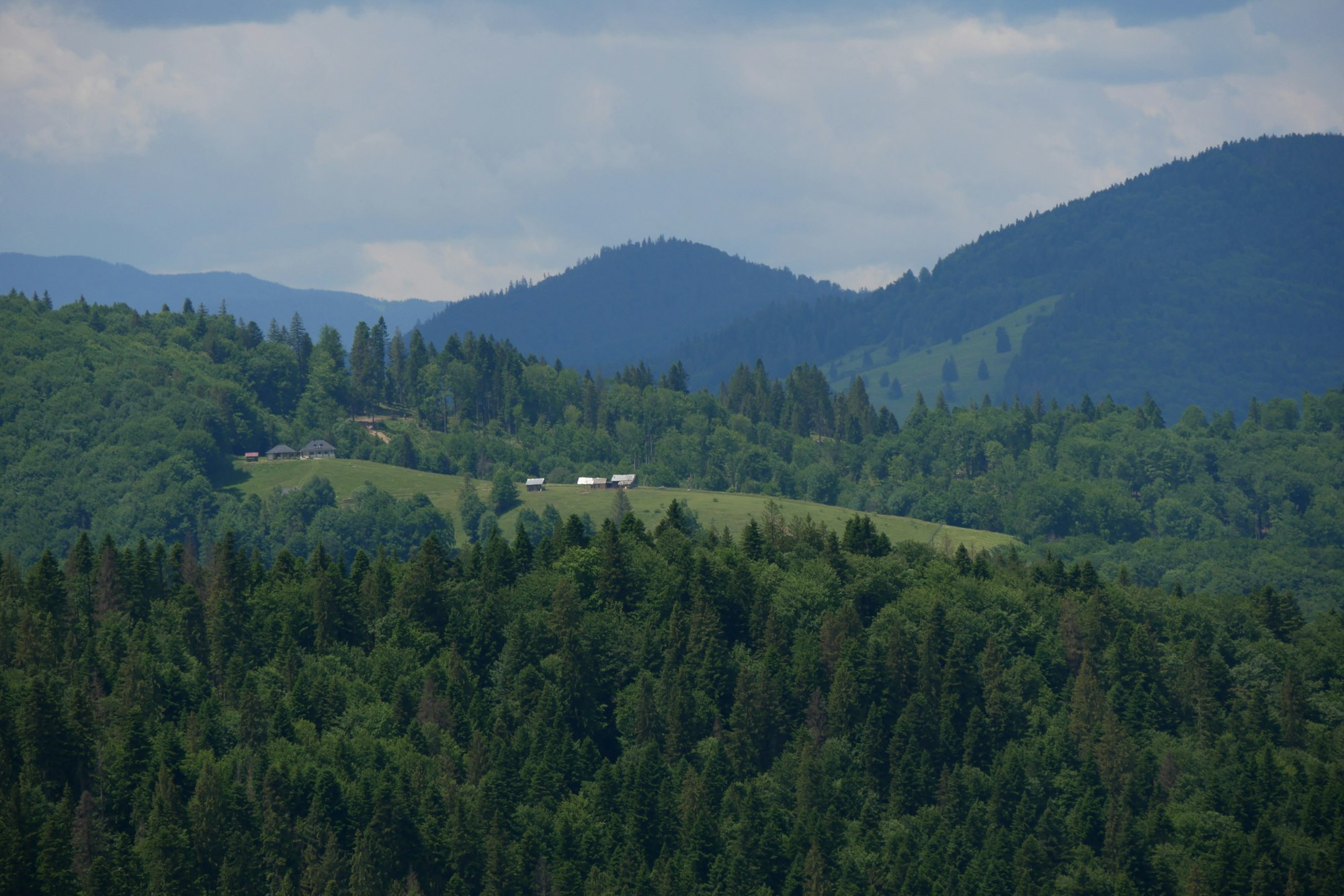
Humor Monastery
A church of 1530 painted in 1535, on the UNESCO list, with a reddish ground rather than Voroneț's blue and an open porch that lets weather onto the paint. The siege of Constantinople on the south wall is dressed as a sixteenth century battle.
-
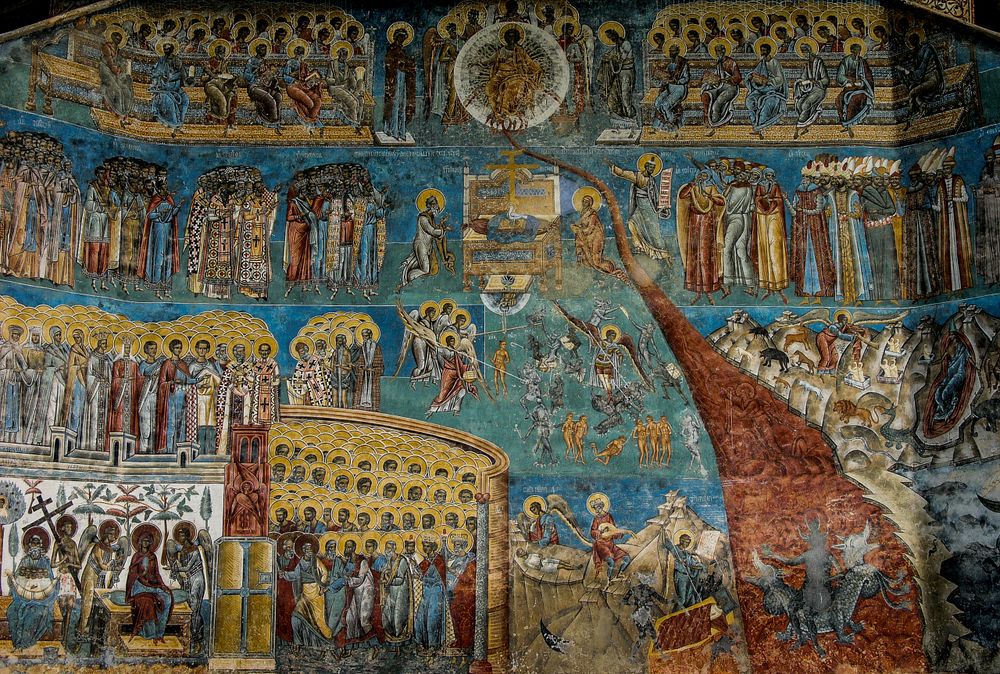
Voroneț Monastery
The church of 1488, painted outside in 1547, whose Last Judgement covers the entire west wall against a blue so particular that the colour carries the monastery's name. It is on the UNESCO list and it is the one every visitor sees. The west wall is at its clearest in morning light.
-
Arbore Church
A small church of 1503 built by a boyar rather than a prince, painted in 1541 with a green ground, on the UNESCO list. Its west wall holds scenes from Genesis and it has no tower, which is unusual for the group.
-
Moldovița Monastery
A fortified monastery of 1532 with painting of 1537, on the UNESCO list, holding the best preserved siege of Constantinople of the group and a throne left by Petru Rareș. It is twenty six kilometres over a low pass, inside a walled precinct with a gate tower, and is usually paired with Sucevița.
-
Putna Monastery
The monastery founded by Stephen the Great in 1466 and holding his tomb, which makes it a national site as much as a religious one. It is unpainted outside, and the museum keeps embroidery and manuscripts from his reign, including an embroidered portrait of his wife.
-
Sucevița Monastery
The last and largest of the painted churches, finished in 1596 inside a walled precinct with corner towers, on the UNESCO list. Its Ladder of Virtue on the north wall is the most complete version of the subject anywhere, and the west wall was left unpainted.