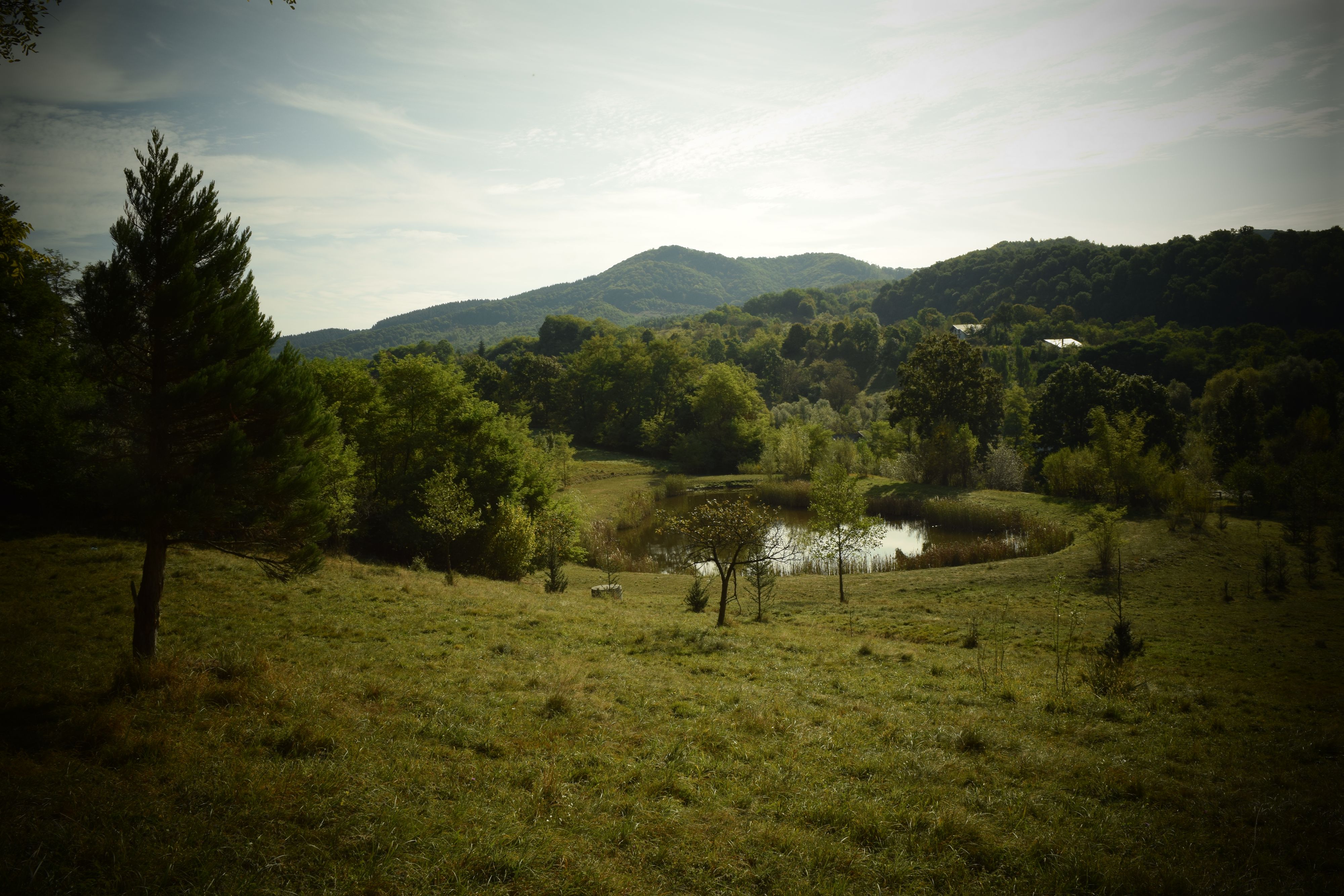
Things to do
6-
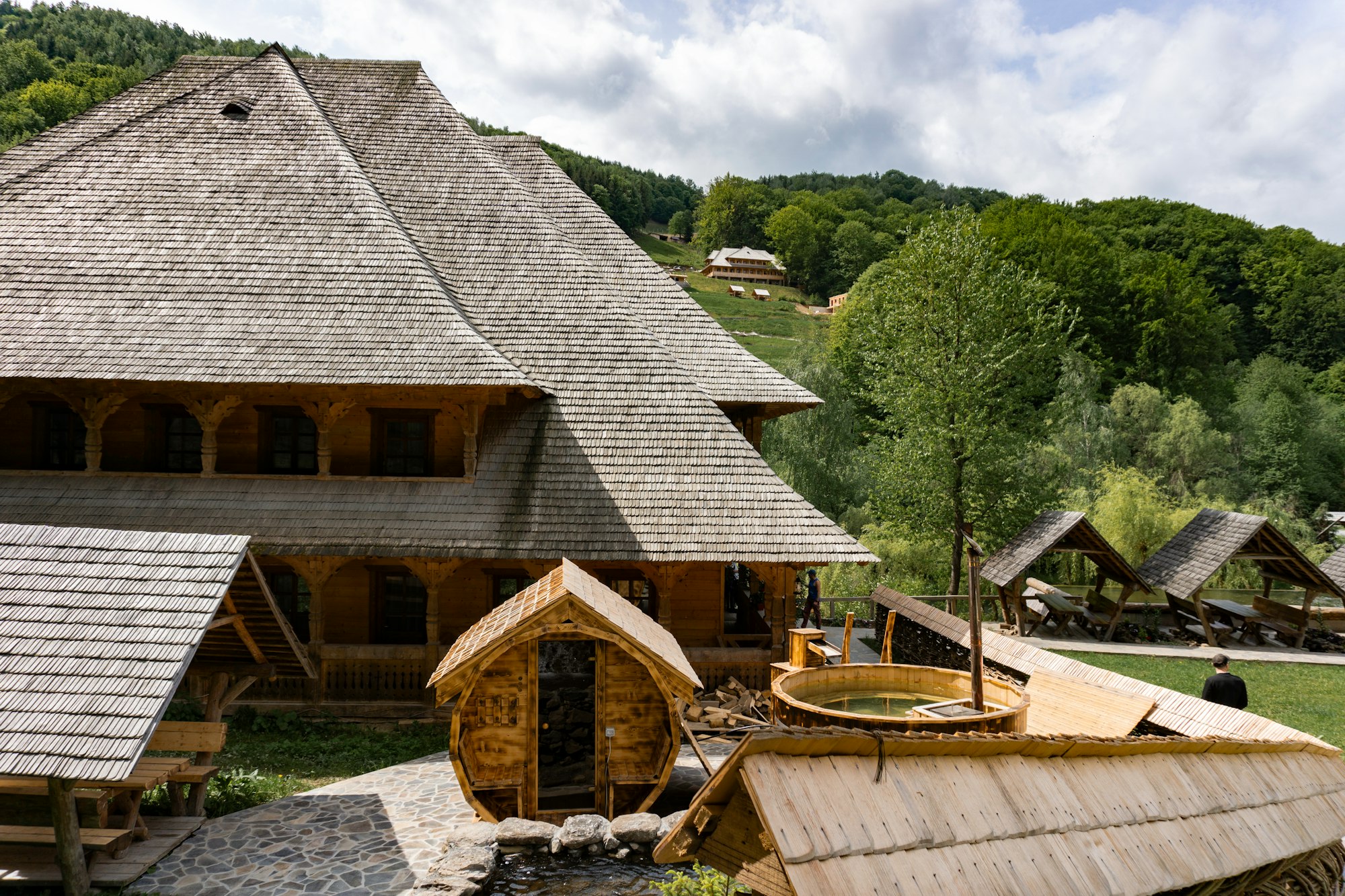
Maramureș Village Museum
An open air collection on the Dobăieș hill holding about thirty homesteads, two wooden churches and the gates and barns that go with them, moved from villages across the county. It is the compact version of what the valleys hold.
-
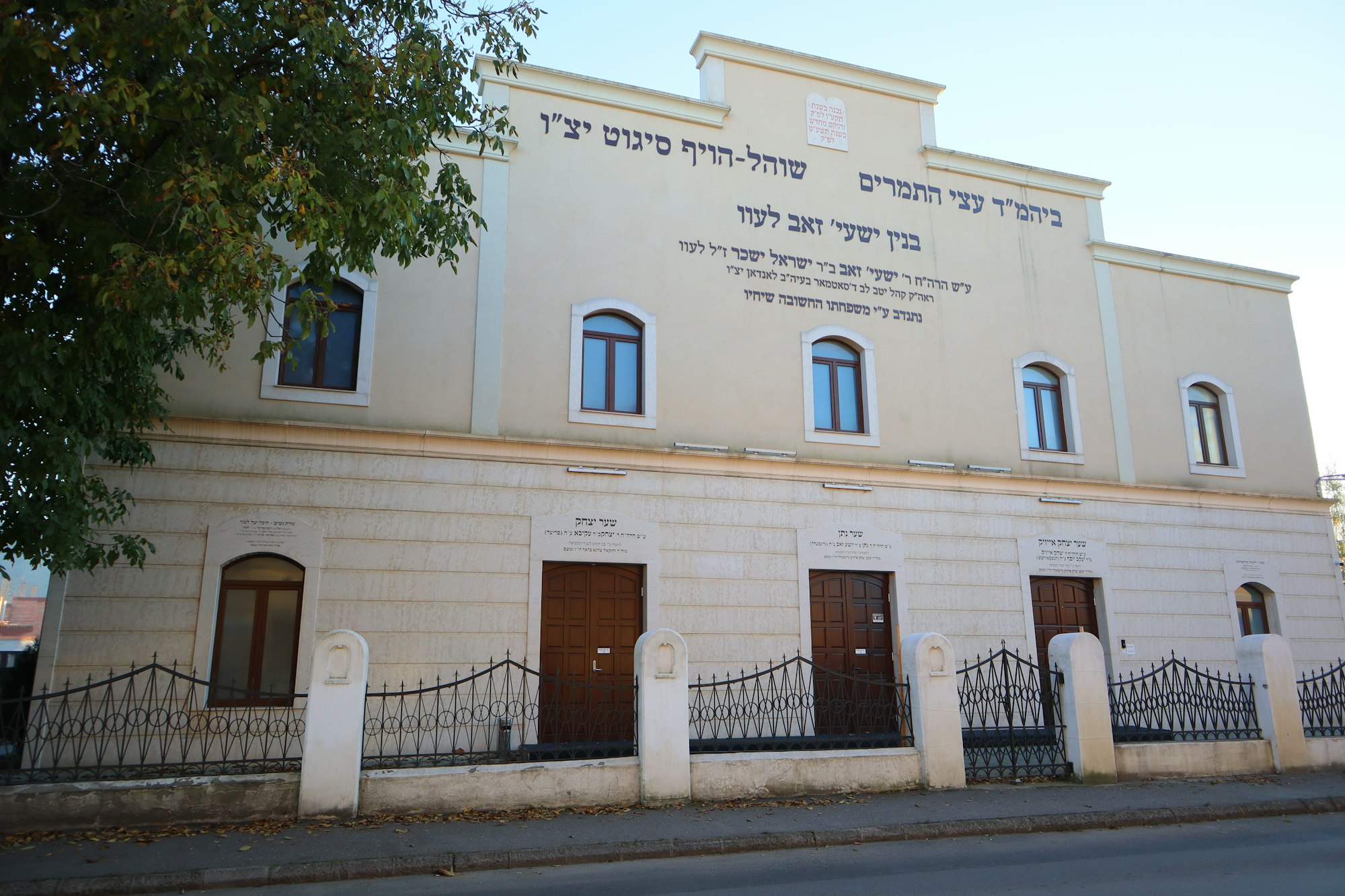
Sighet Synagogue
The one synagogue of eight left standing in a town that was more than a third Jewish before the deportations of May 1944. It is still in use by a very small community, stands a few streets from the memorial museum, and is opened by the caretaker on request.
-
Bârsana Wooden Church
Head for the small wooden church alone on the cemetery hill, not the monastery along the road. The church is the UNESCO listing; the monastic complex, begun in the nineteen nineties, is a separate and much busier place.
-
Ieud Deal Wooden Church
The oldest wooden church in Maramureș, dated to about 1364 by tradition and to the 1600s by dendrochronology, on the UNESCO list, standing on a hill above the village with its painted interior intact. It is eighteen kilometres up the valley from Bârsana, and the walk from the road takes ten minutes.
-
Poienile Izei Wooden Church
A church of 1604 on the UNESCO list, holding the most complete Last Judgement painting in Maramureș, with punishments matched to specific sins along the north wall. The village lies eight kilometres from Bârsana, and the church sits on a slope above it behind a shingled gate.
-
Sighet Memorial
The former political prison, opened as a museum of the victims of communism in 1993, with each cell given to a subject and the names of about eight thousand dead cut into a wall in the courtyard. It is one of the most serious museums in the country and it is not quick.