Things to do
10-
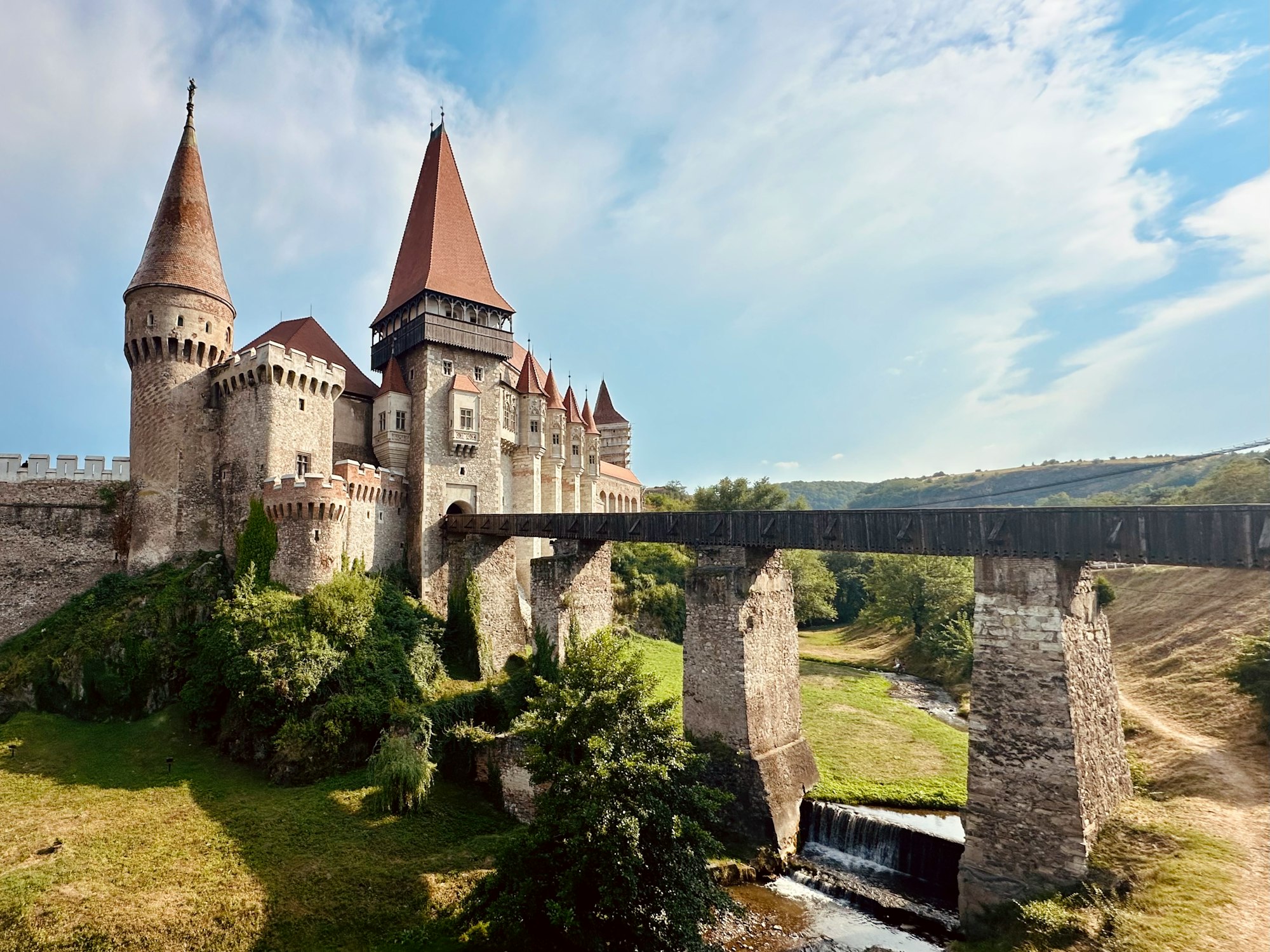
Corvin Castle
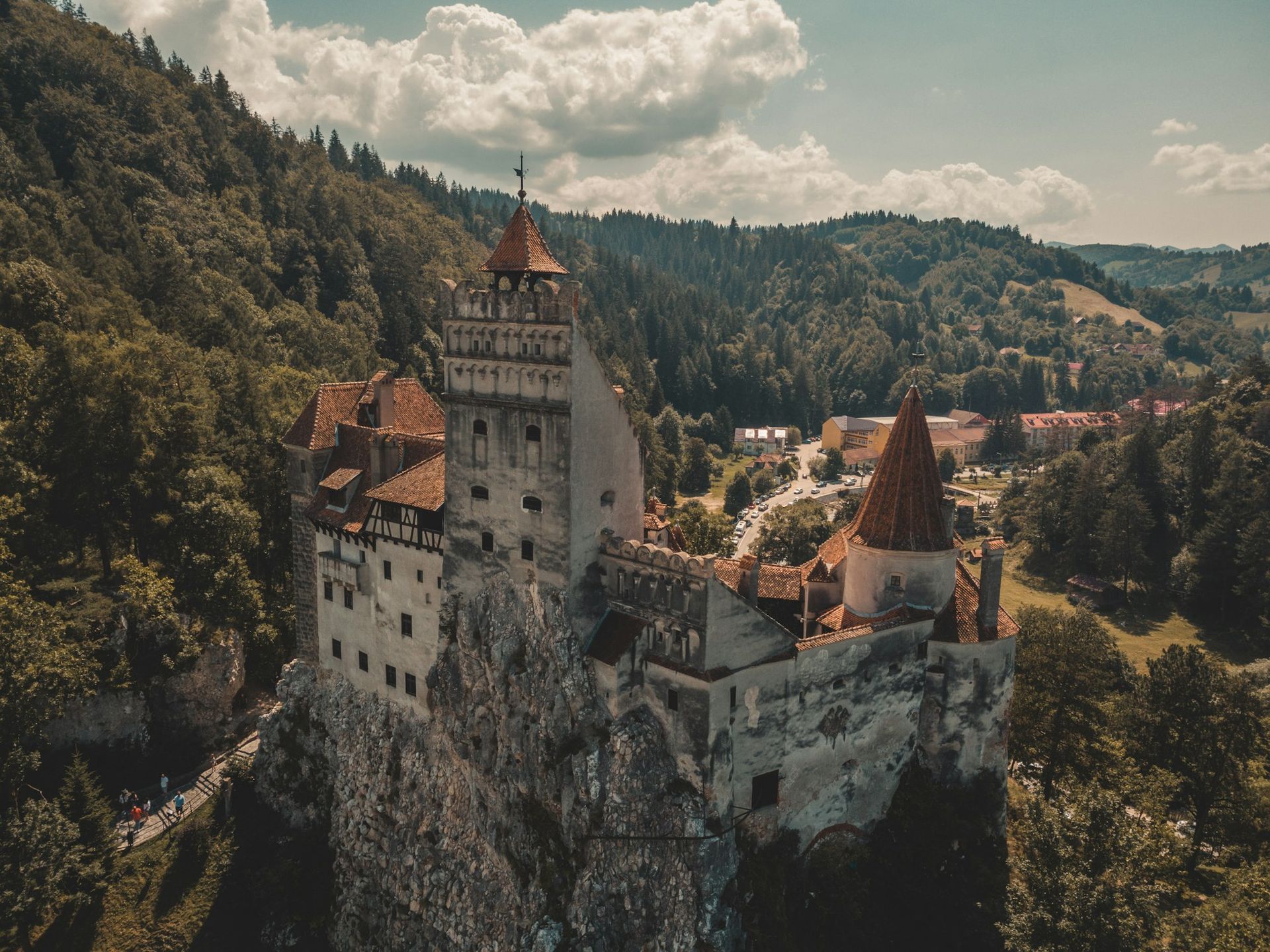
The largest gothic castle in the country, built from the 1440s by John Hunyadi on a rock above the Zlaști, with a long timber bridge on stone piers as its only approach. The knights' hall, the council hall and the well the Ottoman prisoners are said to have dug over fifteen years are the set pieces.
-
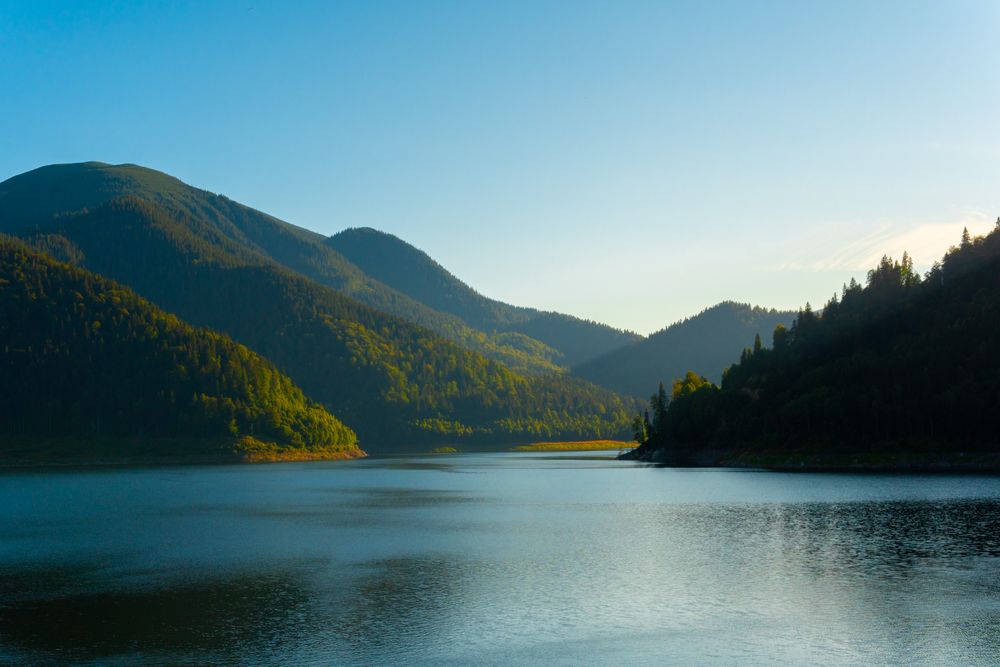
Retezat National Park
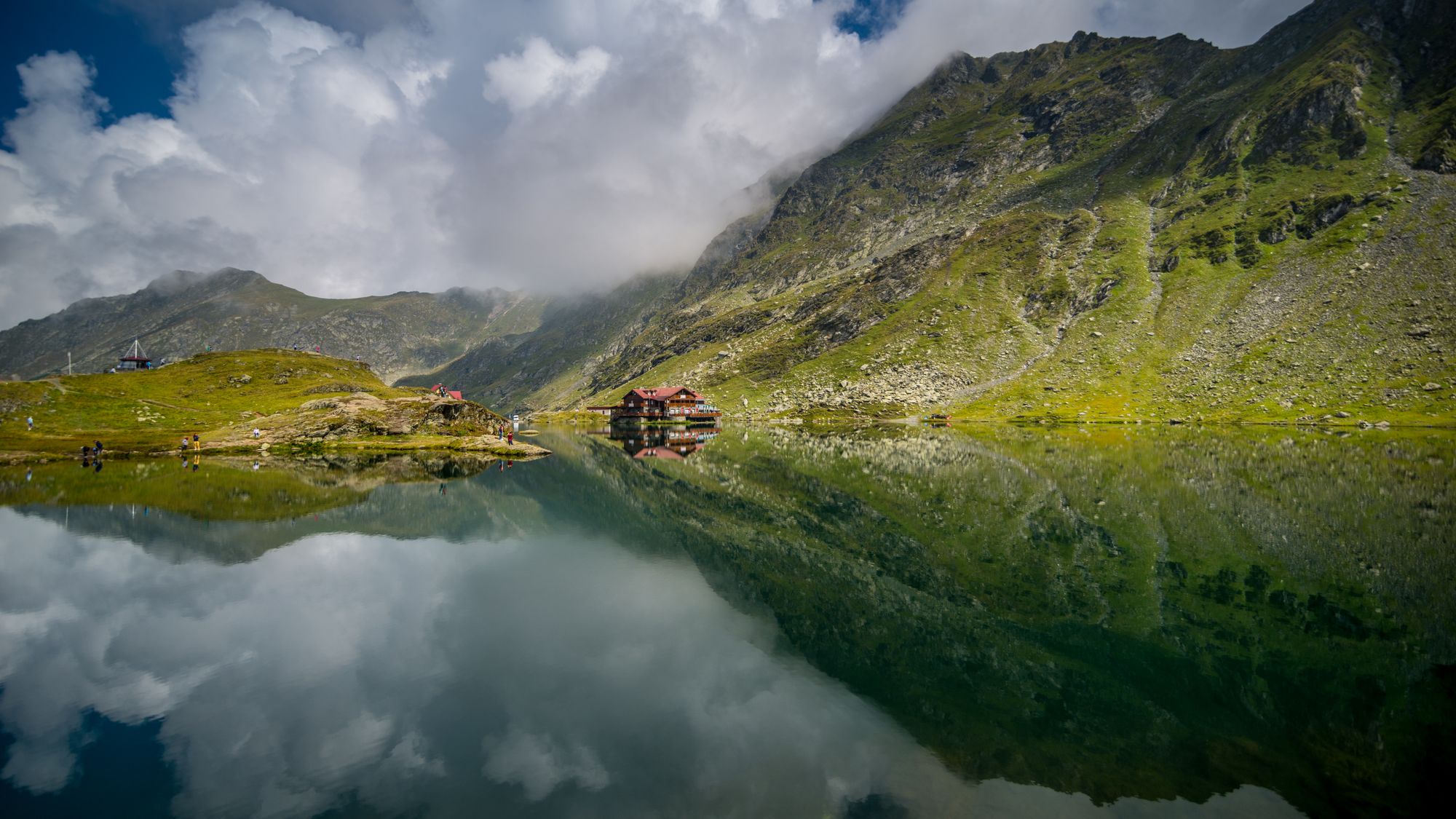
The country's first national park, declared in 1935, holding about eighty glacial lakes above 1,800 metres including Bucura, the largest in the Carpathians. A core reserve is closed to walkers and the rest needs two days to reach properly. The usual approach is from Cârnic above Nucșoara.
-
Costești-Blidaru
The strongest of the outlying fortresses, two enclosures on a spur with a tower keep, built to hold the valley road and never meant to be lived in. The climb is about an hour through beech forest, and the walls are laid in the Dacian technique of dressed blocks and timber.
-
Costești-Cetățuie
The first of the Dacian fortresses on the way up, a hill fort with two towers built in the murus dacicus technique of dressed stone facing a rubble core tied with timber beams. It is the easiest of the six to reach.
-
Densuș Church
A stone church of about 1300 built almost entirely from material carried up from Ulpia Traiana, with Roman funerary altars used as columns and a lion still lying on the roof. Services are still held in it. It is eight kilometres from Hațeg and the interior is dark, so a bright day helps.
-
Deva Citadel
A thirteenth century fortress on a 371 metre volcanic cone, blown up in 1849 when its powder magazine went, and consolidated as a ruin. The lift takes three minutes and the walk takes forty. The view runs the length of the Mureș valley, and the lift closes in high wind.
-
Magna Curia
The Renaissance and later Baroque residence at the foot of the citadel hill, built in 1621 for Gábor Bethlen and now the county museum of Dacian and Roman archaeology. Its garden holds carved stones from Ulpia Traiana, and it is entered from the park at the foot of the lift.
-
Prislop Monastery
A monastery founded in the fourteenth century in a wooded side valley, rebuilt several times, and now one of the most visited pilgrimage sites in the country because of the grave of Arsenie Boca. Expect queues on saints' days. It lies on the road towards Hunedoara and the grave is behind the church.
-
Sarmizegetusa Regia
The capital of the Dacian kingdom at 1,200 metres in the Orăștie mountains, taken by Trajan in 106 and never rebuilt. A paved sacred precinct holds circular and rectangular sanctuaries and the andesite sun disc, and the site is reached on foot from the road head.
-
Ulpia Traiana Sarmizegetusa
The Roman capital of Dacia, founded about 108 and named for the Dacian capital its legions had just destroyed, with a forum, an amphitheatre for five thousand and a temple precinct outside the walls. It sits in open fields and is walked rather than toured.