Things to do
34-
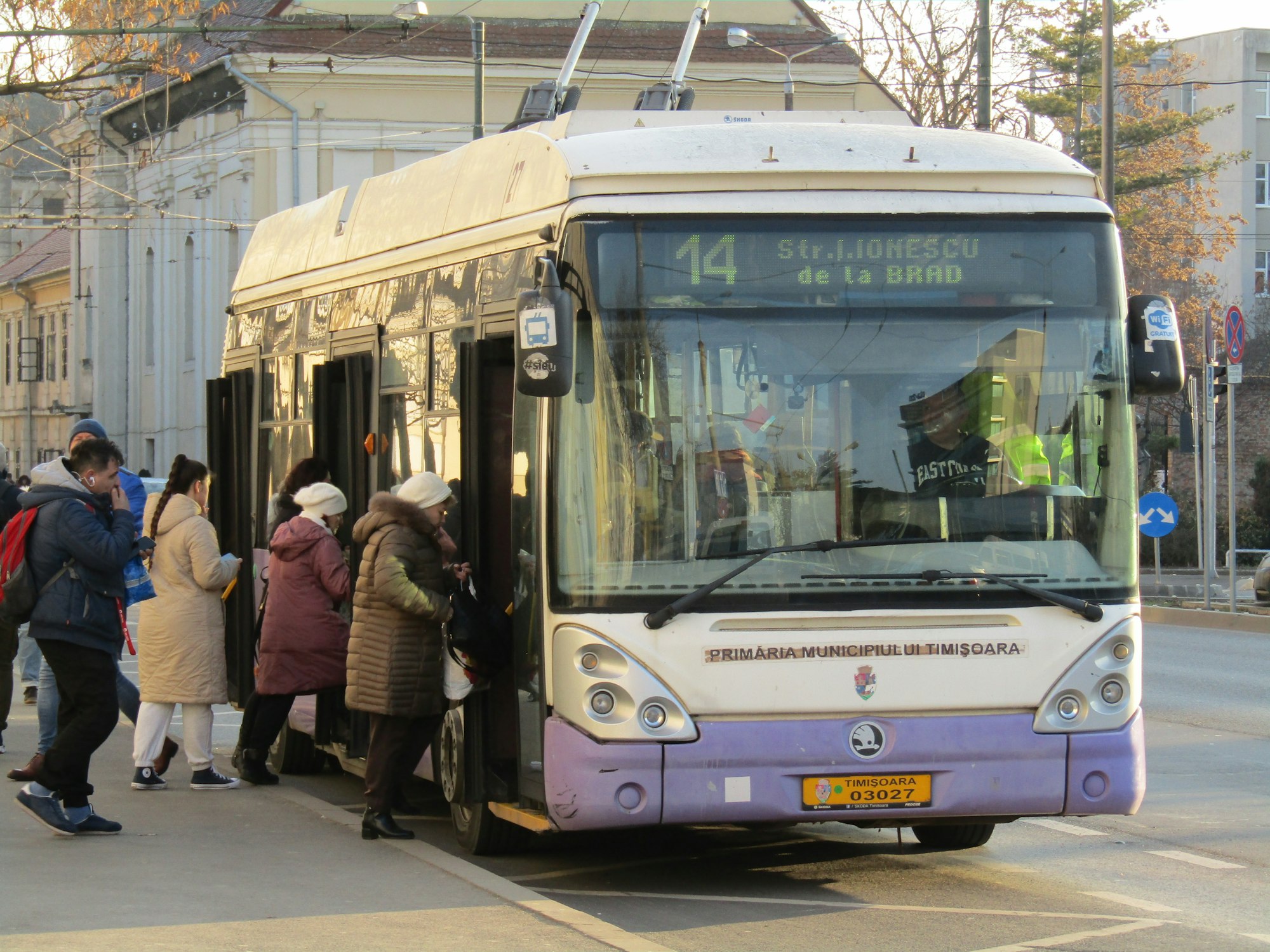
Corneliu Miklosi Public Transport Museum
A tram depot turned museum, holding the city's own trams and the horse-drawn cars that came before them. Timișoara ran the first horse tramway in what is now Romania.
-
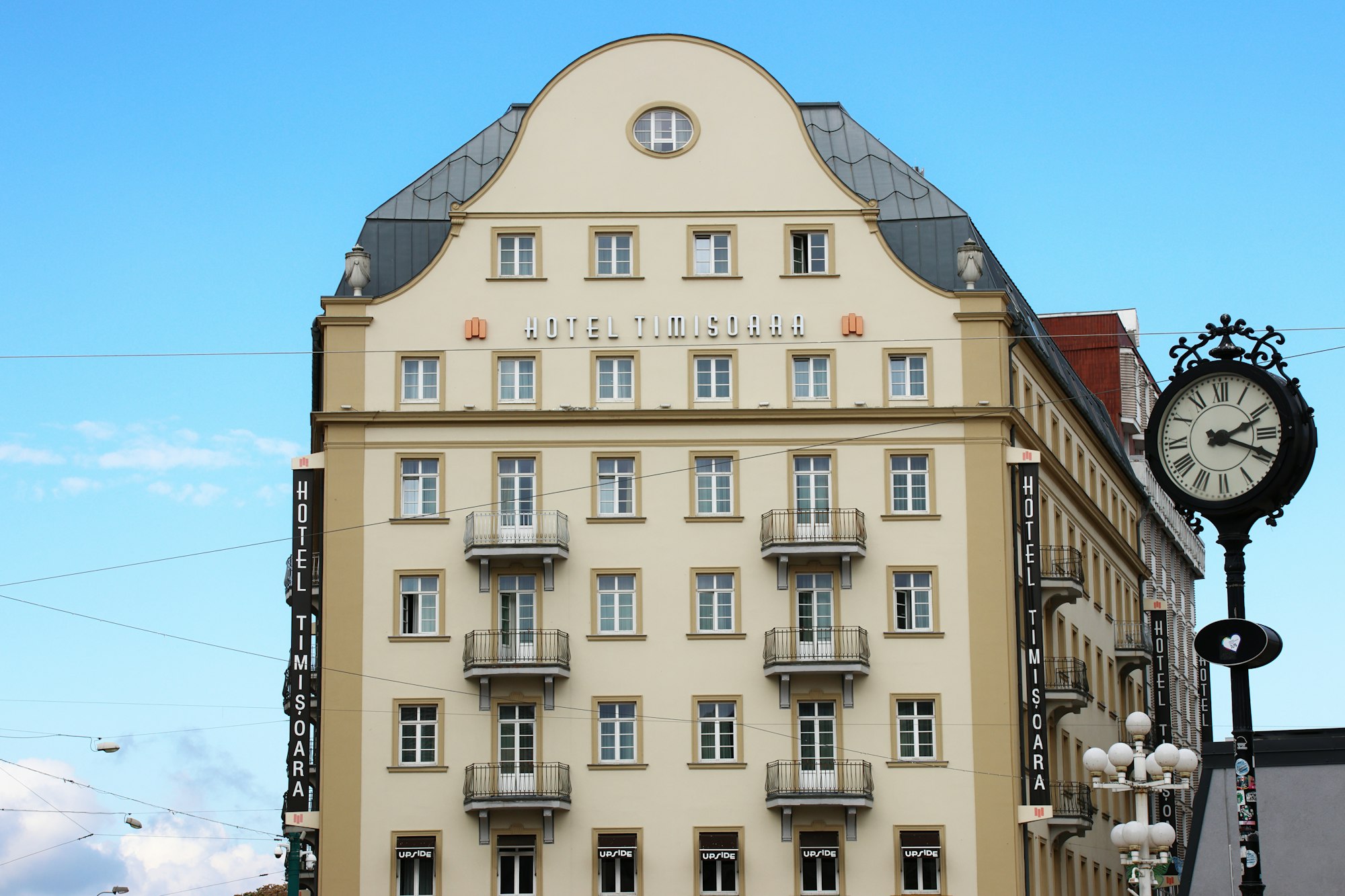
Hotel Timisoara
A large hotel on Victory Square with the opera at one end of the view and the Orthodox cathedral at the other, which is the whole city in one window.
-
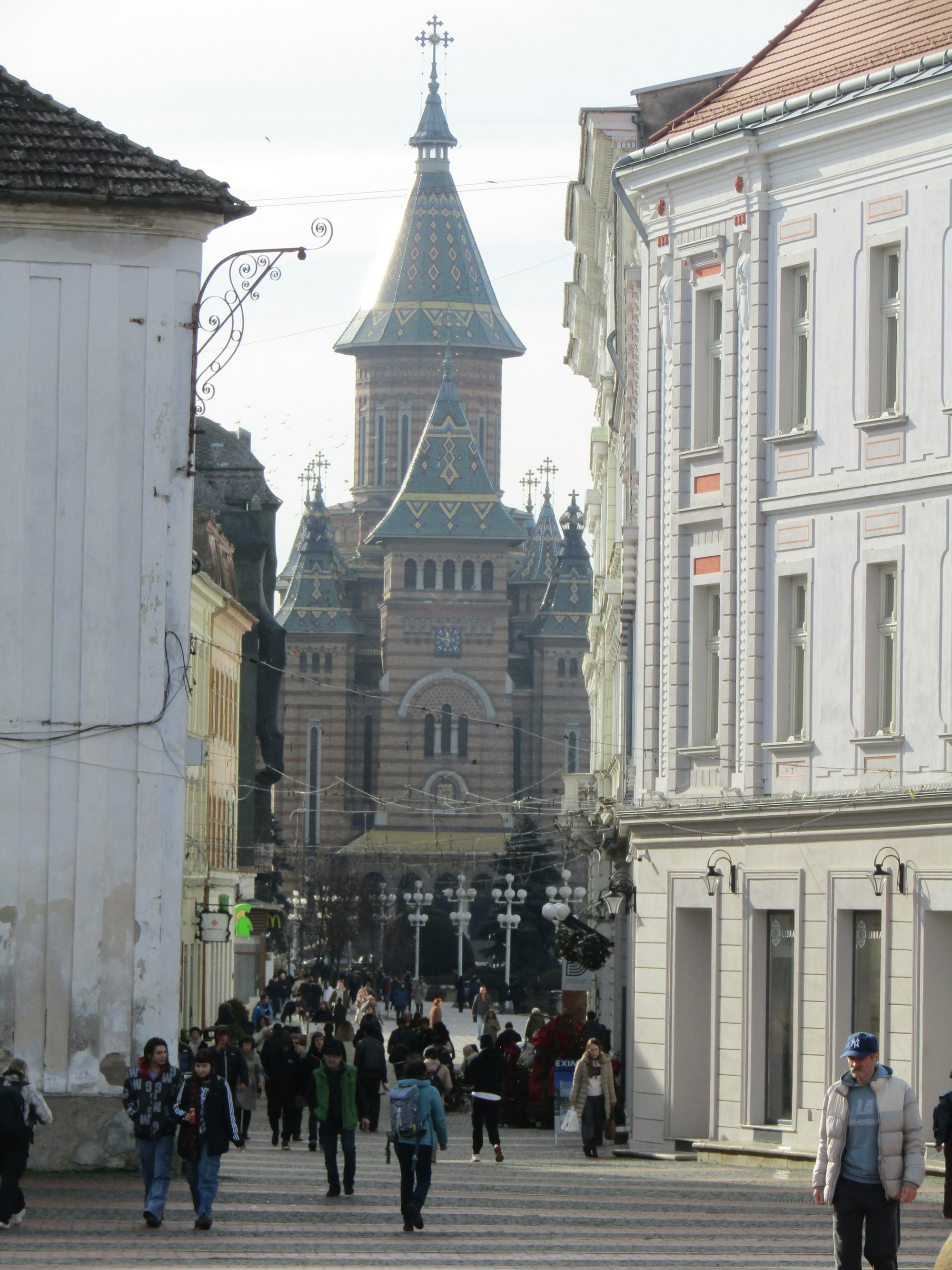
Timișoara Orthodox Cathedral
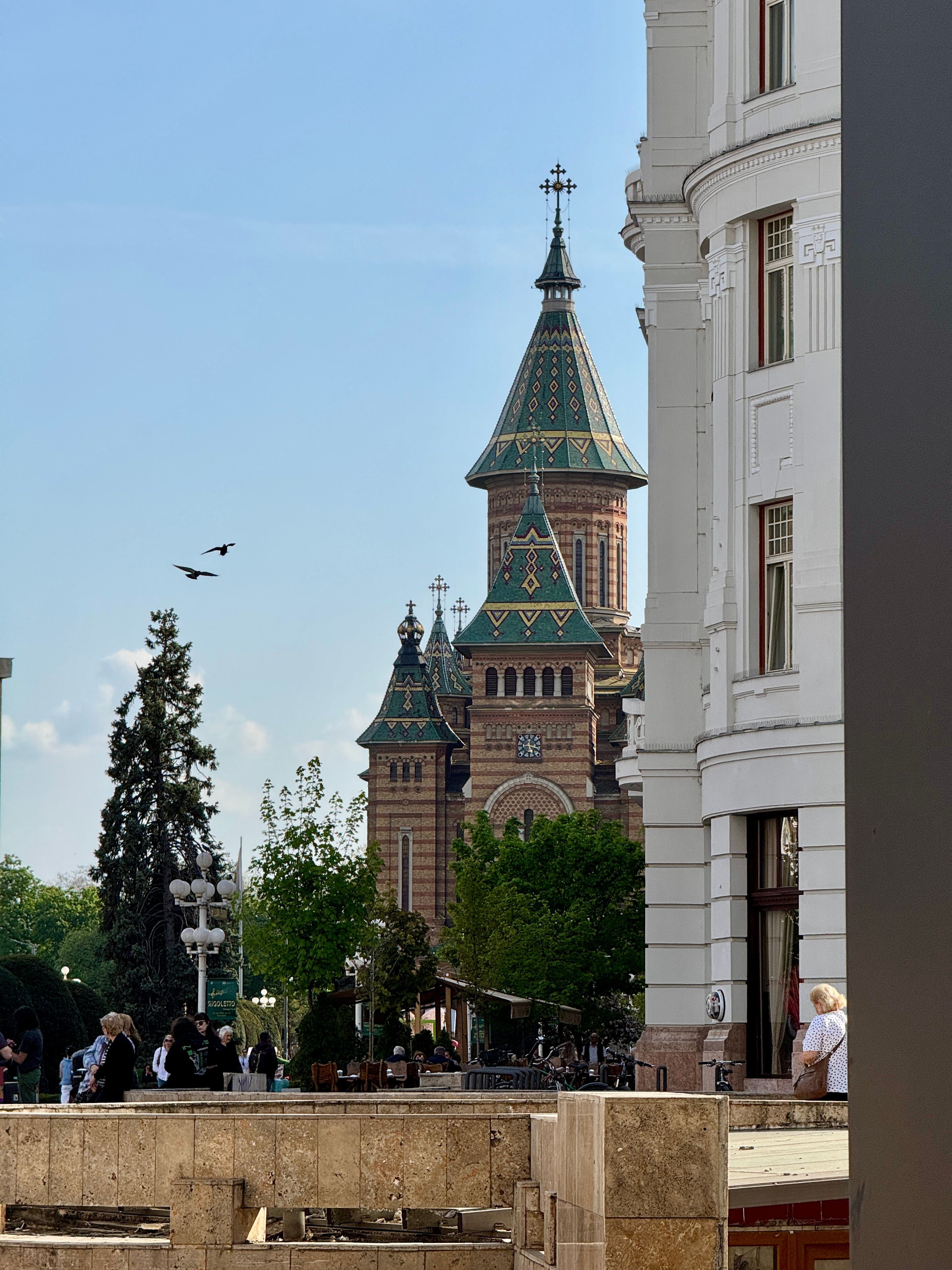
The metropolitan cathedral of 1946, in a Moldavian revival with eleven towers and a roof of glazed tile, closing the south end of Victory Square. Protesters were shot on its steps in December 1989, and the crypt below holds a memorial to them.
-
Administrative Palace
The county headquarters, a 1930s block on the western side of the centre, and the seat of the first free local government in the country in December 1989.
-
Anton Scudier Central Park
The oldest park in the city, laid out in 1850 on the glacis, with the military cemetery and the mausoleum of the 1989 dead at one end.
-
Banat Village Museum
An open air museum in the Green Forest north west of the city, holding farmsteads, a wooden church and workshops moved from villages across the Banat.
-
Baroque Palace
The former county palace of 1754 on Union Square, now the art museum, holding the Corvin collection and a room of Constantin Brâncuși's early work. It faces the Serbian cathedral across the square, the galleries run over two floors, and a couple of hours covers them.
-
Botanical Park
A garden of about eight hectares beside the walled quarter, laid out in the 1960s on the old fortress glacis, with a rosarium and glasshouses.
-
Cetate
The walled quarter, laid out by the Habsburgs on a grid inside a bastion fortress and holding all three of the linked squares. It is where the restoration money went and where most visitors stay.
-
Cetate Synagogue
A Moorish revival synagogue of 1865 inside the walled quarter, closed for decades and restored for 2023, now used for concerts and exhibitions.
-
Dauerbach Palace
A 1913 palace on Victory Square, the most elaborate of the group, with a corner tower and a facade of applied ornament that repays standing back from.
-
Decebalus Bridge
One of the chain of bridges over the Bega, which is canalised through the whole city and is the reason the quarters could stay separate for so long.
-
Deschan Palace
An eighteenth century palace on Union Square, one of the oldest civil buildings in the quarter, altered in the 1800s and restored for 2023.
-
Dicasterial Palace
An enormous administrative block of 1860 with three inner courtyards, built to hold the Habsburg provincial offices and long the largest building in the city.
-
Elisabetin
The quarter south of the centre, quieter and more residential, built after the fortress glacis was released for building in the 1890s. Its square is the one the revolution started in.
-
Fabric
The manufacturing quarter east of the fortress, built around its own square and its own cathedral, with the densest run of secessionist palaces in the city. The name means what it says: this is where the works were.
-
Fabric New Synagogue
The 1899 synagogue of the Fabric quarter, unrestored and shut, standing at the end of its own street as the plainest possible record of who lived here.
-
Fabric Water Tower
A 1914 water tower in brick at the end of the Fabric quarter, one of a pair with the one in Iosefin, and now a cultural space.
-
Franciscan Church
An eighteenth century church in the walled quarter with a cloister beside it, the oldest religious building inside the walls after the cathedral.
-
Huniade Castle
The oldest building in the city, built by John Hunyadi in the 1440s on Angevin foundations and rebuilt after the Ottoman period, now the Banat museum. It stands between Victory Square and the park, and it reopened after a restoration that ran for years.
-
Iosefin
The quarter west of the centre across the Bega, built for the merchants and the railway and never bombed, so its 1900s street fronts are almost complete. It has its own synagogue, its own market and the city's other water tower.
-
Iosefin Synagogue
The 1910 synagogue of the western quarter, still the working one, and the only one of the city's three that has not been closed.
-
Iosefin Water Tower
Water towers went up in Iosefin and Fabric to the same design before the First World War, and the Iosefin one has been restored as an exhibition and event space with a viewing level near the top. Brick arcading and a steep roof give it the look of a small fortress. Opening depends on the programme, so check what is on before crossing the canal.
-
Jewish Cemetery
Rows of headstones in Hebrew, Hungarian and German record a community that numbered in the thousands before the Second World War and is very small today. Laid out in the early twentieth century, the ground keeps a ceremonial hall and family tombs built in the styles of the city's palaces. Visits are arranged through the Jewish community office, and heads are covered at the gate.
-
Liberty Square
The middle square of the three, laid out as the garrison's parade ground, with the old town hall of 1734 that began as a Turkish bath on one side. An inscription in Turkish survives on its wall, and the square is crossed in a minute between the other two.
-
Lloyd Palace
The 1912 palace closing the north side of Victory Square, built for the merchants' association, with a facade that was the first thing the city put up after the walls came down.
-
Löffler Palace
A 1913 palace on Victory Square, restrained beside its neighbours, and the one that most clearly shows the transition out of secession.
-
Mary Bridge
An iron bridge over the Bega links the centre with Elisabetin and takes its name from the chapel at the southern end. Demonstrators crossed here during the December 1989 days that began the Romanian revolution, and a plaque marks it. Riverside paths run under the deck in both directions, which makes the bridge a useful start for a walk along the canal.
-
Mercury Palace
A secessionist palace in Fabric of 1909, restored recently, and one of the best places to see how completely the quarter was rebuilt in a decade.
-
Military Casino
The garrison's own club of 1902 on Liberty Square, a reminder that the walled quarter was a barracks town first and a civilian one second.
-
Millennium Church
A vast Roman Catholic church of 1901 in Fabric, built for the Hungarian millennium, with two towers of 65 metres and a capacity the quarter no longer has.
-
Queen Marie Park
One of the chain of parks along the Bega, which together give the city more green per head than anywhere else in the country.
-
Roses Park
The city's rose garden, first planted in 1891 and once holding over a thousand varieties, replanted after the war and again recently.
-
Water Museum
A museum in the 1910s waterworks on the edge of the city, about the engineering that made the marsh habitable, which is the city's actual founding story.