Things to do
16-
ASTRA Museum
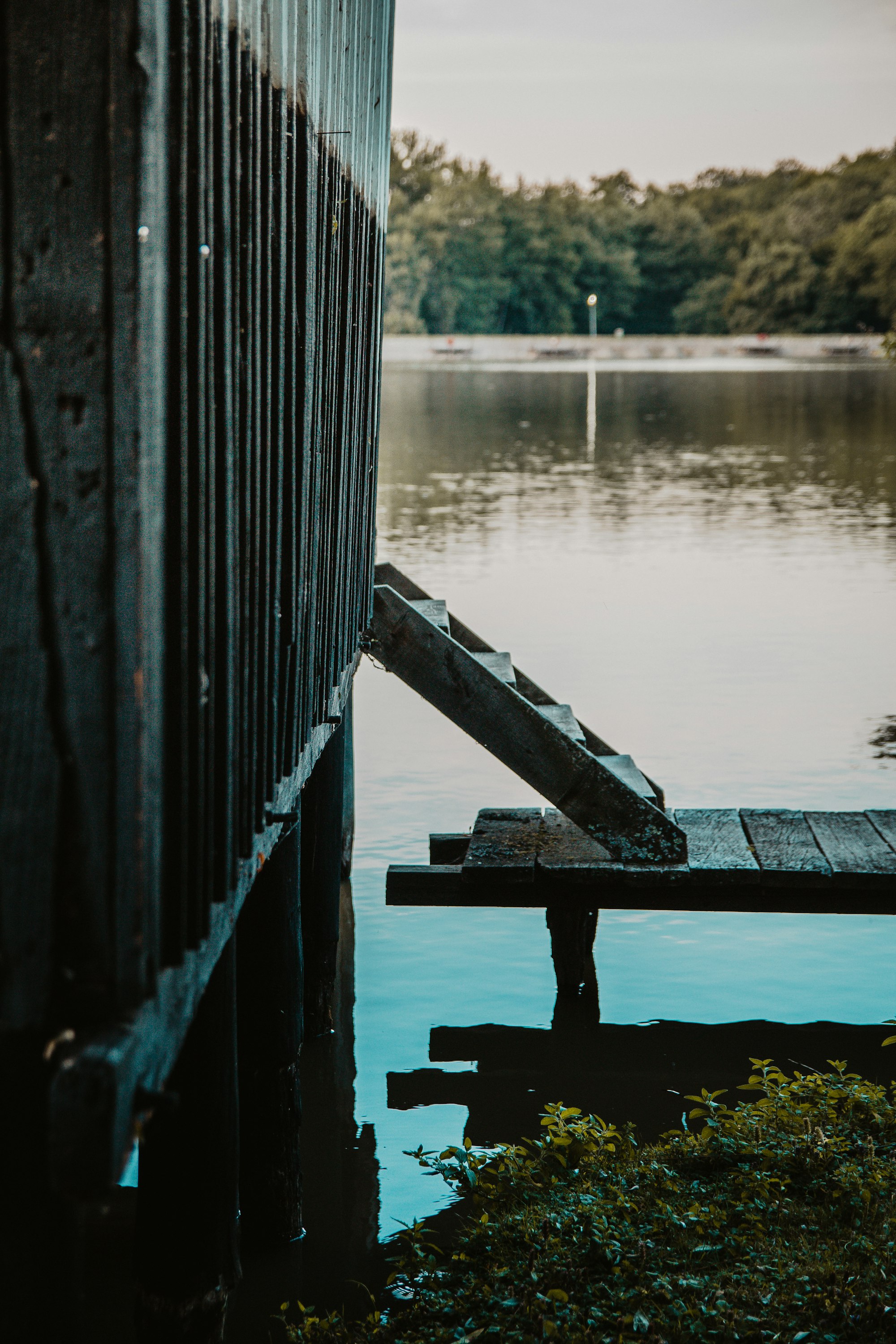
Plan most of a day here, and take city bus 13 or a taxi out to the forest. Wear walking shoes: the paths between the farmsteads run for kilometres.
-
Cisnădioara Fortified Church
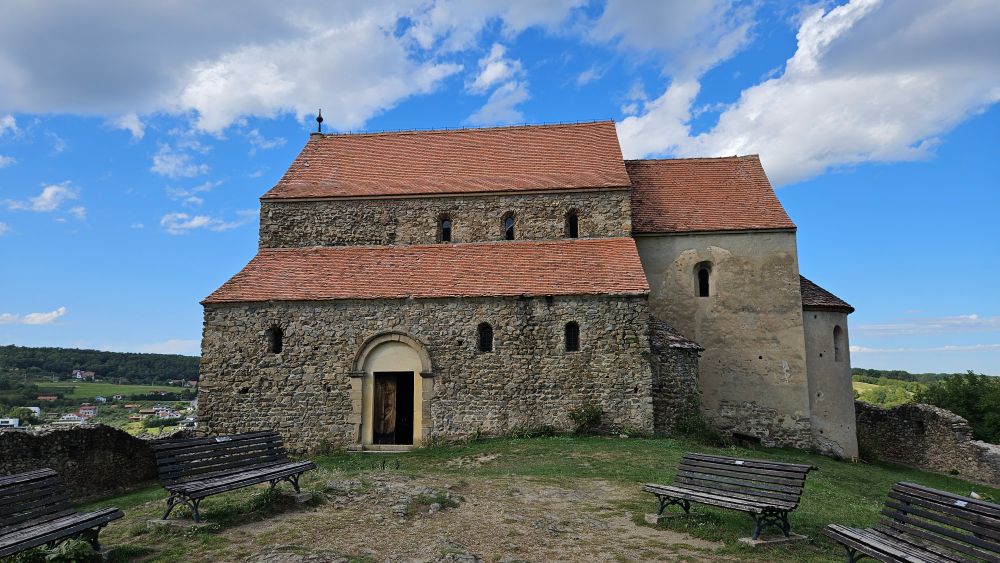
A few minutes of stairs through the trees lead from the village of Cisnădioara, about twelve kilometres south of Sibiu, to a small stone church inside a ring of walls on a wooded hill. From the walls the view runs over the village to the mountains. Some of the stones that village men once had to roll up the hill before they could marry still lie in the courtyard.
-
Piața Mică
Curving round below the Council Tower, the upper town's second square is joined to Piața Mare through the arch at the tower's foot. The Bridge of Lies crosses its lower end, and the arcaded Butchers' Hall stands in the middle. Restaurants and cafés set tables out under houses with eye-shaped attic windows in their roofs.
-
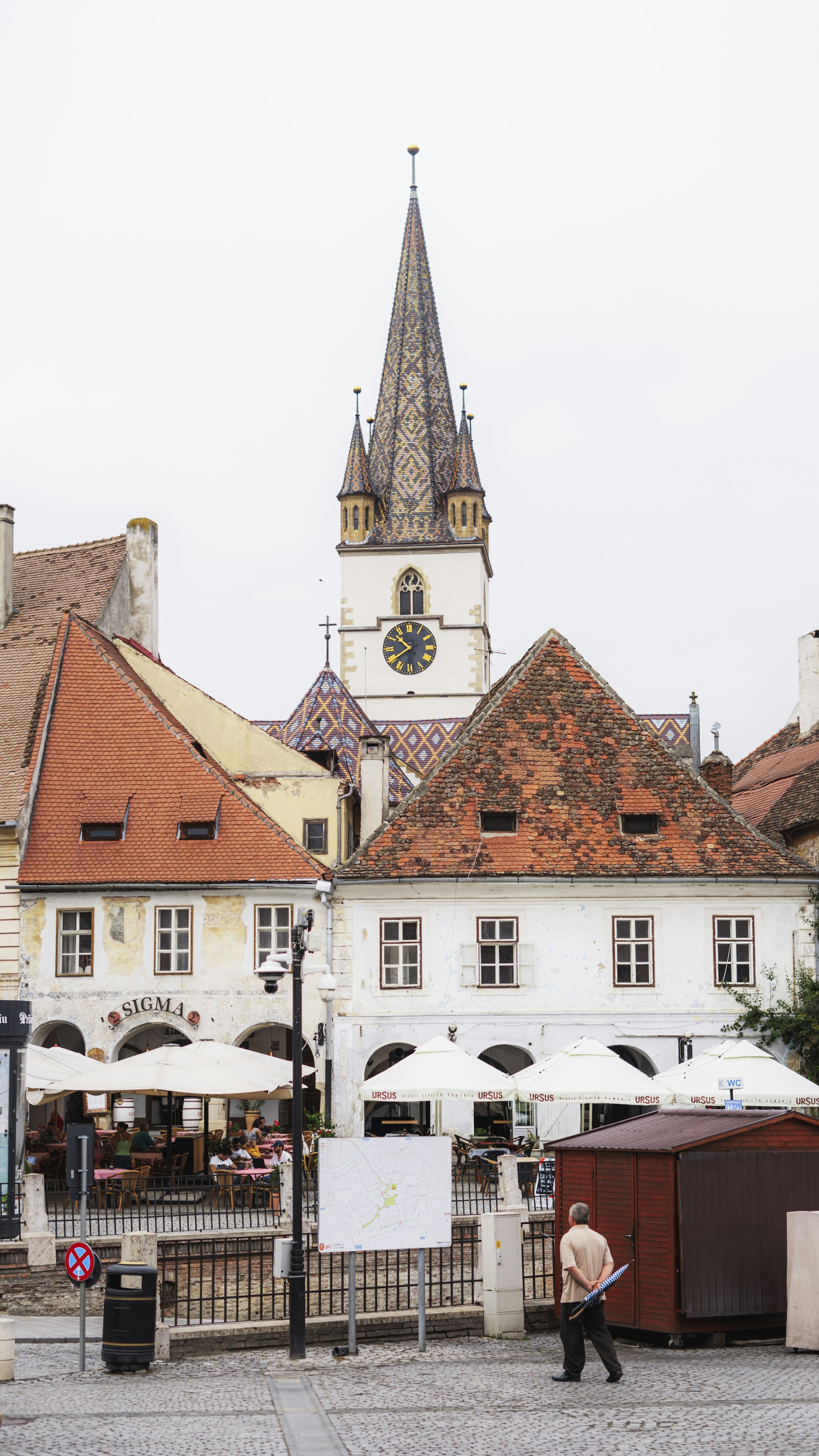
Sibiu Lutheran Cathedral
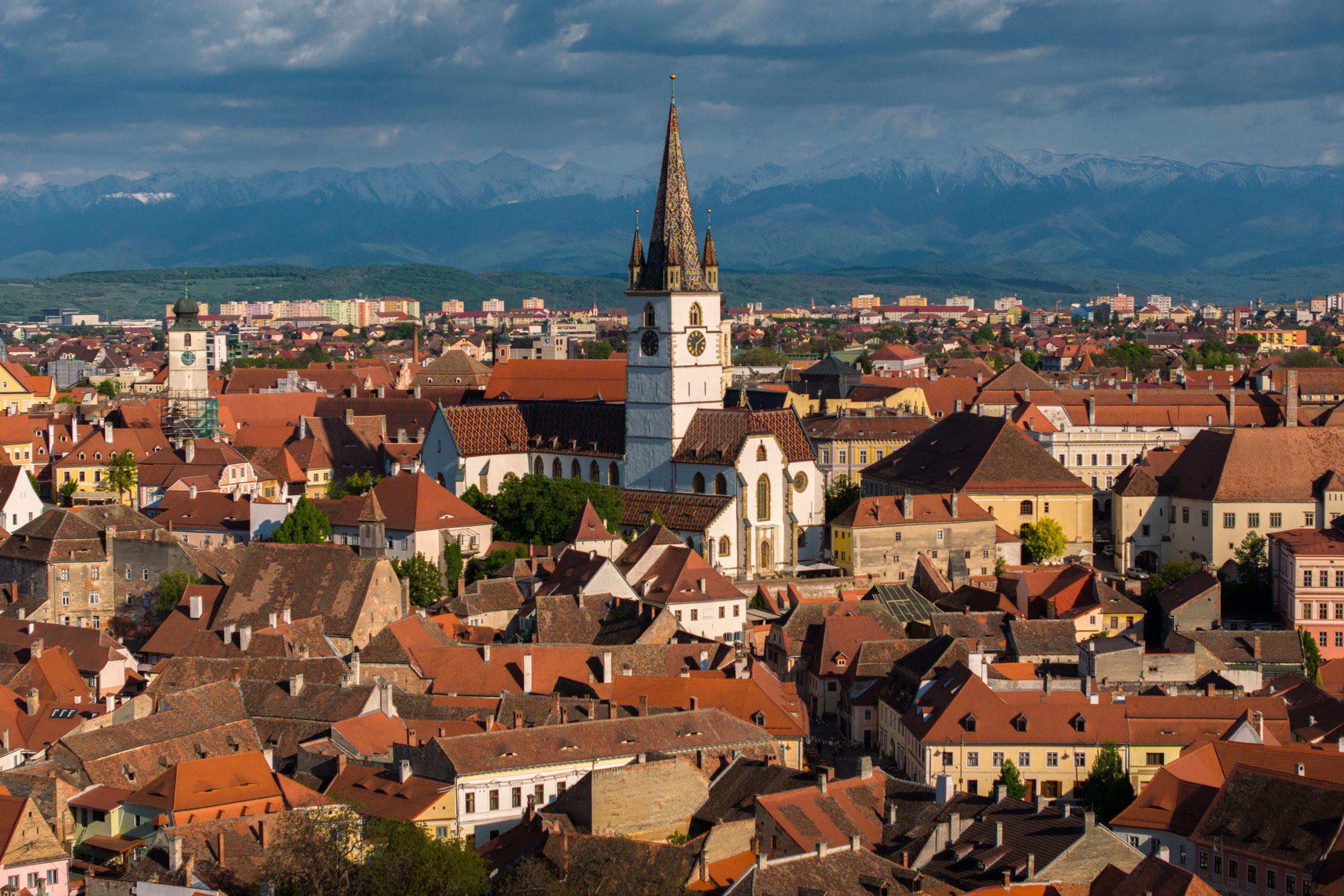
Climb the tower for the widest view over the red roofs and, on a clear day, the mountains to the south. The wooden stairs are steep and pass right by the bells.
-
Bridge of Lies
Cross it between Piața Mică and Huet Square, then walk under it down Ocnei Street to the Lower Town, and look for the date 1859 cast into the ironwork.
-
Brukenthal National Museum
Give the painting galleries two hours at least. The collection hangs in the furnished rooms of an eighteenth-century palace on the main square.
-
Cisnădie Fortified Church
Pair it with the hilltop church at Cisnădioara for one half-day trip by car or taxi. Avoid Sunday mornings, when services close the church to sightseers.
-
Council Tower
Go up early for a view over both main squares at once. The stairs are steep and narrow with no lift, so leave your bags at the hotel.
-
Holy Trinity Cathedral
Step inside the Orthodox cathedral even if you meant only to pass it. The painted and gilded interior is far richer than the brick front suggests.
-
Hotel Imparatul Romanilor
Book it to sleep on Strada Nicolae Bălcescu, the pedestrian street running south from Piața Mare, with the squares a minute away and no car needed.
-
Păltiniș
At about 1,440 metres in the Cindrel mountains, 32 kilometres by road from Sibiu, this small resort is where most of the marked trails into the range begin. In summer they climb to the high meadows. In winter the slopes are short and gentle, with snowmaking and floodlit evening skiing, and city bus 22 runs up from the railway station.
-
Pharmacy History Museum
Allow half an hour for the old shop counter, the laboratory and the shelves of painted medicine jars, just off the Bridge of Lies on Piața Mică.
-
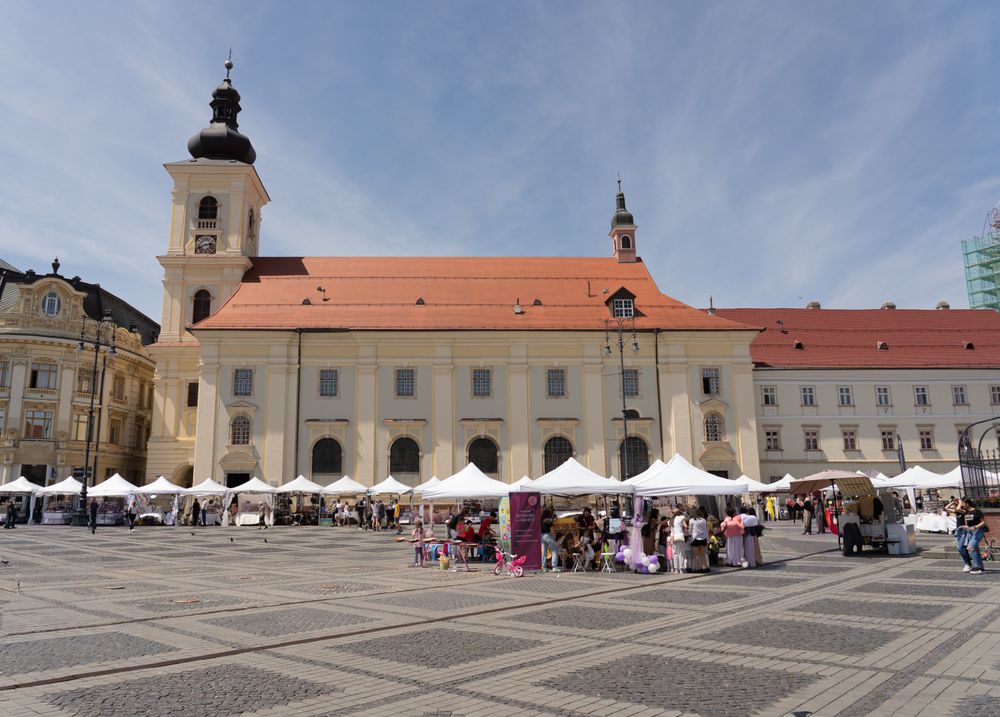
Piața Mare
Start your first morning on this square, before the café tables fill. The Council Tower, the Brukenthal palace and a baroque Catholic church all stand around it.
-
Rășinari
Painted inside and out, the Orthodox church of Saint Parascheva stands at the centre of this large village at the foot of the Cindrel mountains, about twelve kilometres south-west of Sibiu on the road up to Păltiniș. The ethnographic museum shows the costumes, tools and house interiors of the surrounding villages. The family house of the poet Octavian Goga is open as a memorial museum.
-
Stairs Passage
Two tall brick arches span a stepped lane that drops from Huet Square, beside the Lutheran cathedral, to the streets of the Lower Town. It runs along a stretch of the old inner wall, and in Romanian it is the Pasajul Scărilor. The steps are uneven and slippery in rain.
-
Strada Cetății
Three towers stand in a row along this street on the south-east side of the old town, set into the best-preserved stretch of the medieval wall: the Harquebusiers', the Carpenters' and the Potters'. A park fills the old moat below them. The Carpenters' and Potters' towers can be climbed when they are open, with a short stretch of wall walk between them.