Globe Countries Cities Dispatches World's Best Events Get the App
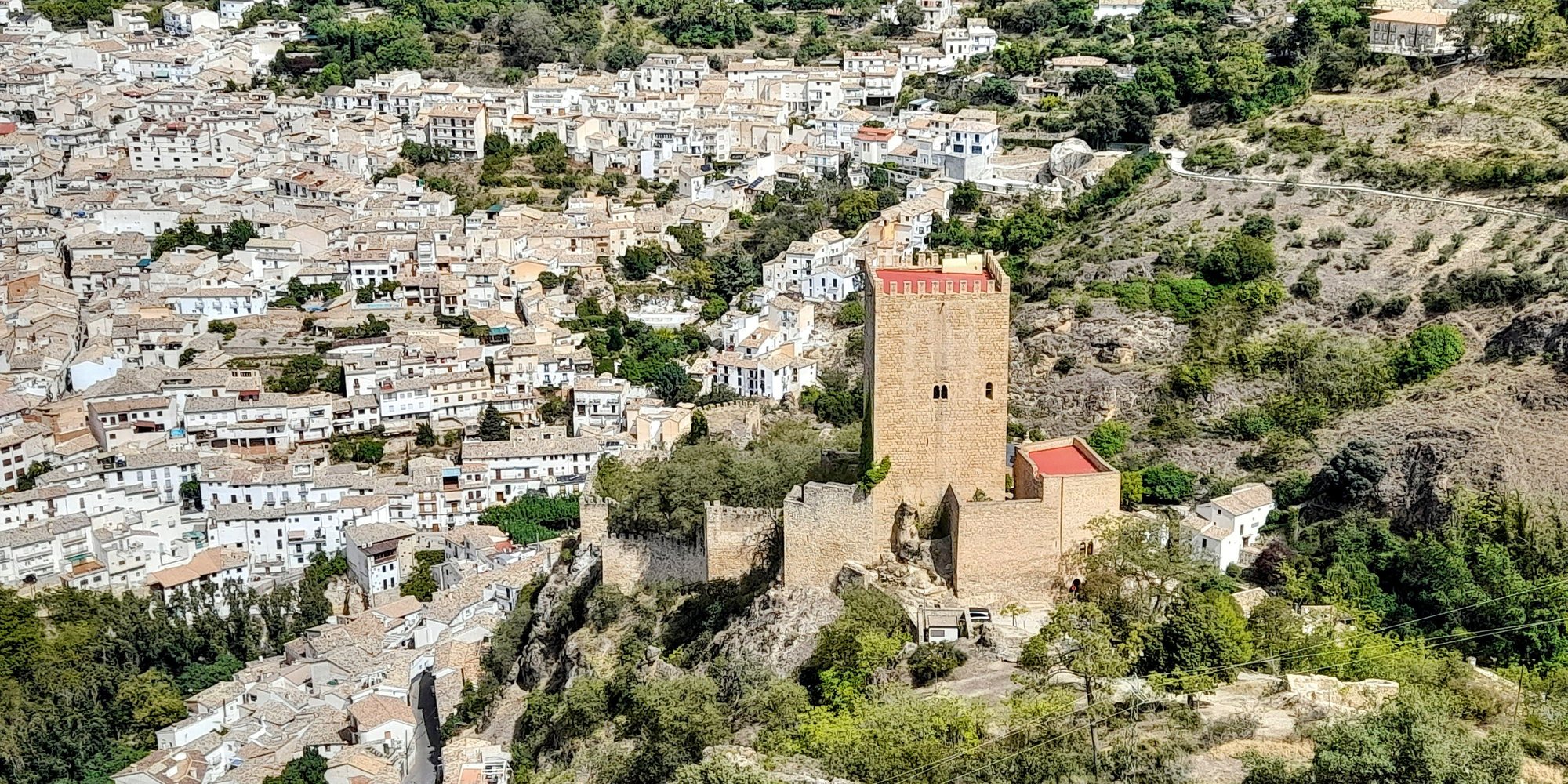
The square keep of the Castillo de la Yedra on its rocky spur, with the white houses of Cazorla climbing the hillside behind it
The Castillo de la Yedra on its spur, with Cazorla's white houses climbing behind
Town brief · 37.9104°N 3.0019°W

Cazorla

If you want to walk the Río Borosa, stand at the source of the Guadalquivir and hear red deer roar at dusk, base yourself in Cazorla, and bring a car: no bus reaches a single trailhead in the park.

View on globe

Why you should go

Ninety seconds on Cazorla

How long
Three nightsone day for the town, two for the park's walks and drives
Getting around
By carthe steep old town is walkable on foot
When
April to June, September, OctoberJuly and August are hot and busy on the trails
Language
Spanishlittle English outside the hotels and the tourist office
Money
The eurocards widely taken; some park bars prefer cash
Airports
Granada GRXabout 180 km, two hours by road; Málaga AGP about three
How long

How many days do you need in Cazorla?

Three nights suit most visits. One day covers the town: the Castillo de la Yedra, the ruins of Santa María and the vault beneath them, and the walk to the Castillo de las Cinco Esquinas. Two more days allow the Río Borosa walk and a drive up the Guadalquivir valley to Torre del Vinagre, the Cerrada de Utrero and the Tranco reservoir.

Getting around

Do you need a car in Cazorla?

For the natural park, yes. Buses link the town with Úbeda, Jaén and Granada, but no public transport runs to the trailheads. The Río Borosa start is about 35 km away, roughly 50 minutes by road. The town itself is steep and best walked, with little parking in the centre.

When

When is the best time to visit Cazorla?

April to June and September to October bring mild days for walking and full rivers in spring. July and August are hot and the Borosa trail is crowded. The red deer rut, from mid-September into early October, brings stags roaring at dawn and dusk around the Tranco reservoir.

Language

What language is spoken in Cazorla?

Spanish, with the Andalusian accent of the Jaén sierra. English is spoken in the larger hotels, at the Parador and at the tourist office in the ruins of Santa María, much less in the bars and village shops.

Money

What money does Cazorla use?

The euro. Cards are taken in hotels and most restaurants, but some bars and village shops in the park prefer cash. The bars around the Plaza de Santa María and the Plaza de la Corredera serve a free tapa with each drink. The Castillo de la Yedra museum is free for EU citizens and ticketed for others, and La Iruela's castle is ticketed; the Torre del Vinagre visitor centre and botanical garden are free.

Airports

Where do you fly into for Cazorla?

Granada GRX is the nearest airport, about 180 km away, roughly two hours by road. Málaga AGP is about three hours, and Madrid's Barajas airport about four hours. Cazorla has no railway station, so most visitors hire a car at the airport.

Split the stay between the town and the park. Give one day to the Castillo de la Yedra, the ruins of Santa María and the climb to the Cinco Esquinas. Spend the rest in the Guadalquivir valley, where the Río Borosa walk, Torre del Vinagre and the Tranco reservoir all lie along one road, the A-319.

Start the Borosa early: at weekends the car park by the fish farm, 50 minutes' drive from town, is full by half past eight. The walkways through the Cerrada de Elías were damaged in the 2026 storms and stay closed while they are rebuilt; a signed forest-track detour takes you on to the power station. Check at the Torre del Vinagre visitor centre before you set out.

Sleep in the old town if you want to walk out to the squares at night. Parking in the centre is scarce, so book a room with a space or leave the car early at the Balcón de Zabaleta car park. For the high forest, the Parador stands on its own near the Cerrada de Utrero, and it closes for part of the winter.

Buses from Úbeda take about an hour and from Jaén about two hours, but none run into the park. Without a car the park is reachable only on a guided trip or by taxi from town, so hire a car in Granada or Úbeda before you arrive.

Mind the season. From June to mid-October all fires are banned in the forest, even at picnic sites with barbecues, and the paths are hot by midday. In late September and early October the deer rut fills the valley with roaring stags at dawn and dusk.

Things to do

12
  1. Viewpoint

    Balcón de Zabaleta

    Viewpoint · 30 min

    A small terrace in the upper town, named after the painter Rafael Zabaleta, looking straight down over the rooftops to the Castillo de la Yedra and the crags behind it. This is the classic view of the town, at its warmest in late afternoon. A free car park sits beside it and fills early, so arriving on foot from the Plaza de la Corredera is easier.

  2. Castle

    Castillo de La Iruela

    Castle · 30 min

    A small castle on a pinnacle of rock above the neighbouring village of La Iruela, a short drive or a half-hour walk from the centre of Cazorla. Park on the main road and climb Calle Cardenal Cisneros to the gate. Inside are the walls, a keep and the ruins of a church, with a sheer drop on three sides and a view over the olive groves. Entry is ticketed.

  3. Castle

    Castillo de la Yedra

    Castle · 1.5 hr

    A castle on a spur above the lower town, its square keep holding the history rooms of the Museo de Artes y Costumbres Populares del Alto Guadalquivir. The buildings below show farm tools, kitchens and costume from the sierra villages. The Camino del Ángel climbs to it from the Plaza de Santa María, short and steep. The museum closes on Mondays and shuts in mid-afternoon in summer.

  4. Ruins

    Castillo de las Cinco Esquinas

    Ruins · 2.5 hr

    A ruined castle named for its five corners, on the ridge above the town, reached by a steep path that climbs from the upper town through pine and bare rock. Only a few walls stand; the reason to climb is the view over the rooftops, the Castillo de la Yedra and the olive country running west towards Úbeda. Allow two hours or more there and back, and carry water.

  5. Canyon

    Cerrada de Utrero

    Canyon · 30 min

    A short loop through a limestone gorge on the upper Guadalquivir, near the hamlet of Vadillo Castril. The path is cut into the cliff above the river and passes the Linarejos waterfall, with griffon vultures and crag martins nesting on the rock faces. The circuit is about 1.6 km and takes under an hour, which suits a family or a hot afternoon.

  6. Lake

    Embalse del Tranco

    Lake · 2 hr

    A long reservoir at the north end of the Guadalquivir valley, ringed by pine slopes, with small beaches and calm water for a summer swim. Red deer graze the clearings along the A-319 at dawn and dusk, and in late September and early October the stags roar through the rut. The drive up the valley from Cazorla takes over an hour each way.

  7. Landmark

    Nacimiento del Guadalquivir

    Landmark · 30 min

    The spring where the Guadalquivir begins, a clear pool among rocks and pines in the Cañada de las Fuentes, high in the south of the park. A forest road reaches a small car park, and the last stretch is a scramble down over rocks rather than a path. The water runs low by late summer, so the spring is at its fullest after the spring rains.

  8. Hotel

    Parador de Cazorla

    Hotel

    A Parador hotel standing alone in the pine forest high in the park, on a ledge facing the Sierra de Cazorla with no village around it. The Cerrada de Utrero and the source of the Guadalquivir are a short drive away, and the night sky is dark. It closes from early January to early March.

  9. Landmark

    Plaza de Santa María

    Landmark · 30 min

    The square of the lower town, with the ruined church on one side, the stone Fuente de las Cadenas in the middle and bar terraces around the edges. A drink at the bars here comes with a free tapa, so a slow round of the terraces makes an evening meal. The Camino del Ángel up to the Castillo de la Yedra starts from the square.

  10. Ruins

    Ruinas de Santa María

    Ruins · 1 hr

    The roofless shell of a Renaissance church built over the Cerezuelo river, wrecked by a flood at the end of the seventeenth century and used now as an open-air stage for summer concerts. The tourist office inside the ruins runs guided visits into the vaulted tunnel beneath, where a walkway crosses the river among ferns and moss. A guided visit is the only way into the vault.

  11. Canyon

    Sendero del Río Borosa

    Canyon · 3 hr

    The park's most walked trail, starting by the fish farm near Torre del Vinagre and following the river upstream through pine woods and waterfalls. At the Cerrada de Elías the path runs on walkways fixed above the water; after storm damage in 2026 this stretch is closed for rebuilding and a forest track takes walkers round it. The full route climbs on through two tunnels to the Aguas Negras reservoir.

  12. Garden

    Torre del Vinagre

    Garden · 1 hr

    The natural park's main visitor centre, on the A-319 in the Guadalquivir valley, with displays on the park's wildlife and maps for planning a walk. The botanical garden across the road grows the sierra's own plants, among them species found nowhere else. Both are free to enter, and the garden closes on Mondays that are not holidays. The Río Borosa trailhead is a few minutes up the road.
Basemap Meridian · data © OpenStreetMap
Explore

More of Spain

Spain
Country

Spain

Every Spain town, place and dispatch, on one map.

Granada
Town

Granada

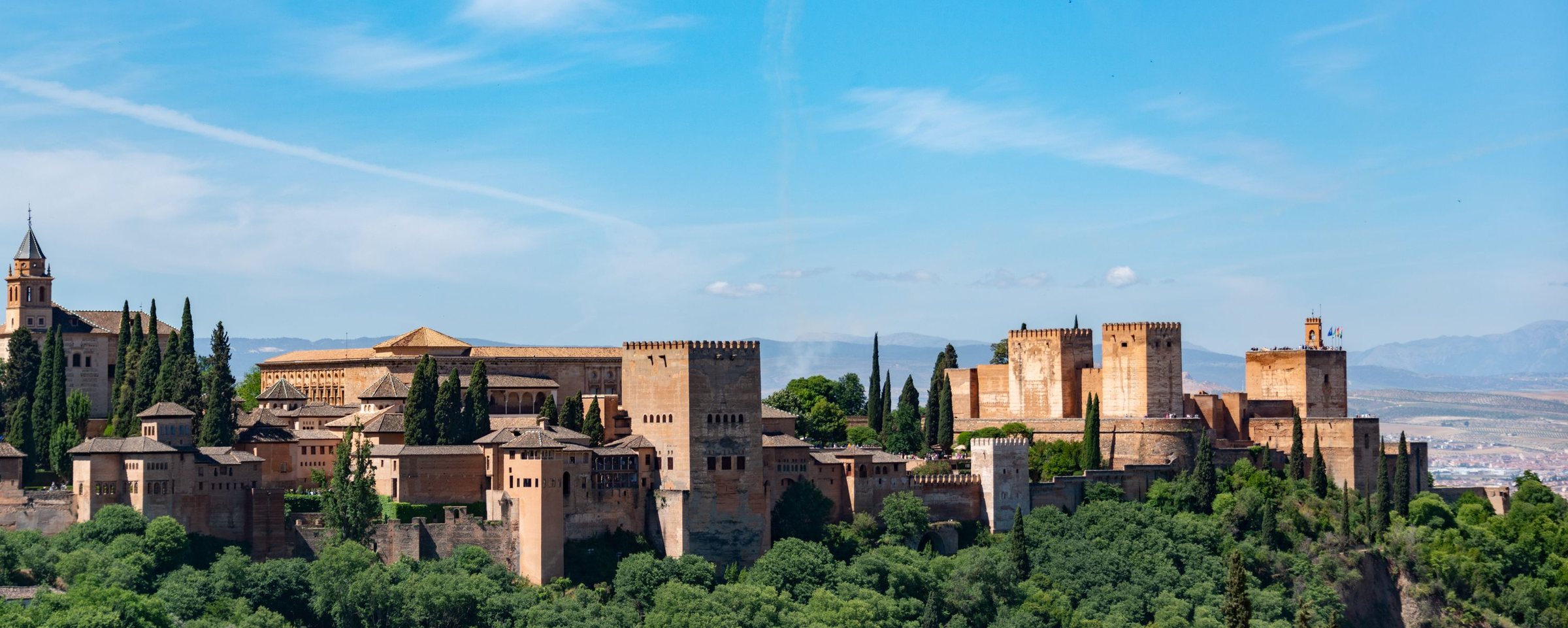
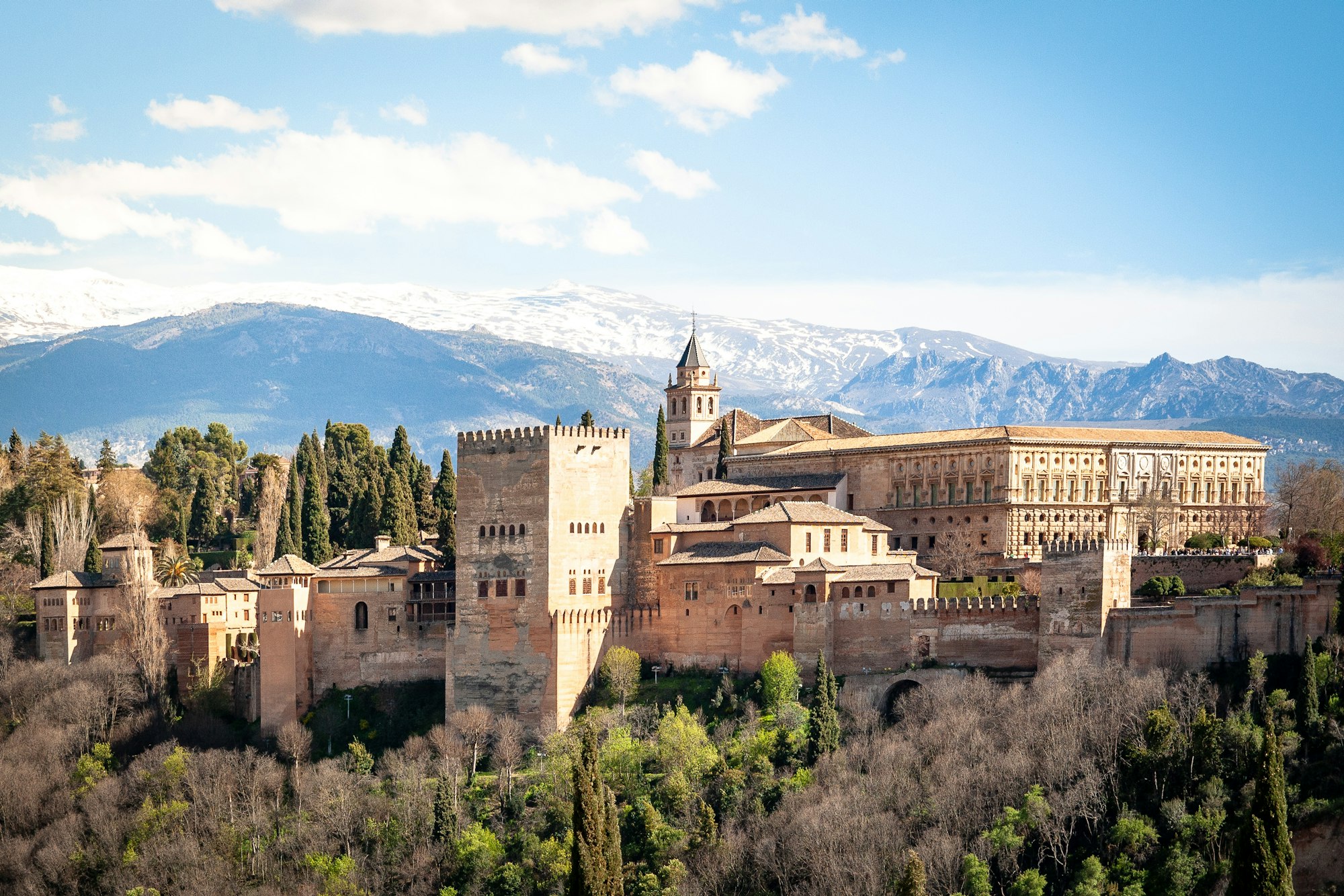
Alhambra
Palace · Granada

Alhambra

Córdoba
Town

Córdoba

Whitewashed lanes, flower-hung courtyards and a riverside old town surround the great mosque that later became a cathedral.

Feria de Abril
Event · Seville

Feria de Abril

Come to see a whole city in its best clothes, out on horseback and dancing in its casetas until the small hours.

Last updated

Meridian Dispatch for iPhone

Plan the trip.
Keep the journal.

Every other travel app asks you to start logging. Meridian Dispatch opens with years of your travel already written, from the photographs you already took.