Things to do
18-
La Concha
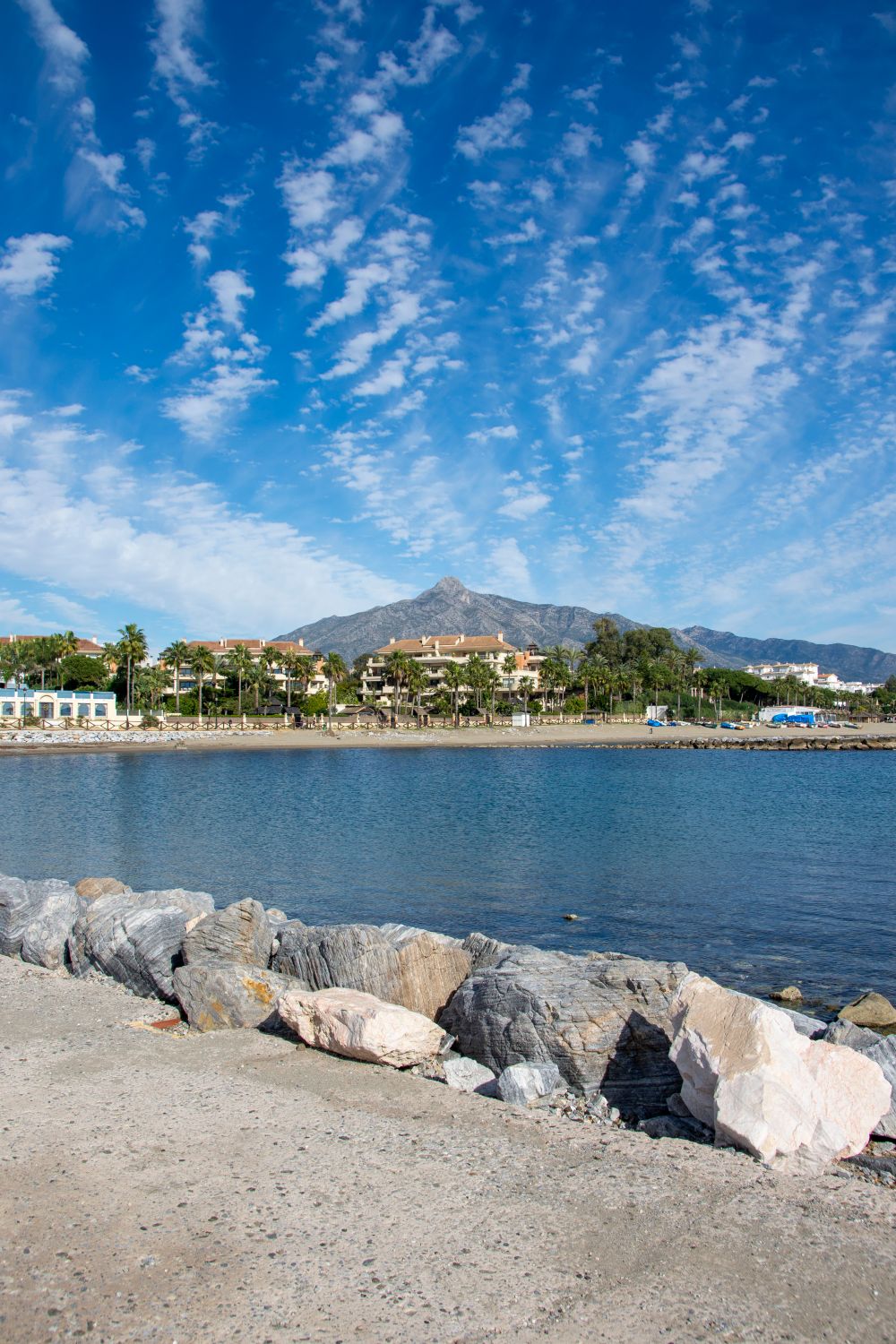
Rising straight behind the town, this grey limestone summit is the peak behind the beach. The usual route climbs from Istán or from the Juanar side, a long day on rocky, exposed ground with no shade and no water on the ridge. Carry plenty to drink and avoid the climb in high summer, when the heat on the bare rock is serious.
-
Marbella Club Hotel
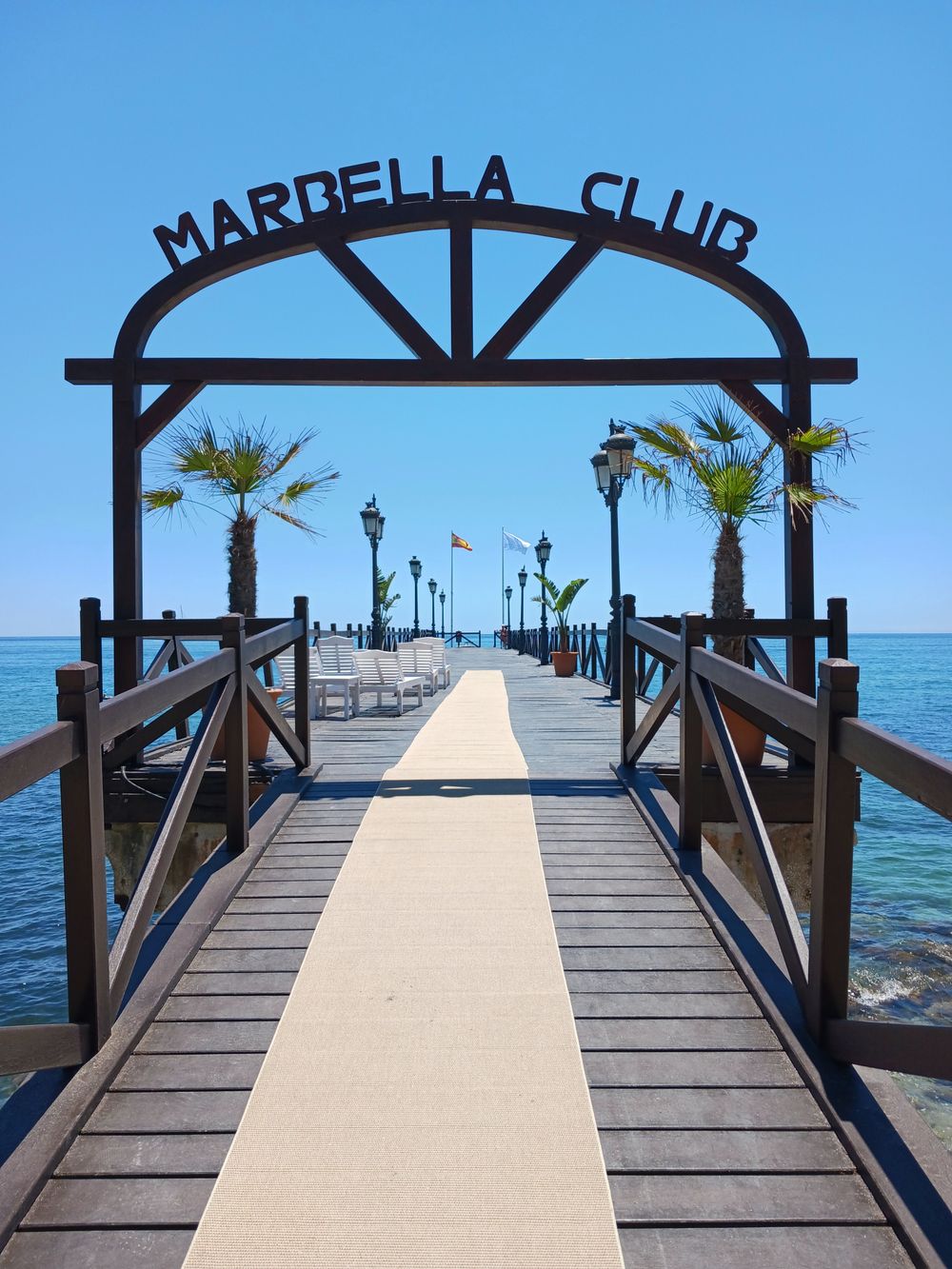
Set in gardens on the coast between the town and Puerto Banús, this hotel spreads across low white villas with a private beach. Rooms sit among palms and bougainvillea, and the beach club fronts the sea. Rooms are booked well ahead for July and August. It is a car or taxi ride from the old town, which sits a few kilometres east.
-
Marbella Old Town
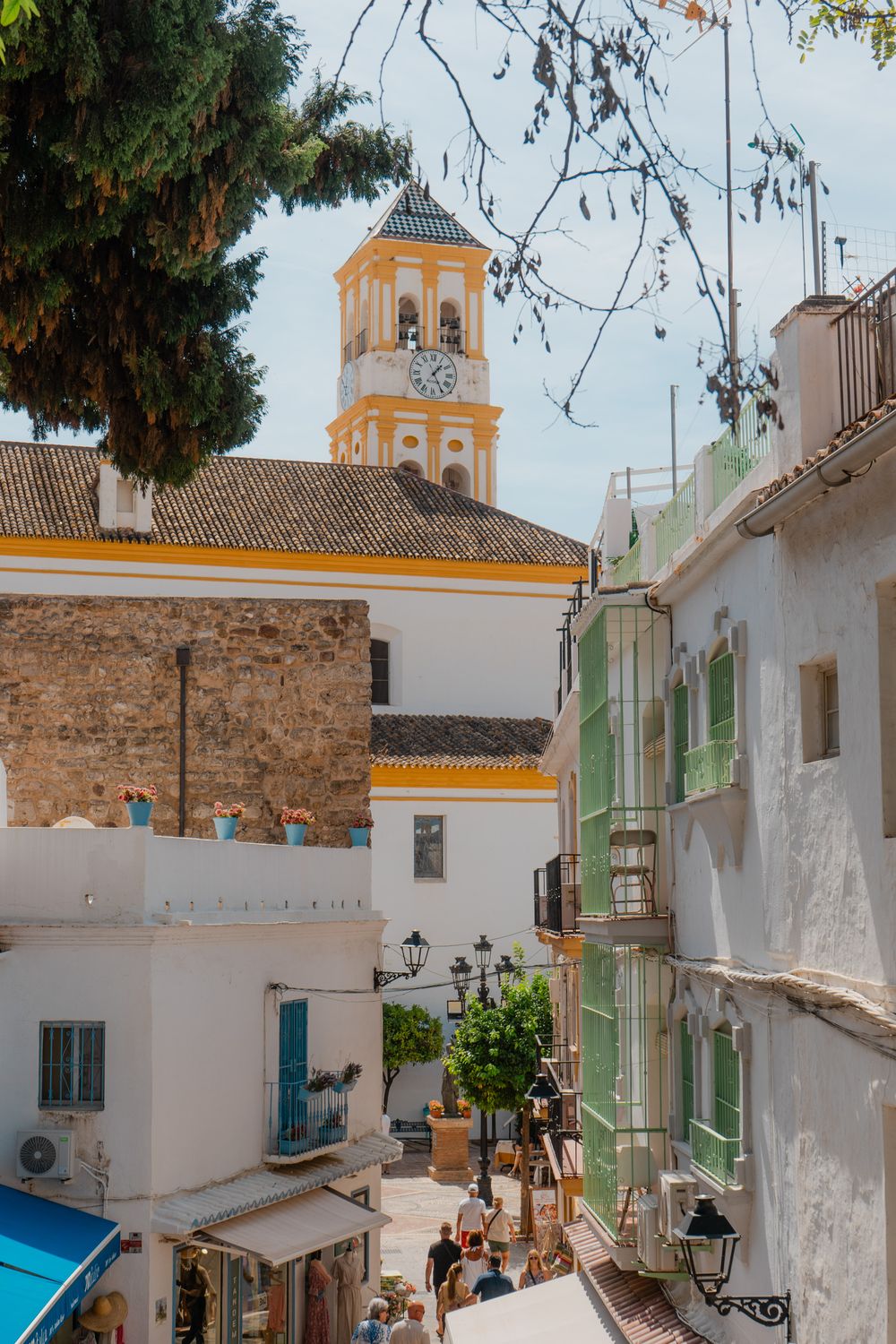
Plaza de los Naranjos sits at the heart of the casco antiguo under rows of orange trees, and whitewashed lanes hung with flower pots spread out from it. The lanes are quiet in the morning; after dark, the side streets are calmer than the square. Two hours covers the lanes, the parish church and a drink on the square, and the lanes climb only gently.
-
Puerto Banús
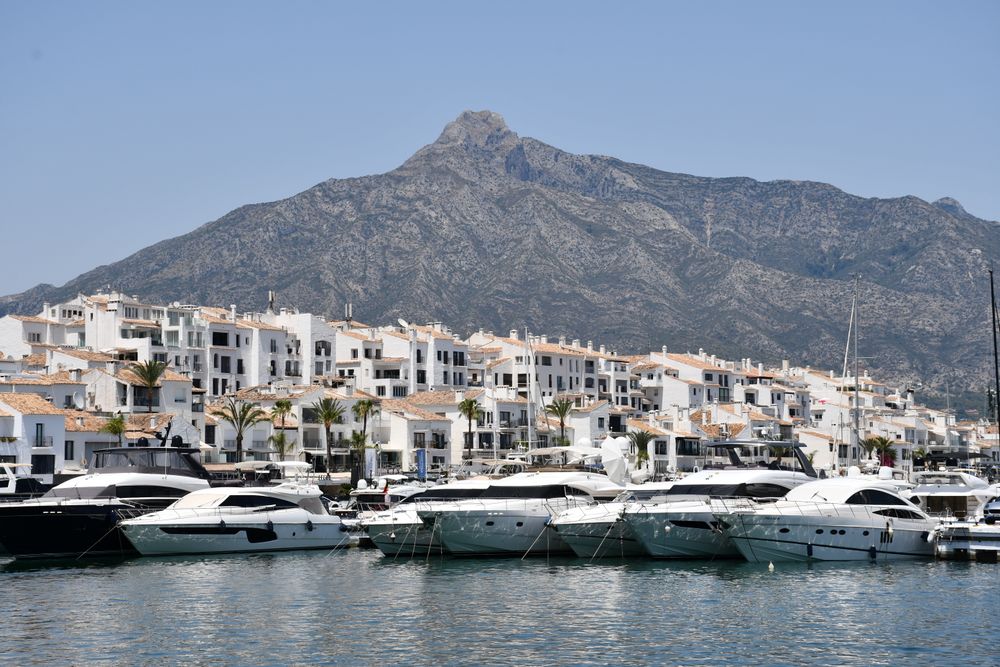
Moored superyachts and designer boutiques along the quay give this marina west of the centre its reputation. The evening is its hour, when the boats are lit and the waterfront terraces fill. Parking is tight in summer, so a taxi or the coastal bus is easier than a car. The beach beside the port is calmer than the quay itself and suits a swim before dinner.
-
Avenida del Mar
A short pedestrian boulevard runs from the Alameda park down to the seafront, lined with ten bronze sculptures designed by Salvador Dalí. Among them are Don Quixote, an elephant on spindly legs and Gala gazing out of a window frame. Fountains and benches sit between the bronzes. The walk is free and open at all hours, and the sculptures look best in the low light of early evening.
-
Basílica de Vega del Mar
The foundations of an early Christian church lie among eucalyptus trees near the beach at San Pedro de Alcántara, west of Puerto Banús. Wooden walkways run over the low walls, the two apses and a stone font carved in the shape of a fish, with graves from the old cemetery all around. Entry is free, but the site opens only on a few mornings from Thursday to Sunday.
-
Benahavís
A white village in the hills above San Pedro, known on this coast for the number of restaurants packed into its few streets. Below it the Río Guadalmina runs through a narrow limestone gorge, Las Angosturas, where a river walk links deep pools that draw swimmers in summer. The drive up from Puerto Banús takes about twenty minutes, and no direct bus runs from Marbella.
-
Castillo de Marbella
Long stretches of the old Moorish castle wall, with square towers of rough stone, still stand on the upper edge of the old town along Calle Trinidad. The ground inside is closed to visitors, so the walls are seen from the street. The lanes beside it are quieter than the square below, and the walls make a good turning point for a stroll through the upper old town.
-
Cruz de Juanar
A summit cross tops this Sierra Blanca peak at nearly 1,200 metres, reached on a steep path from the Refugio de Juanar. The refuge sits at the end of a forest road above Ojén, and the walk to the top and back is about 7 km through pines and bare rock. On a clear day the view runs along the coast to Gibraltar and Morocco, with wild goats on the slopes.
-
Dunas de Artola
Protected sand dunes and umbrella pines back the beach beside the Cabopino marina, at the far eastern end of the municipality. It is the only protected dune beach in Marbella. Wooden boardwalks cross the dunes to the water, and the small marina next door has places to eat. The western end is a naturist beach. The car park fills early on summer weekends.
-
Iglesia de la Encarnación
The white parish church of the old town stands on a small square a minute's walk up from Plaza de los Naranjos, behind a carved stone doorway. Inside, a gilded Baroque altarpiece fills the end of the nave and a huge modern organ rises at the back. Entry is free outside mass, and the cool, dim interior is a good break from the lanes at midday.
-
Istán
Water runs through stone channels beside the lanes of this mountain village above the Concepción reservoir. The road up from the coast winds through hills of pine and cork oak, and the village itself is quiet, white and built for a slow walk. Several trails start nearby, including one toward La Concha. Mornings give the clearest views over the reservoir, before the haze builds.
-
Museo del Grabado Español Contemporáneo
Prints rather than paintings fill this museum in the old town, from etchings and lithographs to screenprints by major Spanish artists of the last century. The building itself is an old stone hospital with a quiet courtyard. An hour is enough for the rooms. It makes a cool escape from the lanes on a hot afternoon.
-
Ojén
Steep white streets climb the hillside in this village a short drive inland, where the road quickly leaves the coast behind. The lane climbs to the church and the old fountain, and bars on the square serve food. The road beyond the village continues to the Juanar pine forest and its walking trails, which stay cooler than the coast in summer.
-
Parque de la Alameda
Shaded by old trees and ringed with benches of painted ceramic tiles, this small park links the old town to the seafront. A tiled fountain stands at its centre, and the Avenida del Mar runs from its southern edge down to the beach, lined with bronze sculptures. It is a shaded stop on the walk between the lanes and the sea at midday.
-
Playa de la Fontanilla
Golden sand runs along the front of the town centre here, backed by the paved promenade and a string of beach bars. Lifeguards and hire loungers make it an easy family beach in summer, and the old town is a short walk inland. In July and August the sand fills from late morning.
-
Playa de Nagüeles
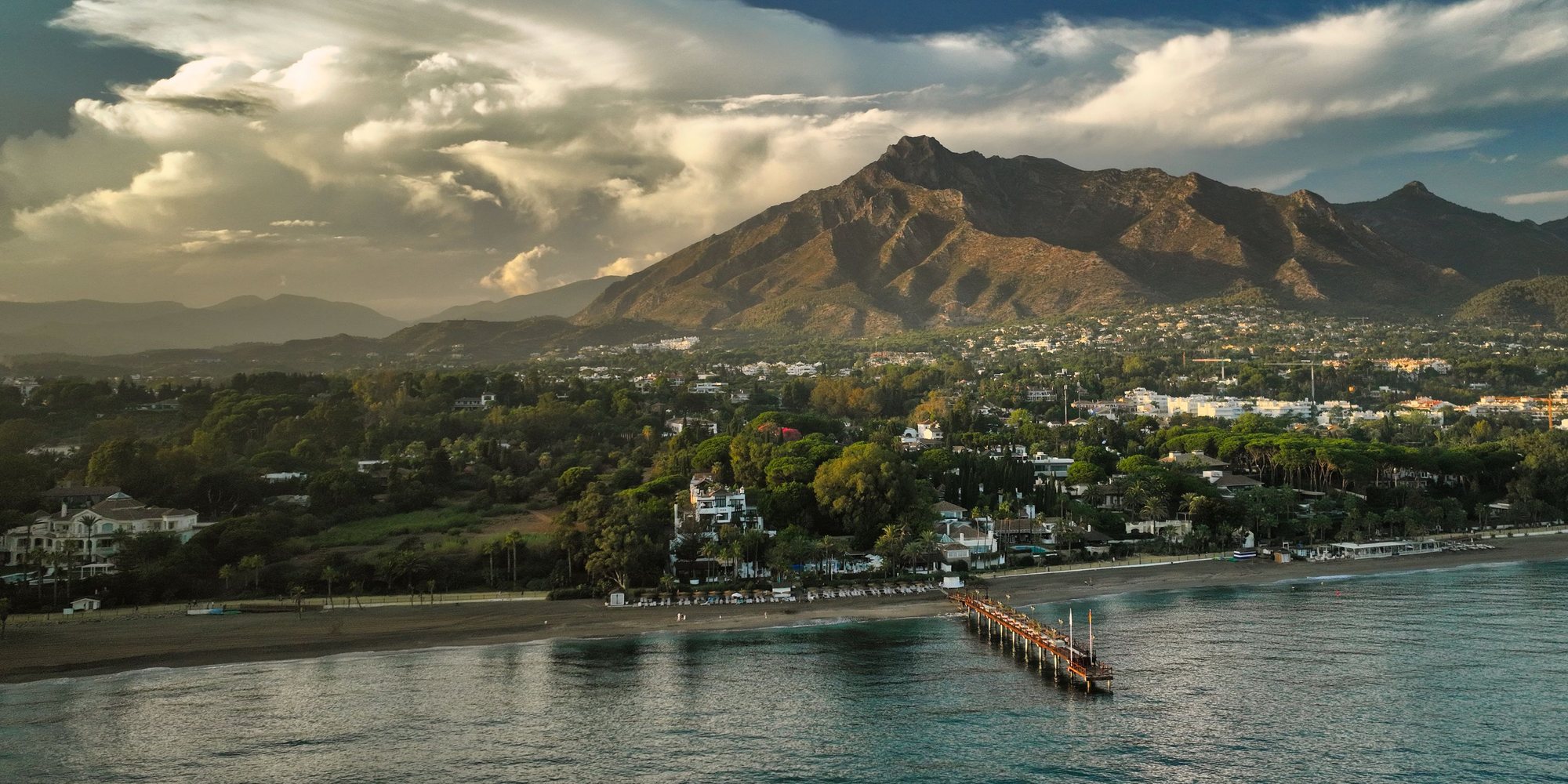
Fine sand runs along the Milla de Oro here, the hotel coast between the town centre and Puerto Banús, with the grey mass of La Concha standing behind. Hotel beach clubs share the shore with open public stretches, and the seafront promenade runs along the back of the beach. Outside July and August it is much quieter than the town beach, and the sea is usually calm.
-
Roman Villa of Río Verde
Mosaic floors are the reason to visit these remains of a Roman seaside villa near the mouth of the Río Verde. One floor shows kitchen tools, pots and food in black and white tiles, an unusual subject for a mosaic. The site is small and fenced. Opening times are short and change by season; a visit takes under an hour and pairs well with Puerto Banús nearby.