Things to do
20-
Jerez Cathedral
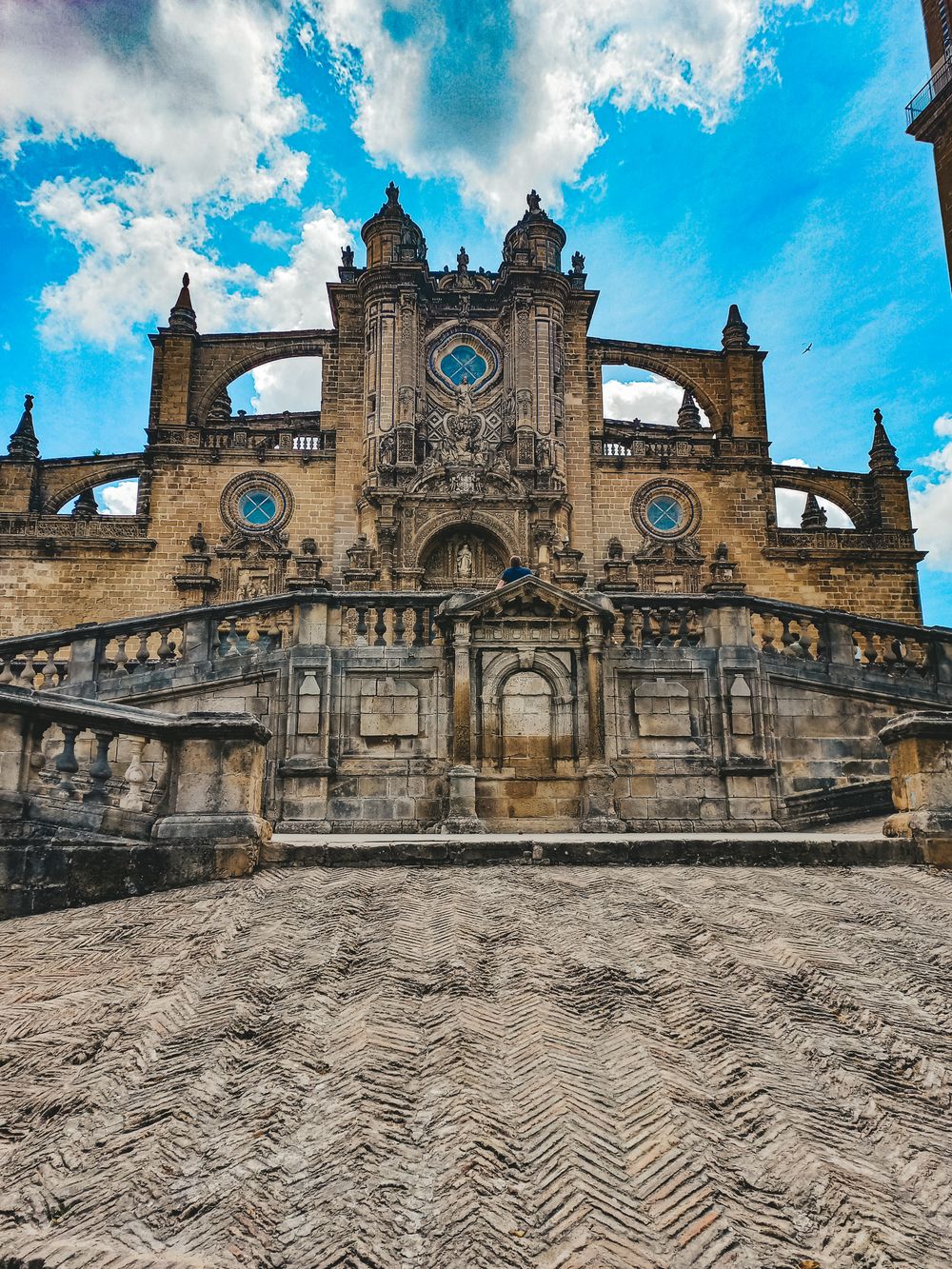
Baroque stone, flying buttresses and a free-standing bell tower rise above a broad stair facing the Alcázar, and the square in front hosts concerts during the autumn harvest festival. Inside are the treasury and a collection of paintings. Allow about 45 minutes, and come late in the day when the facade turns gold. Parts of the church close to visitors during services, so check the mass times posted at the door.
-
Zoobotánico Jerez
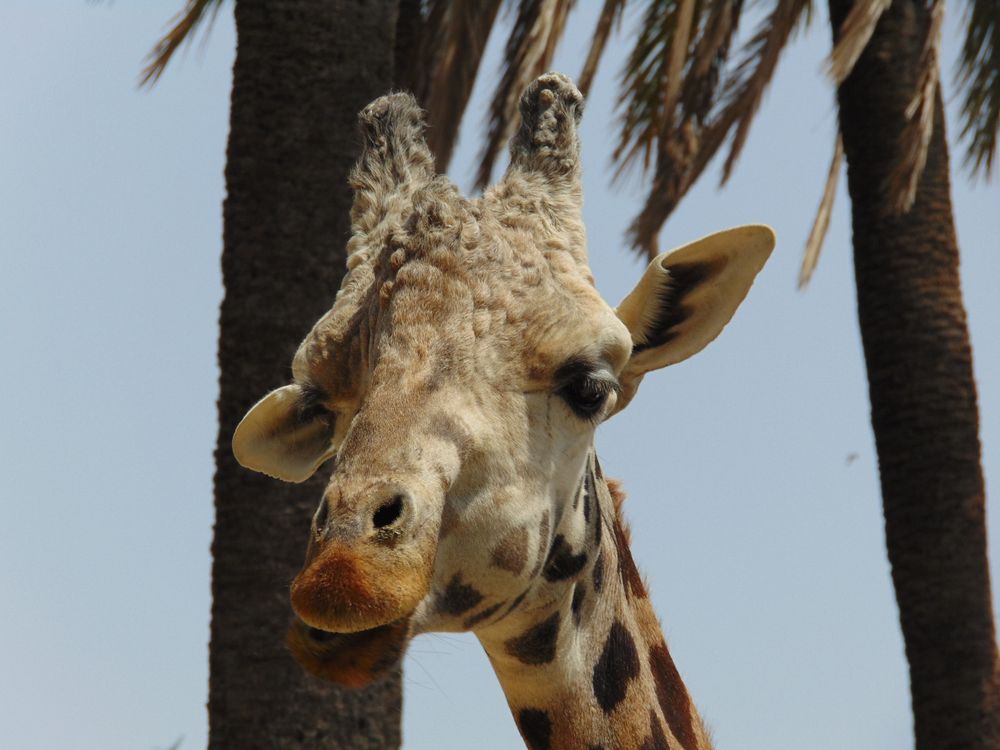
Lions, lynx and birds of prey share the grounds of this zoo with a botanical garden of old trees, giving families shade on a hot day. The Iberian lynx breeding work is the highlight for many visitors. Allow two to three hours; in summer the animals retreat from the afternoon heat. The grounds sit on the north-west edge of town, a short taxi ride from the centre.
-
Alcázar of Jerez
Almohad walls, a small mosque turned chapel and a set of Arab baths sit inside this fortress at the edge of the old town, with gardens between them. The camera obscura in the palace tower projects a live view of the rooftops and cathedral onto a dish, and it runs only at set times, so check the schedule on arrival. Allow about an hour and a quarter for the walls, baths and gardens together.
-
Bodegas González Byass
Whitewashed lanes, vine arbours and stacked casks fill this walled cellar complex beside the cathedral, large enough that part of the tour runs on a small train. Tours end with a tasting of the house finos and sweeter styles. Book a slot ahead in spring and autumn, when groups fill the day, and allow about two hours.
-
Bodegas Lustau
Cathedral-like cellars with high arches and earth floors hold rows of blackened butts, and the tour explains the solera system of blending young wine into old. Tastings here cover the full range of sherry styles, from bone-dry fino to raisin-dark Pedro Ximénez. Tours run most days and are booked ahead; expect about an hour and a half.
-
Bodegas Tradición
This small bodega on the north side of the old town specialises in very old sherries, many aged twenty years and more. Tours walk the cellars, taste several of the old wines and end in a gallery hung with the owner's collection of Spanish painting, including works by Goya, Velázquez and Zurbarán. Visits are by appointment only, and slots fill well ahead in spring and autumn.
-
Centro Andaluz de Flamenco
Recordings, films, photographs and scores fill this archive of flamenco, set in an eighteenth-century palace on a square in the Santiago quarter. Visitors can watch archive footage of the great singers and dancers, and the staff can point toward the peñas where flamenco is performed at night. Allow 45 minutes, and come on a weekday morning.
-
Charterhouse of Jerez
Carthusian monks built this monastery among farmland a few kilometres south-east of town, and its carved Gothic and baroque facade is the reason to go. A community of nuns now lives here, so access to the interior is limited and visiting hours are short. A car or taxi is needed. Combine it with the stud farm, which shares its horse-breeding tradition.
-
Church of San Miguel
Gothic vaults and an ornate Renaissance doorway mark the parish church of the San Miguel quarter, one of the two neighbourhoods that gave Jerez its flamenco. Inside, a carved and gilded altarpiece fills the whole east end. Opening hours are short and fall around services, so try the morning. Half an hour is enough.
-
Circuito de Jerez
Motorcycle racing brings the crowds here every spring, when the Spanish Grand Prix fills the grandstands and every hotel for kilometres around. On other weekends the track hosts car and bike track days, testing and smaller races. The circuit lies east of town on the road towards Arcos, and a car or taxi is the practical way to reach it. Track days and races are listed on the circuit's own event calendar.
-
Feria del Caballo
The spring horse fair takes over the González Hontoria park, north-east of the centre, for a week in May. Riders in short jackets, many with a woman in flamenco dress riding pillion, parade through the afternoon, and the casetas, the fair's marquees, serve sherry and food late into the night. Unlike Seville's fair, the casetas are open to all visitors. Hotel rooms for fair week sell out months ahead.
-
Mercado Central de Abastos
Fish from Sanlúcar and the Bay of Cádiz fills the central hall of this covered market, with butchers, olives and vegetables in the wings around it. Come in the morning, when the stalls are full and the tapas bars nearby are busy with shoppers. The market closes on Sundays, and by early afternoon most stalls have shut.
-
Palacio del Tiempo
Around three hundred clocks, from the seventeenth to the nineteenth centuries and all still in working order, fill the rooms of a palace in the gardens of La Atalaya, north of the old centre. The moment to be inside is the hour, when the clocks strike together. Visits run in the morning only, roughly once an hour, and last about an hour.
-
Plaza de la Asunción
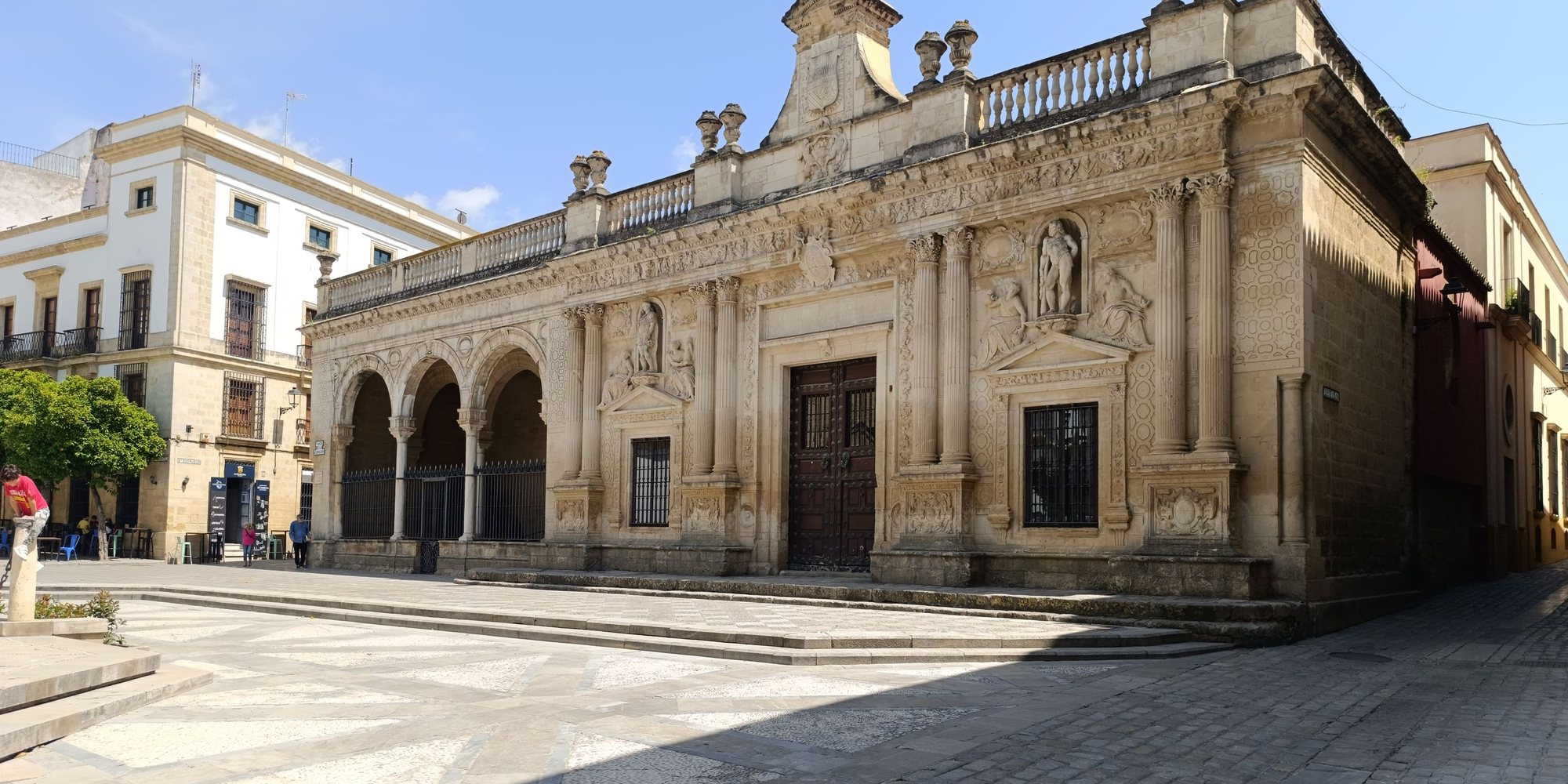
The carved Renaissance front of the old town hall, the Cabildo, fills one side of this square, with an open arcade beside its doorway. The Gothic church of San Dionisio faces it, and a monument to the Assumption stands in the middle. The square lies a few minutes' walk from the Plaza del Arenal and is calmer, with café tables in the shade of the buildings.
-
Plaza del Arenal
Arcaded buildings and orange trees frame the main square of the old town, a short walk from the Alcázar and the shopping streets. An equestrian statue stands over a fountain at its centre. It works as a meeting point and a place to sit with a coffee in the morning. In the evening the café terraces fill and stay busy until late.
-
Royal Andalusian School of Equestrian Art
Andalusian horses and their riders perform a choreographed show to Spanish music in the indoor arena, the main reason many visitors give Jerez a day. Shows start at noon on set days of the week, so check the calendar and book ahead. On non-show days the training sessions, the carriage museum and the stables can be visited instead. The grounds sit a short walk north of the old town.
-
San Miguel Quarter
Narrow streets of workers' houses run south and east from the Plaza del Arenal around the church of San Miguel. With Santiago, this is one of the two quarters where the flamenco families of Jerez grew up. A bronze statue of Lola Flores, born here, stands in one of its squares. In late September, around the feast of San Miguel, the neighbourhood holds its own street fair, the velá, with flamenco in the squares.
-
Santiago Quarter
Low whitewashed houses, small squares and the bulk of the Santiago church fill this quarter on the north-west side of the old centre, home to many of the flamenco singers Jerez is known for. The Centro Andaluz de Flamenco stands on its edge, and several peñas, the members' flamenco clubs, admit visitors on performance nights. By day the streets are quiet. The music starts late at night.
-
Tabancos of Jerez
Tabancos are the old sherry taverns of Jerez, where fino and oloroso are poured straight from the cask and the bill is often chalked on the counter. The best known sit in the lanes around Plaza Plateros and Calle Santa María, a few minutes from the market. Several put on flamenco in the evening and at weekends.
-
Yeguada de la Cartuja
Cartujano horses, the line kept by the monks of the nearby charterhouse, are bred at this stud farm on open country outside Jerez. Visits include the stables, a parade of mares and foals and a display of carriage driving. Visits run on set days only and must be booked ahead. A car or taxi is needed, and two hours covers the visit.