Things to do
14-
Baelo Claudia
A Roman town lies on the beach at Bolonia, with its forum, temples, theatre, baths and the vats of a fish-salting factory laid out down to the sand. The visitor centre has a museum and a free car park. The site is closed on Mondays and closes at 3 pm on Sundays and holidays, and there is little shade on the paths at midday.
-
Bolonia Dune
A protected dune about 30 metres high rises at the western end of Bolonia beach, pushed inland by the easterly wind over the pines behind it. A boardwalk crosses the pinewood and the climb up the sand takes a few minutes. From the top the whole bay is in view, with the Roman ruins at the far end, and the beach below is a good one for swimming.
-
Castle of Guzmán el Bueno
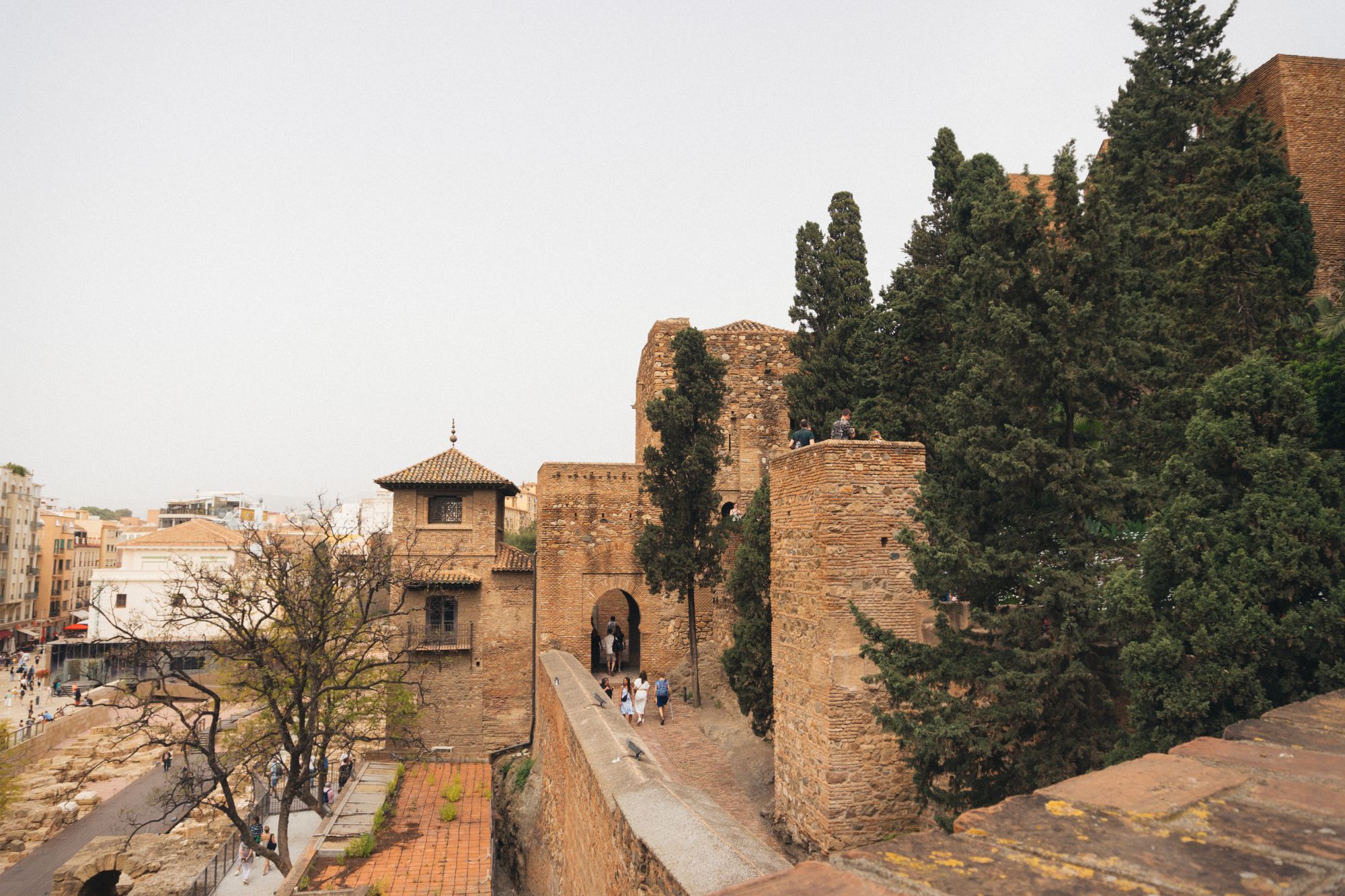
A caliphal fortress of the tenth century stands above the port at the edge of the old town, its walls and towers open on a ticketed, signposted route. From the battlements the view runs across the Strait to the Rif mountains of Morocco. The castle takes its name from the governor who, by the town's best-known story, refused to surrender it to save his own son.
-
Church of San Mateo
The main church of the old town has a Baroque front on Calle Sancho IV el Bravo and a Gothic nave behind it. It stands on the street where the tapas bars cluster, so a short look inside fits between lunch and the walk down to the castle. The nave stays cool on a hot afternoon, and visits pause during services.
-
Isla de las Palomas
A causeway runs from the port out to this island, the southernmost point of mainland Europe, with the Mediterranean on one side and the Atlantic on the other. The island itself is a protected area and can be visited only on a guided tour booked in advance. The walk along the causeway is open at any hour.
-
Los Lances Beach
A wide Atlantic beach runs for about ten kilometres north-west from the edge of town, backed by a protected strip of dunes and marsh. From mid-June to mid-September the stretch nearest town is kept for swimmers, with marked zones for kites further out. On strong levante days the sand blows hard along it, so it is a poor choice for sunbathing on those days.
-
Mirador del Estrecho
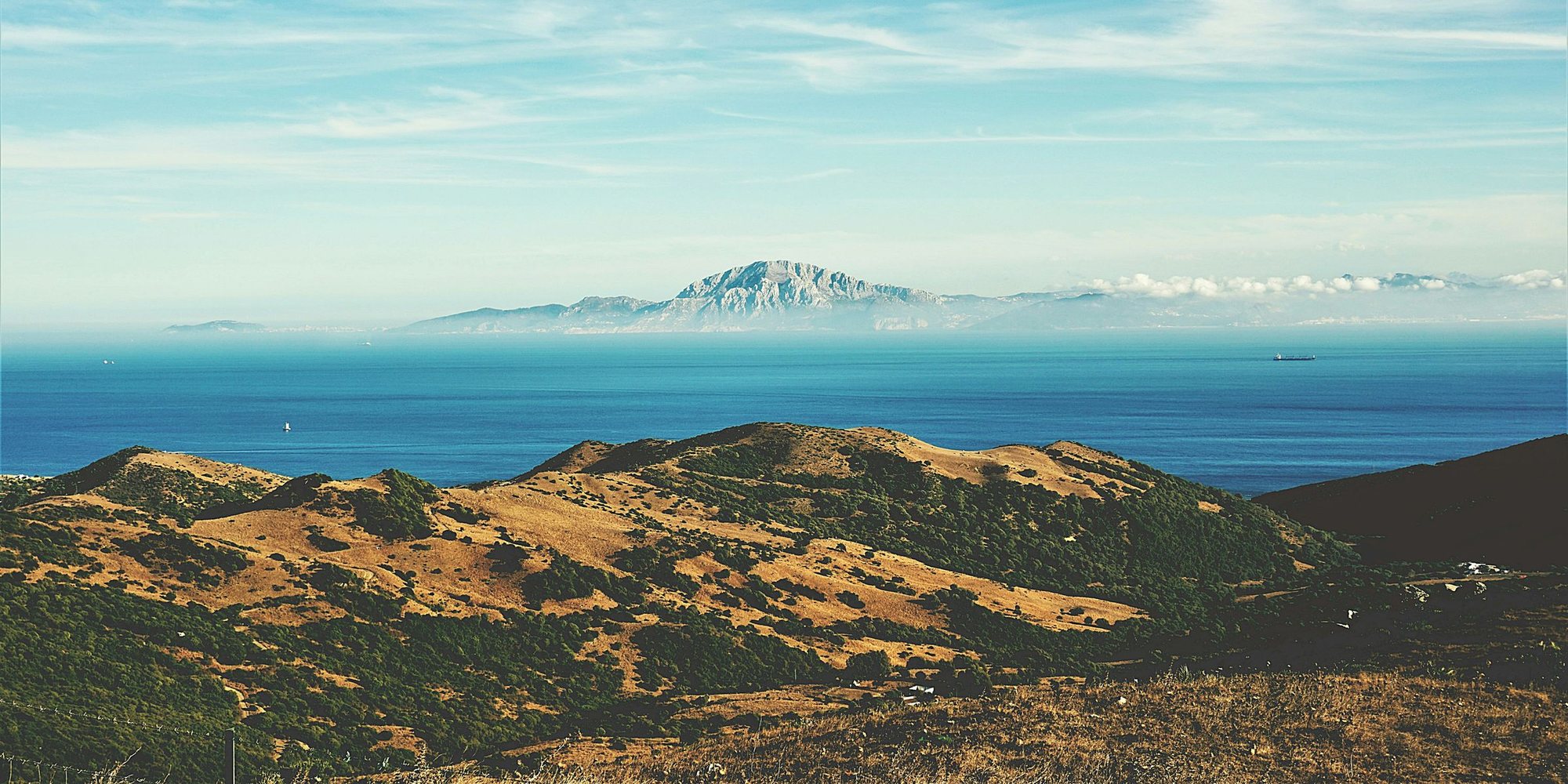
A lay-by on the N-340 east of town looks straight across the narrowest part of the Strait to the mountains of Morocco and the port of Tangier. From August to October it is also a good place to watch eagles, kites and vultures gather before crossing to Africa. The birds fly from late morning, once the air warms up.
-
Playa Chica
A small curve of sand between the old town and the causeway, sheltered by the island and the port wall. When the easterly levante empties the long beaches, this cove usually stays calm enough for swimming. The water is clear for snorkelling over the rocks at either end, and the beach fills early in summer because it is so small.
-
Port of Tarifa
Boats leave the small port for whale and dolphin trips into the Strait from April to October, a trip of two to three hours out into the shipping lanes. The ferry to Tangier sails from the same quay. Strong wind cancels both, sometimes at short notice, so leave a spare day around any booking.
-
Puerta de Jerez
The main gate in the town walls is the usual way into the old town from the new streets and the bus station to the north. Inside, narrow whitewashed lanes lead downhill to the church, the market and the castle, all within ten minutes on foot.
-
Punta Paloma Dune
Sand blown off the beach has buried the pines above Valdevaqueros, leaving a tall dune climbing the headland. The climb is slow and steep, and the top looks over the bay and the Strait to Africa. The access road off the N-340 is often half covered in sand, and the small car park fills early.
-
Strait Natural Park
The protected coast and sea around the town stretch from Bolonia in the west to the edge of Algeciras in the east, taking in cliffs, coves, dunes and old watchtowers. Marked paths follow the shore east of town towards Guadalmesí, with Morocco in view the whole way. The walks are exposed, with no shade and strong wind, so water and an early start matter in summer.
-
Tarifa Market
The covered food market sits inside the old town, with fish stalls selling the day's catch from the Strait, including bluefin tuna in late spring. Small bars around the stalls serve tapas at the counter from late morning. The stalls close in the early afternoon, so mornings are best.
-
Valdevaqueros Beach
The bay at the western end of the long beach is the main kitesurfing spot on the coast, and the kite schools teach here because the bay gives room to launch. Hundreds of kites can be up at once on a good afternoon. Beach bars and a car park sit behind the sand, and the car park fills by late morning in summer.