Things to do
18-
Balcón de Europa
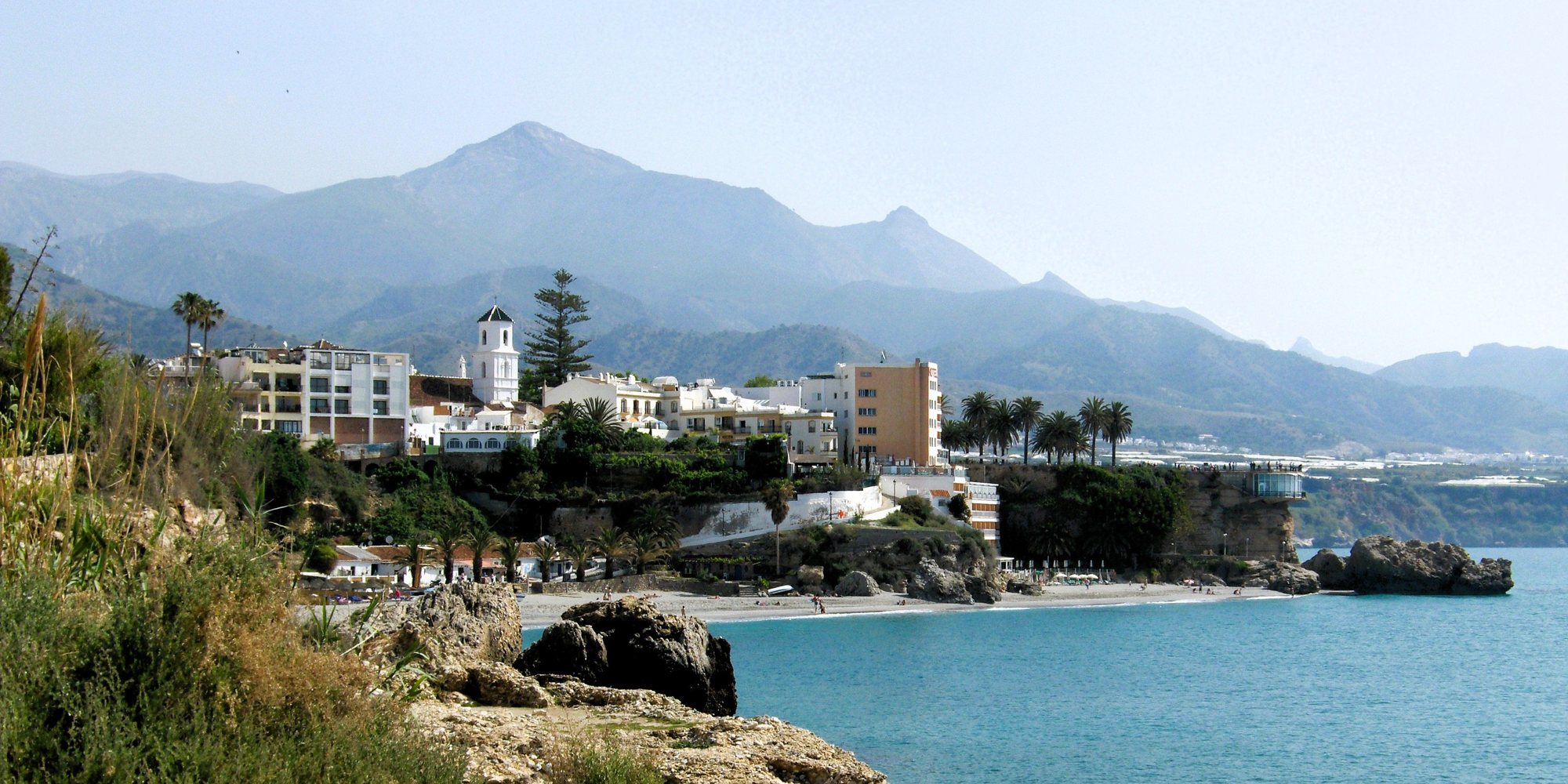
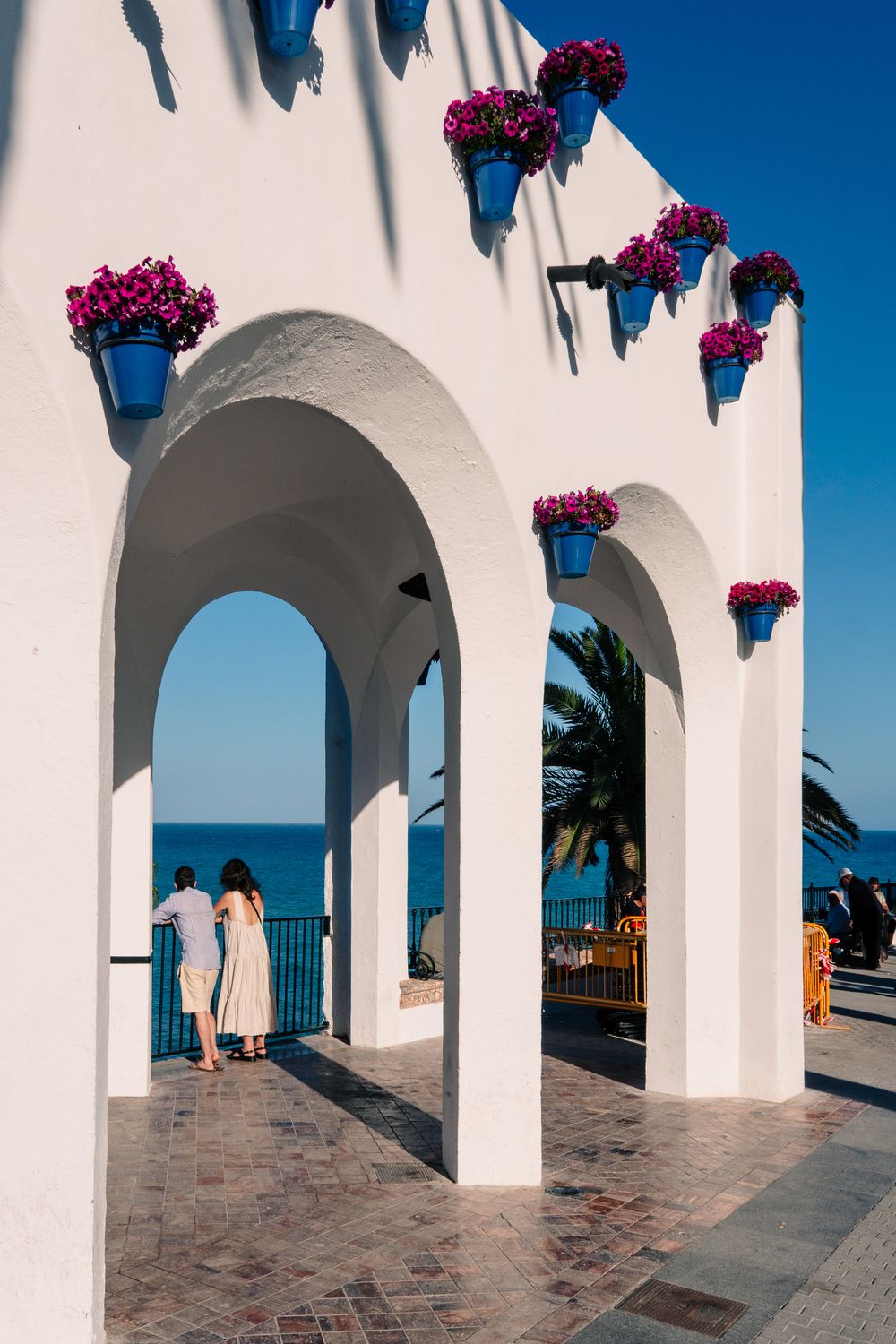
Jutting out over the sea at the end of the main promenade, this palm-lined terrace looks along the cliffs and coves in both directions. Street musicians and ice cream stands keep it busy into the night. Come after dinner for space at the railings; steps down either side lead to the small beaches of Calahonda and El Salón.
-
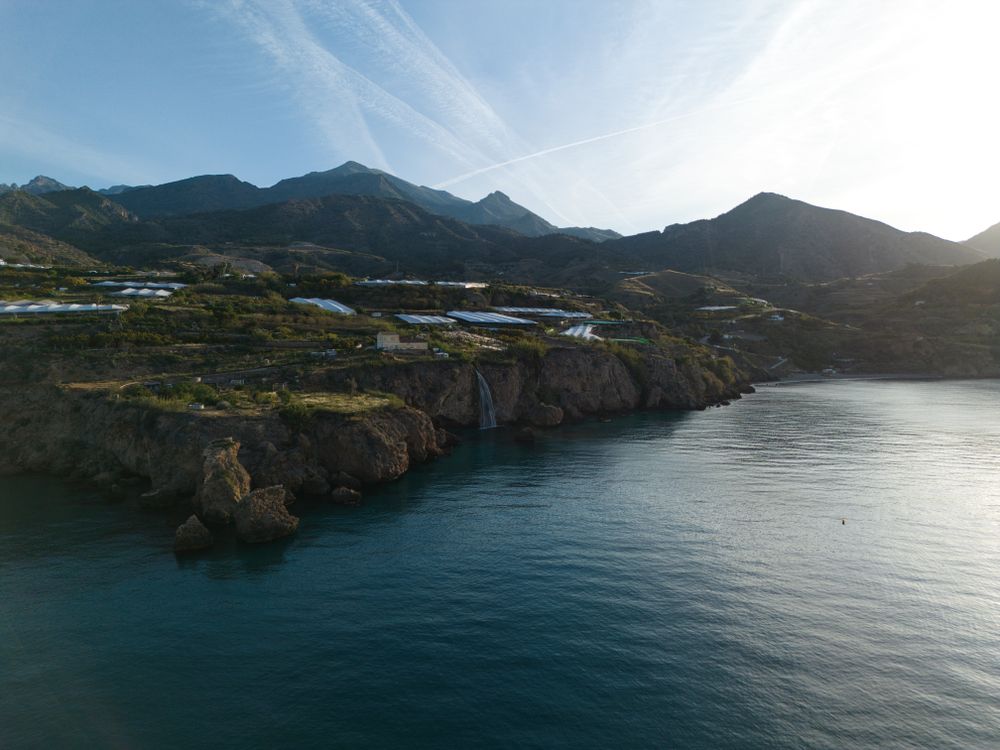
Cascada de Maro
This slender waterfall drops off the cliff straight into the sea inside the Maro-Cerro Gordo reserve, and the only good view of it is from the water. Guided kayak and paddleboard trips leave from Burriana and Maro beaches between spring and autumn, taking two to three hours with stops at sea caves. The fall runs strongest in late winter and spring and can slow to a trickle by late summer.
-
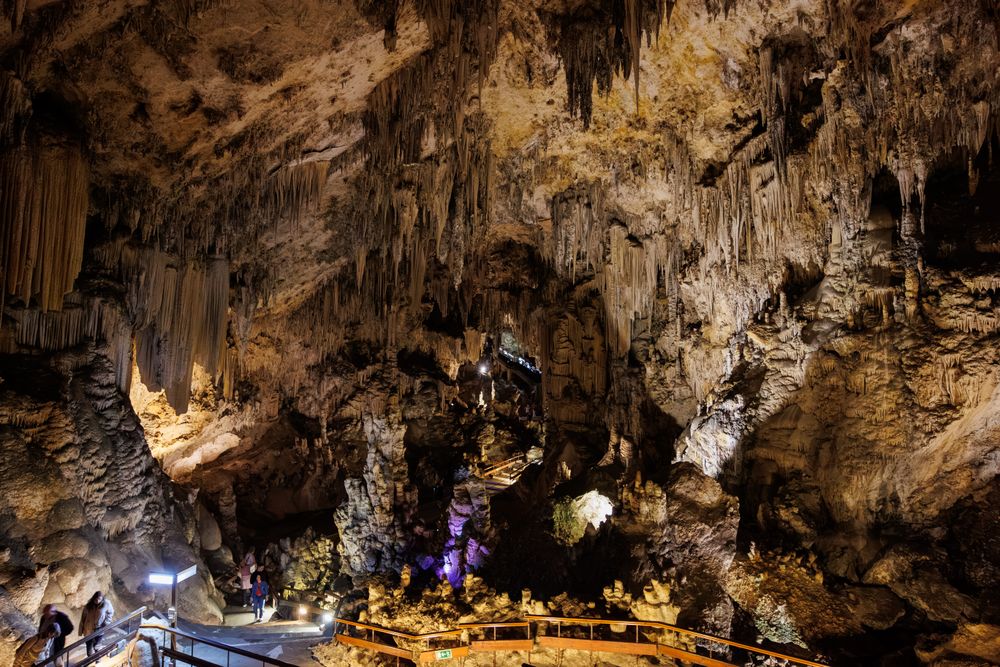
Caves of Nerja
Come for the walk down. A one-way path leads you deep under the hills at Maro, among gigantic stalactites, and back up to daylight.
View more → -
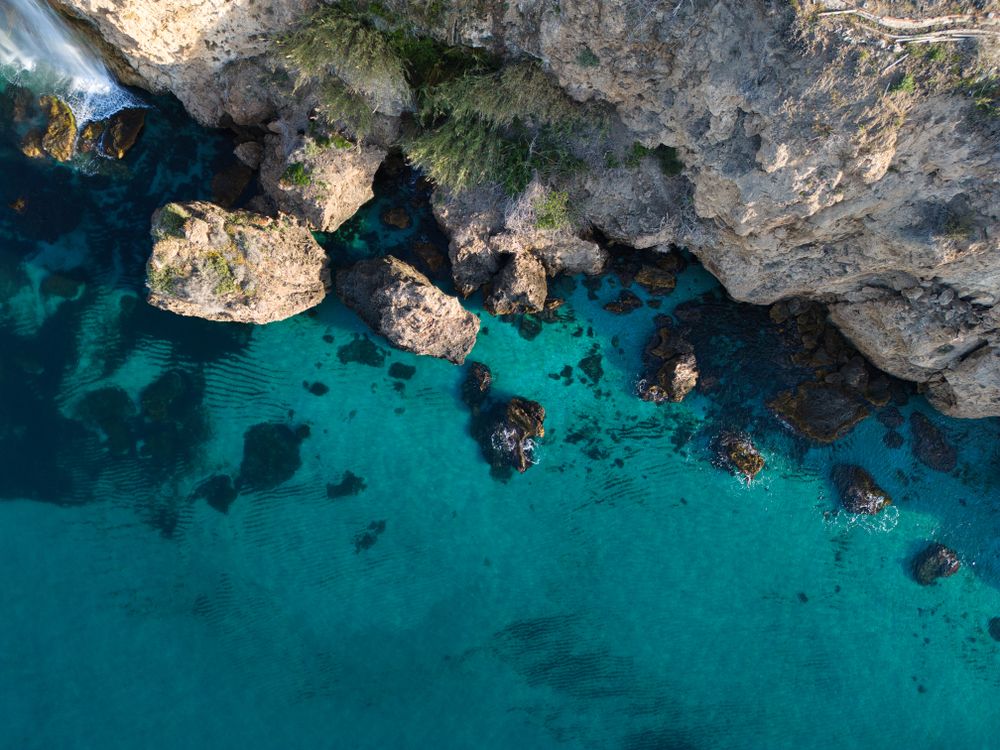
Cliffs of Maro-Cerro Gordo
Protected cliffs run east from Maro toward La Herradura, with hidden coves, old watchtowers and seagrass meadows for snorkelling. Kayak trips leave from Maro beach along the foot of the cliffs. Some coves can only be reached on foot down steep paths. Calm mornings give the clearest water, and the afternoon breeze often roughens it.
-
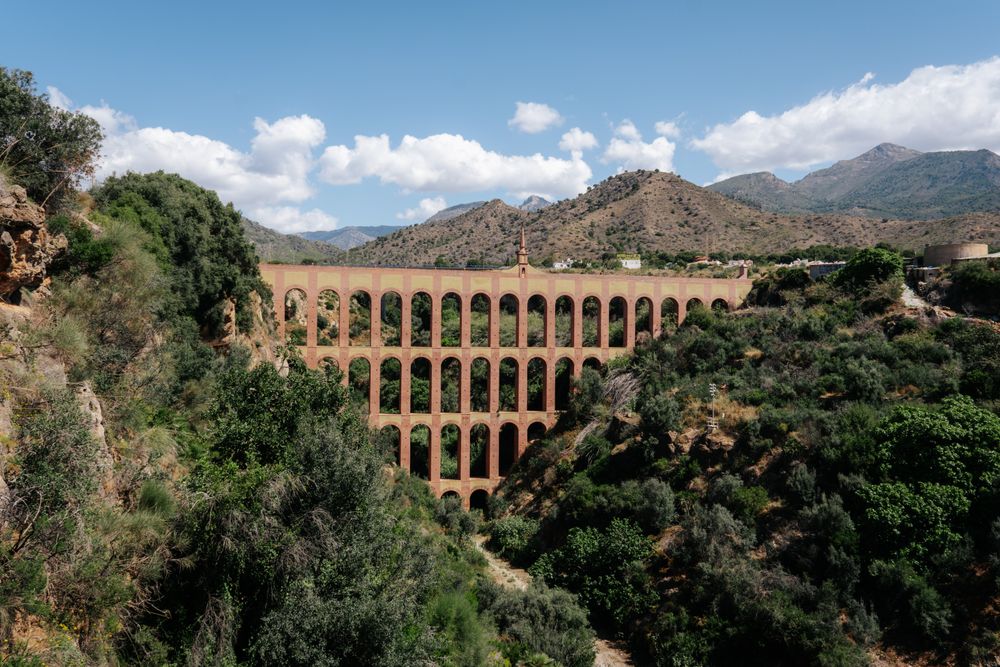
Eagle Aqueduct
Four tiers of brick arches carry an old water channel across a ravine on the road between Nerja and Maro, topped by a small spire with a weathervane. It was built to bring water to the sugar mill at Maro. The best view is from the lay-by on the old coast road toward the caves, and a stop takes a few minutes.
-
Frigiliana
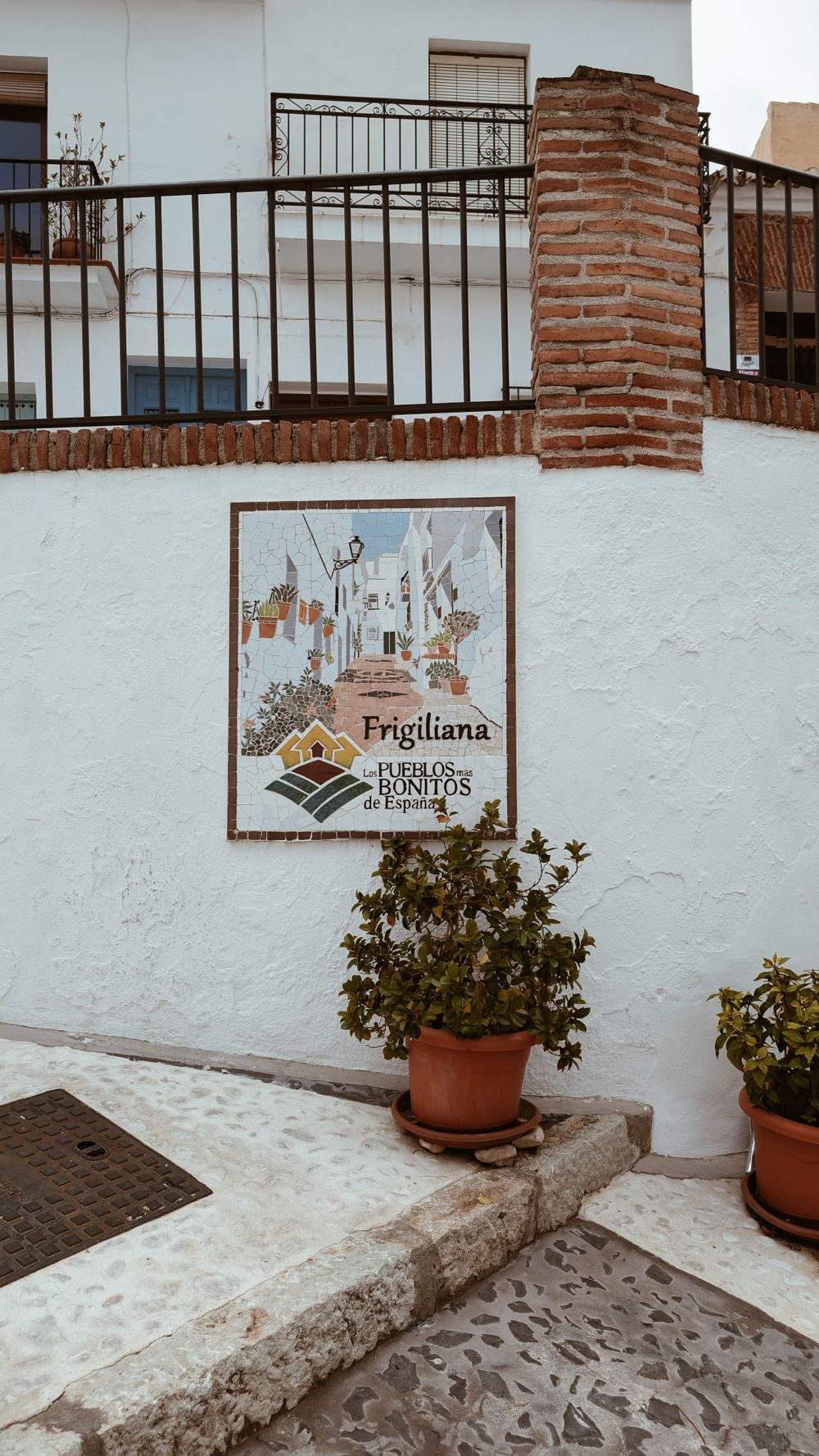
Whitewashed lanes climb a hillside about seven kilometres inland, stepped, cobbled and hung with pots of geraniums. Painted tiles along the old Moorish quarter tell the village story street by street. Midday in summer brings tour coaches and heat; late afternoon is cooler and quieter. Parking at the top of the village is limited, and a local bus runs from Nerja.
-
Playa de Maro
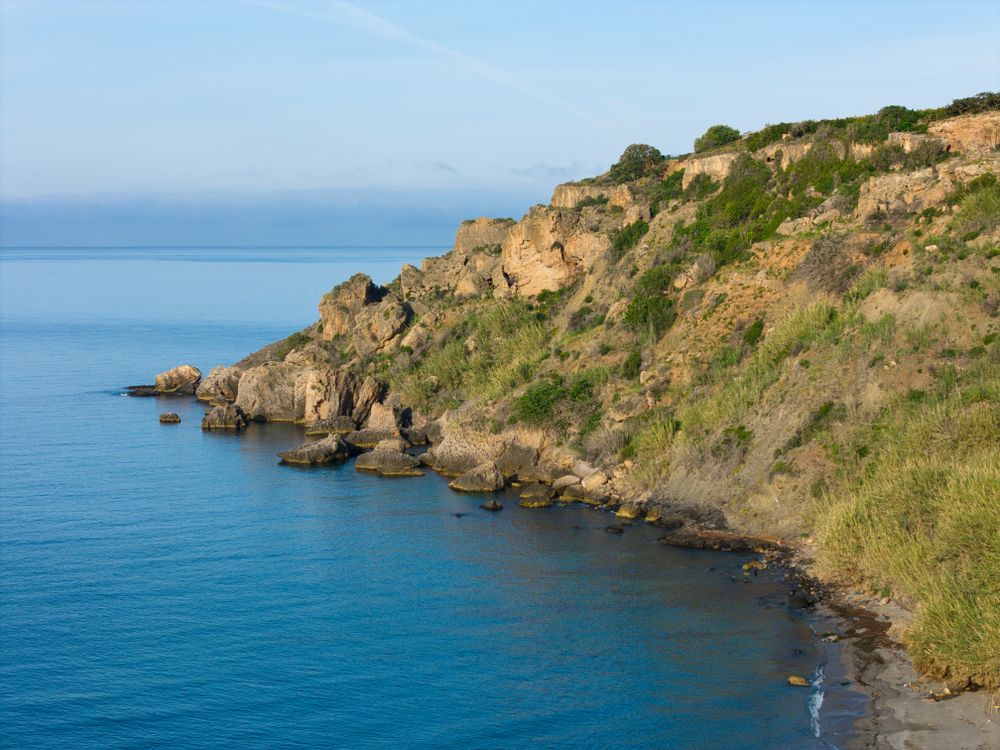
Clear, calm water over pebbles makes this cove below the hamlet of Maro the pick for snorkelling and kayaking along the cliffs, and kayak trips toward the Cerro Gordo coves set off from its sand. A steep lane leads down from the village, and parking near the bottom is scarce in summer, so leave the car in Maro and walk down.
-
Cala del Cañuelo
Pebbles and clear, deep water fill this cove at the eastern end of the Maro cliffs, close to the border with Granada province. Private cars cannot drive down the access lane in summer: a minibus runs from the car park beside the coast road, and out of season the steep walk down takes about twenty minutes. A small beach bar opens in summer, but there are no sunbeds, showers or shade.
-
Iglesia de El Salvador
Whitewashed walls and a bell tower mark the town's parish church, which stands at the entrance to the Balcón de Europa between the Plaza Cavana and the promenade. Inside, a large modern mural of the Annunciation by Francisco Hernández sets the scene in the hills above Nerja. Entry is free when the doors are open, mostly around the hours of mass, and a visit takes a few minutes.
-
Museo de Nerja
On the Plaza de España behind the Balcón de Europa, this small museum tells the town's story from the hunters who lived in the cave to the sugar mills that once lined the coast. Finds from the Cueva de Nerja fill much of the display, including the skeleton of a woman buried there thousands of years ago. An hour covers it, and the cool rooms make it a good stop on a hot afternoon.
-
Playa de Burriana
East of the centre, this long beach of grey sand and shingle is the town's main swimming beach, with sunbeds, kayak hire and a row of chiringuitos grilling sardines on spits. It is about a twenty-minute walk from the Balcón, ending in a steep descent below the Parador. In August the sand fills by late morning.
-
Playa de Calahonda
Tucked into the rocks directly below the Balcón de Europa, this tiny cove has fishing boats pulled up on the sand and whitewashed houses stacked above it. A passage of steps from the promenade leads down. The cove is small and fills by late morning in summer, so use a larger beach at midday.
-
Playa de Carabeo
Steep steps from the end of Calle Hernando de Carabeo drop to this narrow beach between Calahonda and Burriana, quieter than either. Small fishing boats are sometimes drawn up on the sand below the cliff houses.
-
Playa de la Torrecilla
West of the old centre, this long stretch of sand runs in front of a flat promenade lined with apartment blocks and cafés. Lifeguards, showers, sunbeds and step-free access make it the easiest beach in town for small children and wheelchair users. A current runs close to the rocks at the western end, so the middle of the beach is the safer place to swim.
-
Playa de las Alberquillas
A dirt car park beside the coast road marks the top of the path to this undeveloped beach of coarse sand and pebbles inside the Maro-Cerro Gordo reserve. Rocky reefs at either end make it one of the better snorkelling spots on this stretch of coast. There are no bars or sunbeds below, so water, food and shade have to be carried down, and the climb back up in the afternoon heat is hard.
-
Playa del Salón
A narrow passage and steps from the western side of the Balcón de Europa lead down to this small cove of coarse sand under the cliffs. It fills more slowly than Calahonda on the other side of the Balcón, and in summer a lifeguard, a kiosk and sunbeds are on hand. In August the narrow strip of sand is full by midday.
-
Río Chíllar
The famous wade up this limestone gorge north of the town is off limits: the riverbed has been closed to visitors since August 2023, after heavy crowds damaged it and summer fire risk rose. The regional government is tendering a capped, ticketed entry system, with no opening date set. Until then the walk up the Río Higuerón from Frigiliana, in the neighbouring valley, is the open alternative.
-
Río Higuerón
The loop starts at the top of Frigiliana and follows the riverbed upstream, often through shallow water, then climbs to the old Acequia de Lízar irrigation channel and a metal walkway high above the stream. Allow about three hours, and expect wet shoes near the top. Exposed sections make it a poor choice for small children or anyone uneasy with heights.