Globe Countries Cities Dispatches World's Best Events Get the App
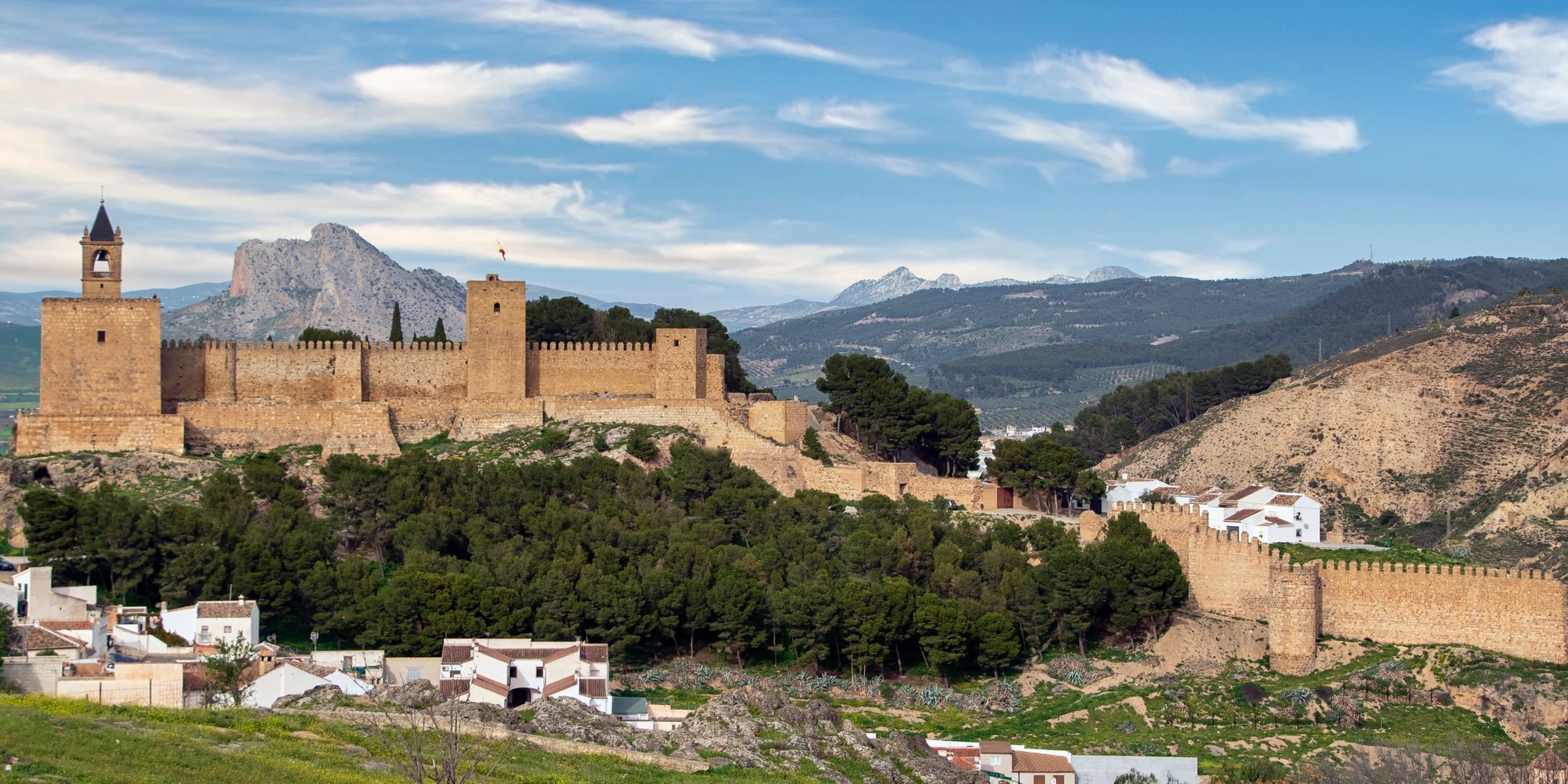
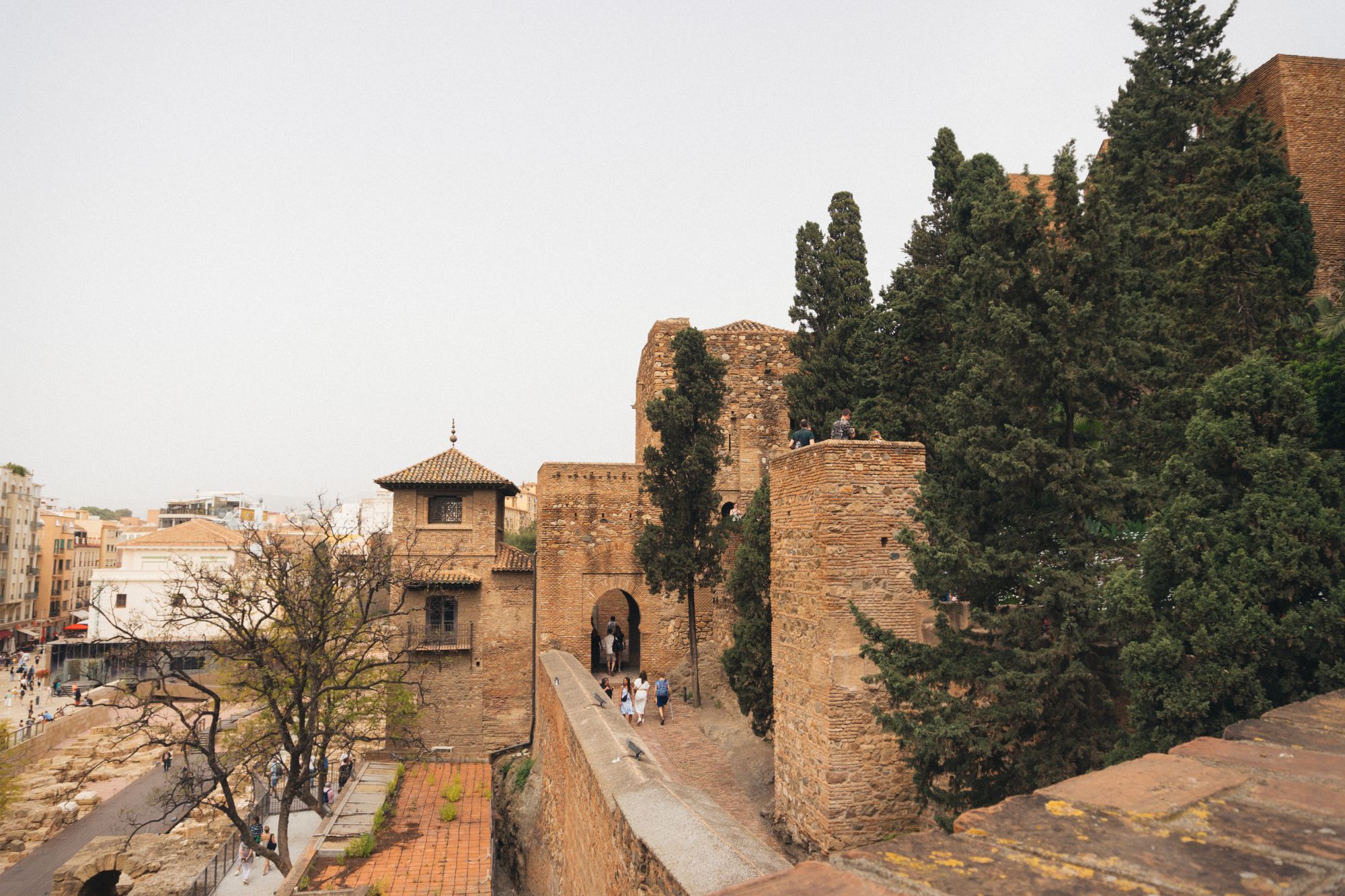
The Alcazaba of Antequera on its pine-covered hill, with the bell turret on the keep and the town walls running down to the right
The Alcazaba above the old town
Town brief · 37.0194°N 4.5612°W

Antequera

Arrive by mid afternoon and there is still time to climb the Alcazaba's keep, then walk down to the Mirador de las Almenillas below its walls and watch the evening light reach the Peña de los Enamorados.

View on globe

Why you should go

Ninety seconds on Antequera

How long
One night, two with El Torcalan afternoon for the upper town, a morning for the dolmens
Getting around
On foot, a car for the restthe centre is compact but steep
When
March to June, September to Novembertoo hot in July and August
Language
Spanishless English is spoken than on the coast
Money
The eurocards are widely taken
Airports
Málaga AGPabout 60 km, under an hour
How long

How many days do you need in Antequera?

One night covers the Alcazaba, the Colegiata, the dolmens and the town museum. A second day allows the walks at El Torcal, the flamingo lagoon at Fuente de Piedra or the Caminito del Rey.

Getting around

How do you get around Antequera?

On foot in the centre, which is compact but climbs steeply to the Alcazaba. The Menga and Viera dolmens are about a 20-minute walk from the centre. El Romeral, El Torcal and the lagoon at Fuente de Piedra are best reached by car or taxi.

When

When is the best time to visit Antequera?

Spring and autumn bring mild days for walking at El Torcal. July and August are very hot, and January mornings can be close to freezing. Holy Week brings the processions, and the Real Feria in August fills the town and its bullring.

Language

What language is spoken in Antequera?

Spanish. English is spoken at the main sights and in hotels, less so in bars and shops, as the town sees fewer foreign visitors than the coast. A few words of Spanish help at the tapas counters.

Money

What money does Antequera use?

The euro, and cards are widely taken. The dolmens and the town museum are free to enter. One ticket covers the Alcazaba and the Real Colegiata, and the Iglesia del Carmen charges a small entry fee.

Airports

Where do you fly into for Antequera?

Málaga AGP, about 60 km south, under an hour by road; trains from the airport reach Antequera with a change in Málaga. Granada GRX is about 90 km east, and Seville SVQ about 165 km west.

Give a morning to the dolmens, which are free and close on Mondays; from late June to late September they also open from 8pm to 10pm, Tuesday to Saturday. Menga and Viera share one site about 20 minutes' walk from the centre, and Menga's entrance lines up with the Peña de los Enamorados. El Romeral, a few kilometres further on, is easiest by car or taxi.

Drive to El Torcal early in the day. On weekends, holidays and busy spring days the road to Torcal Alto closes once its car park fills, and a shuttle bus runs up from a lower car park beside the A-7075. The green route takes under an hour and the yellow about two; wear shoes with grip, because the limestone is slippery after rain.

Sleep in the old town between the Plaza de San Sebastián and the Alcazaba, where the sights are a few minutes apart. Parking is easier than in most Andalusian hill towns, with free spaces behind the Iglesia del Carmen, but the lanes are narrow, so hire a small car. In August, see the sights before noon and rest through the heat, which often passes 40°C.

Check which station your train uses. Antequera-Ciudad, about 1 km north of the centre, is the station to choose when your train offers it; Antequera-Santa Ana sits about 17 km out and needs a taxi into town. Buses from Málaga, Granada and Seville stop at the bus station, five minutes on foot from the centre.

With a second day, go to the Fuente de Piedra lagoon between March and July, when the flamingos breed in years with enough winter rain. The Caminito del Rey gorge walk is 45 minutes away by car, with timed tickets booked ahead. On Holy Thursday and Good Friday the brotherhoods carry their floats at a run up the steep streets to their churches, a custom called correr la vega.

Things to do

13
  1. Alcazaba de Antequera

    Fortress · 1.5 hr

    A Moorish fortress on the hill above the old town, entered through the Arco de los Gigantes. Paths run between gardens and the outer walls to the keep, whose stairs climb to a bell turret with views over the plain and the Peña de los Enamorados. One ticket covers the fortress and the Real Colegiata next door, and the visit takes about an hour and a half.

  2. Arco de los Gigantes

    Monument

    A triumphal arch of the late sixteenth century at the top of the climb from the old town, set with Roman inscriptions and carved stones found around Antequera. It stands on the way up to the Alcazaba and the Colegiata. The path to the fortress passes under it, and the plaza beyond gives the first wide view over the plain to the Peña de los Enamorados.

  3. Archaeological Site

    Dolmen de Menga

    Archaeological Site · 1.5 hr

    A Neolithic burial chamber about 5,800 years old, built of huge stone slabs under an earth mound, with the Dolmen de Viera a short walk away inside the same fenced site. The entrance of Menga faces the Peña de los Enamorados. Entry is free, a visitor centre explains both tombs, and the site closes on Mondays. It lies about 1.5 km from the centre. In summer it also opens on weekday evenings, Tuesday to Saturday.

  4. El Torcal

    Park · 3 hr

    A high limestone plateau of stacked limestone rocks worn into shapes by rain about half an hour's drive south of town, with a free visitor centre at Torcal Alto. The green route takes under an hour and the yellow one about two; both are rocky and slippery after rain. On weekends and holidays the upper road closes when its car park fills, and a shuttle bus runs from a lower car park instead.

  5. Church

    Iglesia de San Sebastián

    Church · 30 min

    The main church of the lower town, on the plaza where the shopping streets meet, with a brick bell tower topped by an angel weathervane. Inside are gilded baroque chapels. The plaza around it is the place for a coffee and a mollete, the soft local breakfast roll, before the climb up to the Alcazaba and the viewpoints.

  6. Iglesia del Carmen

    Church · 30 min

    A former Carmelite church on the eastern edge of the old town, plain outside and filled inside by a huge altarpiece carved in unpainted red pine. The walls and side chapels are covered in painted decoration. Entry is ticketed and the church closes on Mondays. A viewpoint beside it looks back at the Alcazaba, and there is free parking behind the building.

  7. Lake

    Laguna de Fuente de Piedra

    Lake · 2 hr

    A shallow salt lake on the plain north-west of Antequera, home to the largest flamingo colony on the Iberian Peninsula. The birds breed from late winter into summer, and chicks appear from about May; in dry summers the water shrinks far back from the shore. Paths and hides start at the visitor centre on the village side, and the birds are busiest in the early morning and the evening.

  8. Museum

    Museo Conventual de las Descalzas

    Museum · 30 min

    A museum of religious art inside a working convent of Discalced Carmelite nuns, on the small Plaza de las Descalzas in the lower town. Paintings, carved figures and church silver from the convents of Antequera fill the old cloister rooms. Visits are ticketed, and the nuns of the convent also make the almond sweets the town is known for.

  9. Museo de la Ciudad

    Museum · 1 hr

    The town museum, in the Palacio de Nájera on Plaza del Coso Viejo, with archaeology, religious art and silverwork arranged around a courtyard. Its prize is the Efebo, a Roman bronze of a young man about 1.5 metres tall, found on a farm near the town. Entry is free, and the museum closes on Mondays and for a long break in the middle of the day.

  10. Landmark

    Peña de los Enamorados

    Landmark · 2 hr

    A limestone rock rising straight out of the plain north-east of the town, shaped like a face lying on its back and seen from almost every viewpoint in the old town. The name comes from a legend of two lovers who jumped from the top. Tracks reach the lower slopes, while the summit route is a steep scramble on loose rock for walkers with a head for heights.

  11. Landmark

    Plaza de Toros

    Landmark · 30 min

    A brick bullring from the middle of the nineteenth century at the edge of the old town, still used for bullfights during the August fair. Under the stands, a small museum covers the ring, its fighters and the breeding of the bulls. Visits are ticketed and run outside fight days, and the empty arena and its arcades can be seen on the way round.

  12. Real Colegiata de Santa María la Mayor

    Church · 30 min

    A broad Renaissance church on the plaza just below the fortress, its nave now cleared of altars and used for exhibitions and concerts. The plain stone interior is light and calm, and the terrace in front looks out over the rooftops. The two fit easily into one morning or one late afternoon.

  13. Archaeological Site

    Tholos de El Romeral

    Archaeological Site · 30 min

    A later tomb than Menga, roofed with a beehive dome of small flat stones and reached down a long, narrow corridor, with a second small chamber at the far end. It stands a few kilometres beyond the main dolmen site, beside an industrial estate, so a car or taxi is the easy way there. Entry is free and it keeps the same Monday closure.
Basemap Meridian · data © OpenStreetMap
Explore

More of Spain

Spain
Country

Spain

Every Spain town, place and dispatch, on one map.

Málaga
Town

Málaga

Museo Picasso Málaga
Museum · Málaga

Museo Picasso Málaga

Granada
Town

Granada

Alhambra
Palace · Granada

Alhambra

Last updated

Meridian Dispatch for iPhone

Plan the trip.
Keep the journal.

Every other travel app asks you to start logging. Meridian Dispatch opens with years of your travel already written, from the photographs you already took.