About the size of the United Kingdom, and it does not read as a single place.
Ten days covers two regions properly. The distances are the constraint rather than the sights: Bucharest to the painted monasteries of Bucovina is about 450 kilometres and most of it is single carriageway. A first visit usually takes Transylvania and the Prahova valley castles and leaves Maramureș, the Danube delta and the Black Sea coast for a second. Five days is enough for Brașov, Sibiu, Sighișoara and the castles between them.
For the villages, yes. The railway reaches the cities and the average speed across the network is about 45 kilometres an hour: Bucharest to Brașov is a reasonable two and a half hours, but Bucharest to Cluj-Napoca runs ten to twelve. The wooden churches of Maramureș, the fortified Saxon villages and the painted monasteries have no useful bus. A road vignette called the rovinieta is required on national roads and a hire car normally comes with one, which is worth confirming at the desk.
May and June for the hay meadows and the wildflowers, September for the light. July and August are hot on the plains and crowded on the coast. The Transfăgărășan, the high road over the Făgăraș range, normally opens between late June and the start of July and closes at the end of October, and it shuts at night even in season; winter closes it and several other mountain roads completely. The ski season in the Prahova valley runs December to March.
Romanian, which is a Romance language and closer to Italian than to any of the Slavic languages around it. Hungarian is the first language of a large minority across Transylvania and is what is spoken in Târgu Mureș, Rimetea and much of the Székely Land. German survives in the Saxon towns as place names and inscriptions on church walls, no longer as a spoken language. English is common among younger people in the cities and much less so in the villages.
No. The currency is the Romanian leu and there is no confirmed date for adopting the euro; the government’s own target has moved repeatedly and 2029 is the earliest still discussed. Romania has been a full member of the Schengen area since 1 January 2025, when checks at the land borders were lifted, so arriving overland from Hungary or Bulgaria no longer means a passport queue. Cards are taken almost everywhere in the cities and cash is still worth carrying in villages and at monasteries.
Bucharest Otopeni OTP is the main gateway and handled about 17 million passengers in 2025, roughly three fifths of the country’s air traffic. Cluj-Napoca CLJ is the second and the better arrival for northern Transylvania and Maramureș. Brașov-Ghimbav GHV opened on 15 June 2023, the first new airport built in the country in fifty years, and it is the closest to Bran, Râșnov and the Prahova castles. Timișoara, Iași and Sibiu also take international flights.
Ninety seconds on the country
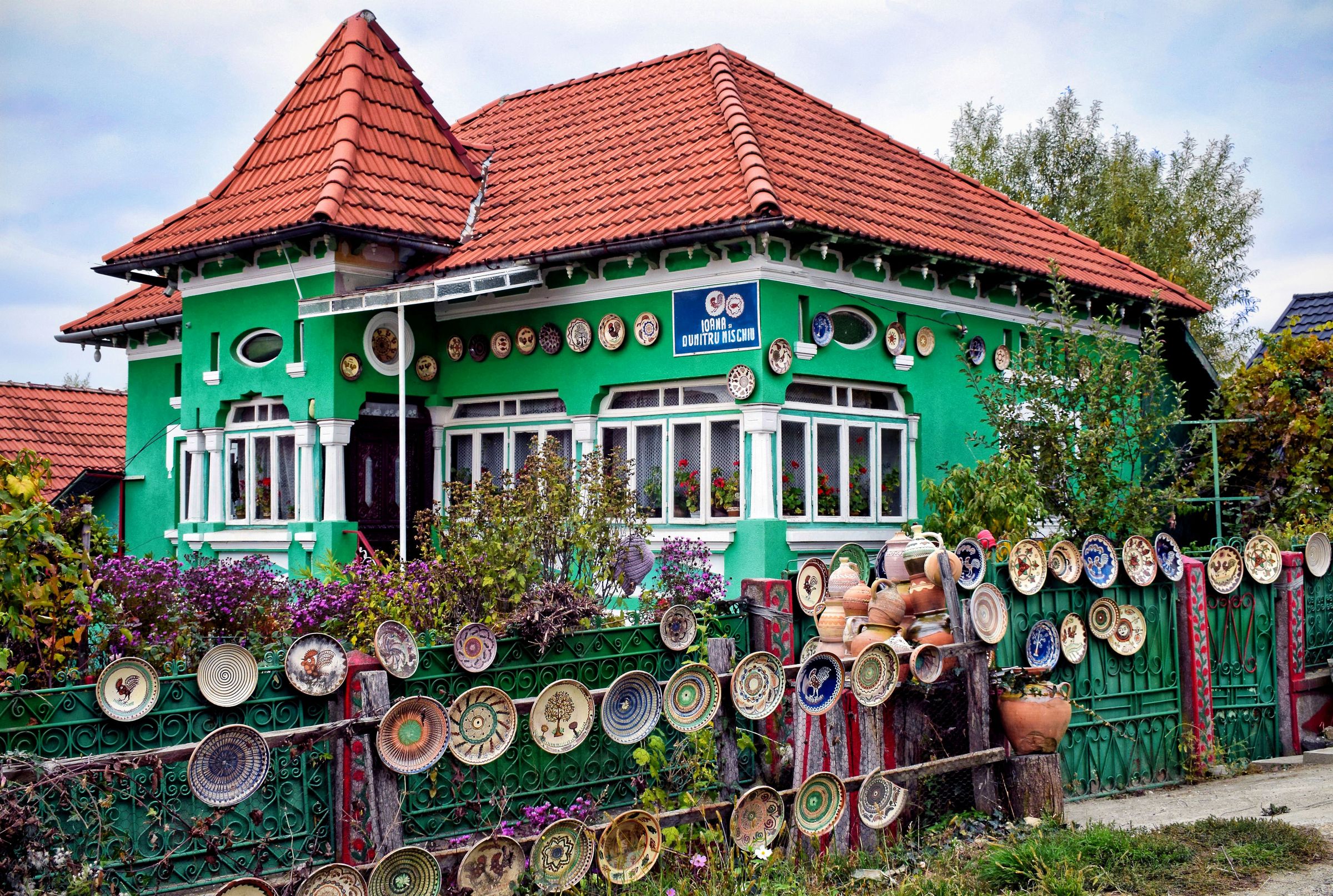
The Carpathians curve through the middle of Romania like a spine bent back on itself, and what settled on either side of them arrived from different directions. Habsburg and Hungarian to the west, Ottoman and Greek to the south, Byzantine and Slavic to the east, and none of the three ever finished absorbing the others.
That is most of the argument for going. A Saxon village that fortified its church instead of building a castle, a monastery with its frescoes painted on the outside wall, and a boulevard in the capital laid out to out-Paris Paris are all in the same country, and not one of them explains the others.
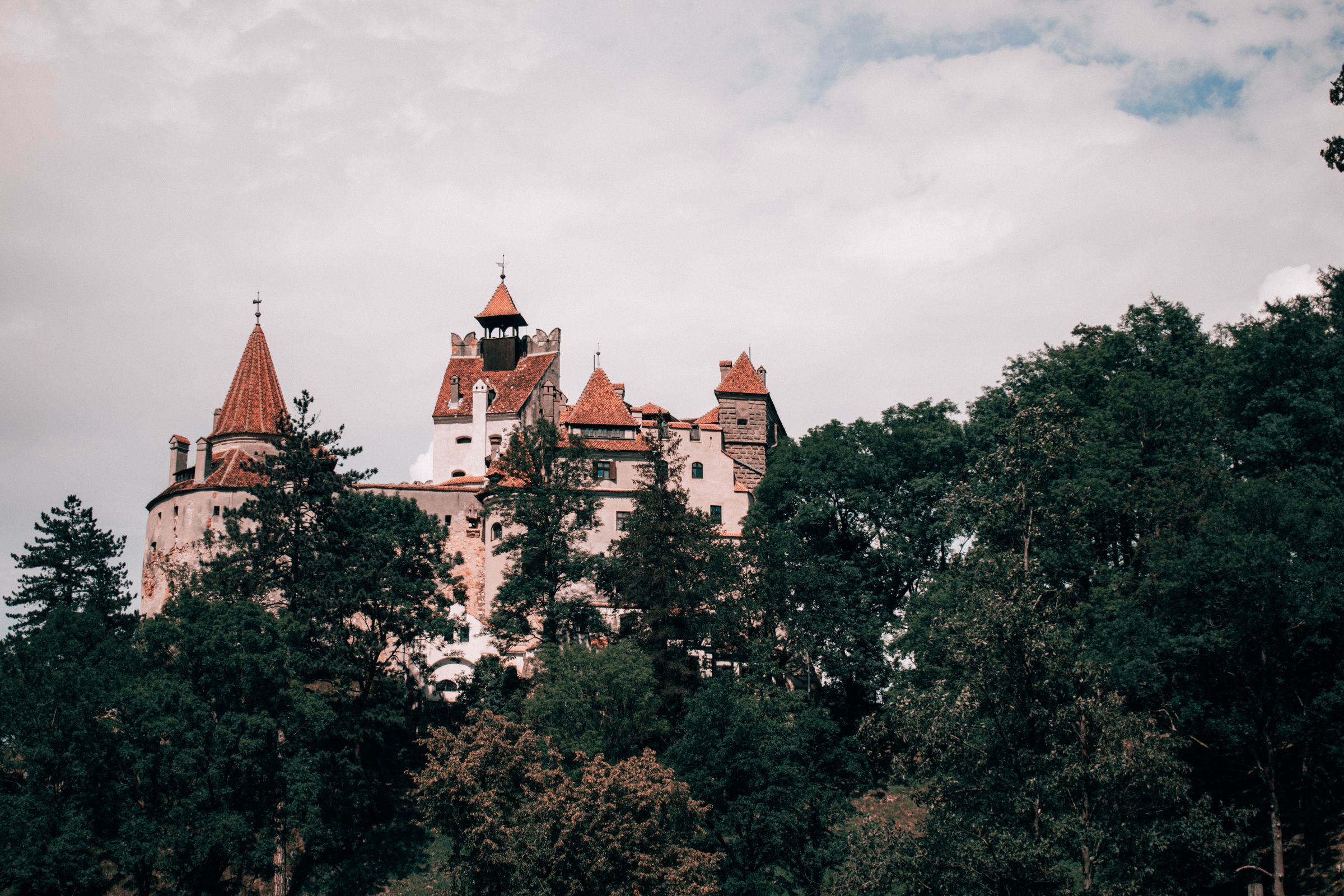
It is not the Dracula weekend the marketing sells. Bram Stoker never came to Romania, and Vlad the Impaler almost certainly never lived at the castle now sold under his name. The fortress he did hold is a ruin above a gorge two hours away, up 1,480 steps, and almost nobody who buys the vampire tour climbs it.
What the country has instead is scale and quiet. Its forests hold some of the last old growth in Europe and, on a census published in 2025, more brown bears than anywhere outside Russia. In the north the hay is still cut by hand and stacked around a pole, and away from the few places the coaches go, a week can pass without a queue.
Pick how you want to travel. The towns, the things to do and the map all change with it.
Three cultures built here and none of them cleared away the one before. The Saxons walled their villages around the church and left fortified churches all over Transylvania, seven of them on the UNESCO list. The Hungarian towns answer with Baroque squares and secessionist palaces.
Moldavia did something nobody else did. In the sixteenth century its monasteries were painted on the OUTSIDE, wall to wall, so that a congregation standing in the churchyard could read them, and the frescoes have survived every Carpathian winter since. Voroneț is the one everybody sees and Sucevița is the largest.
The Carpathians take up a third of the country and the roads over them are the sights. The Transfăgărășan climbs to 2,042 metres and is shut by snow for most of the year; the Bicaz gorge runs under overhangs with the road in the bottom of it.
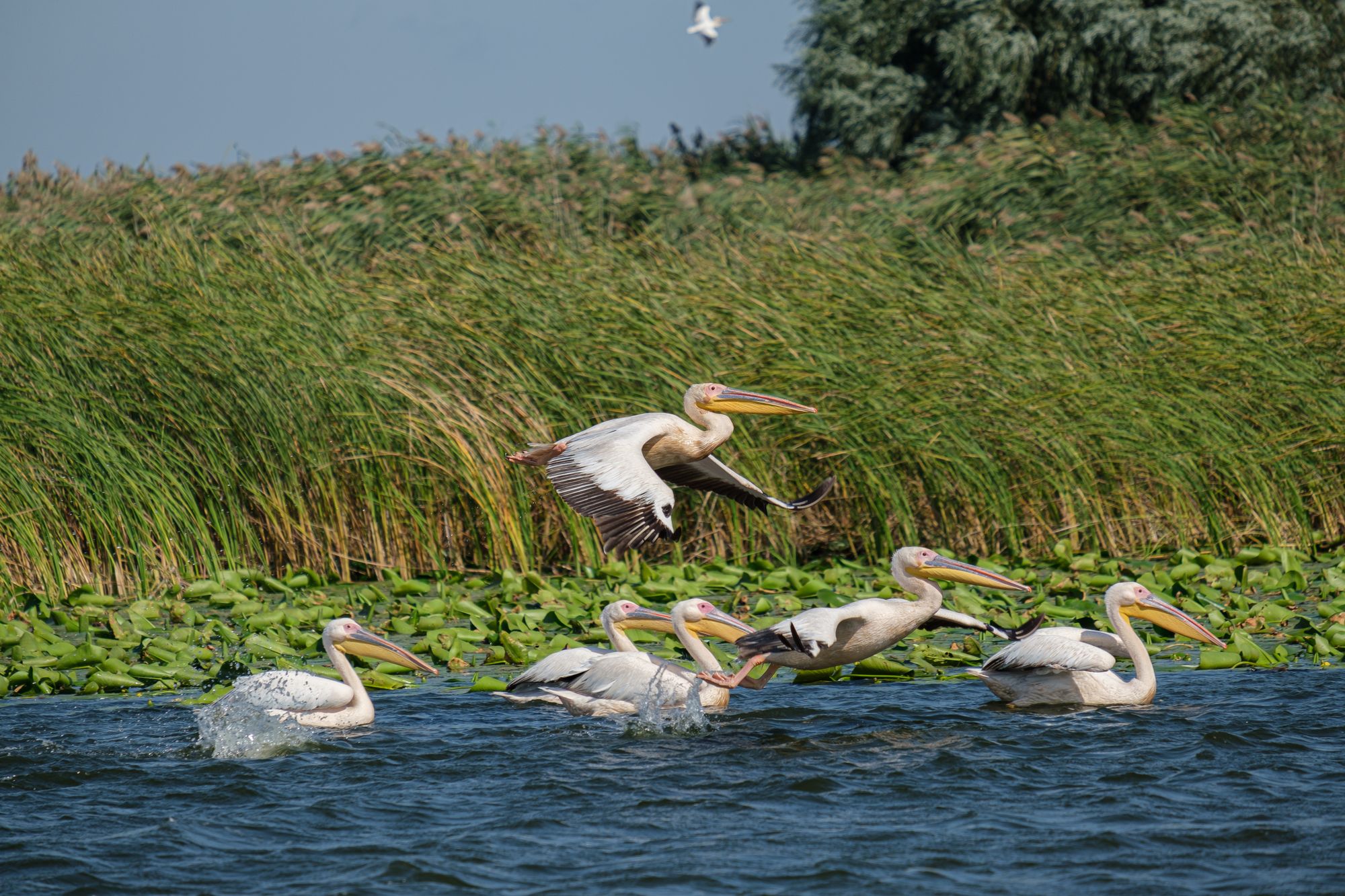
The other half is water and karst. The Danube ends in the best preserved delta in Europe, reached only by boat from Tulcea, and the Apuseni are riddled with caves, one of them holding an underground glacier.
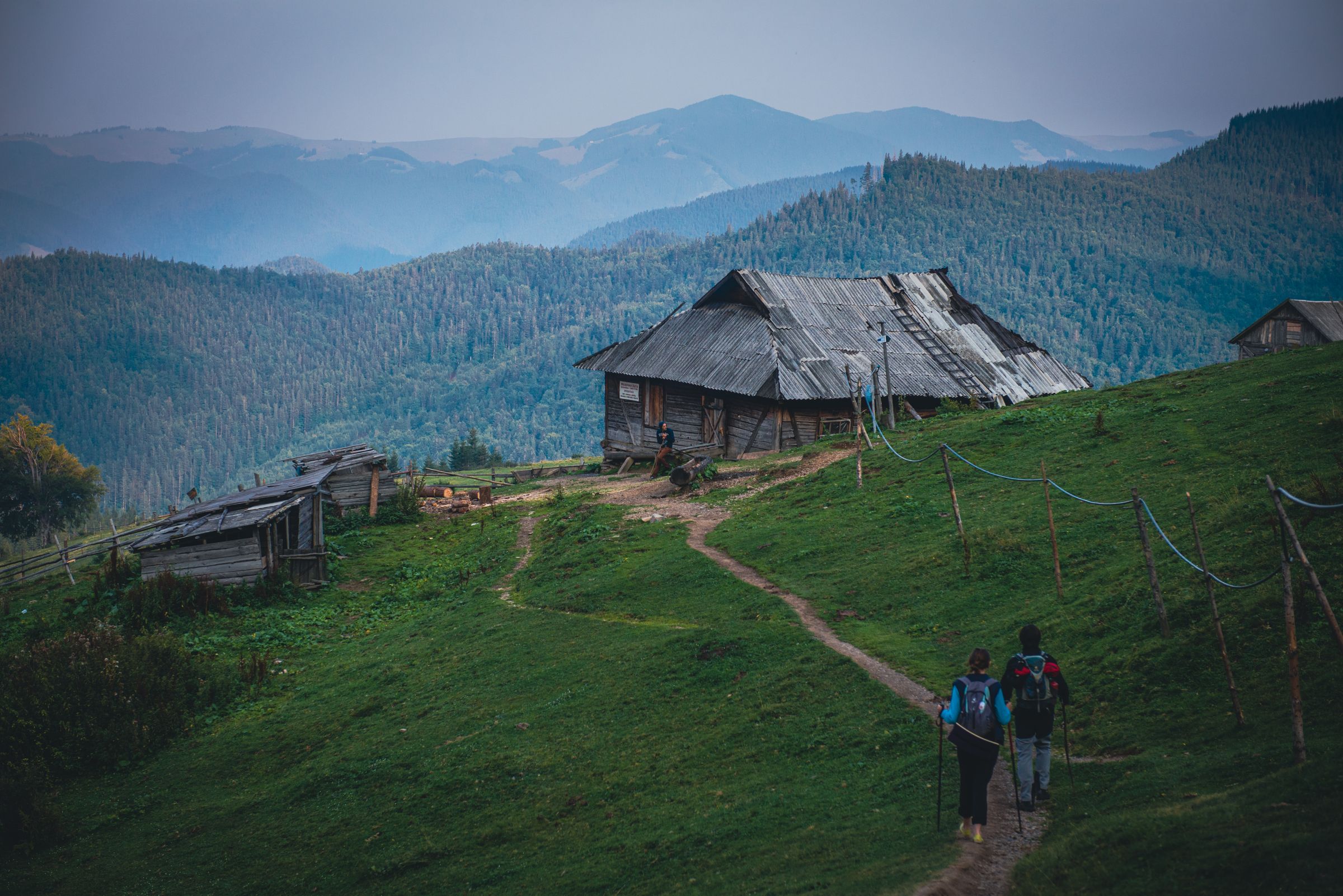
The high ground here is walked rather than lifted. There is no railway to a summit and no cable car to the top of the Făgăraș: Moldoveanu at 2,544 metres is a long approach or part of the ridge traverse, and Omu in the Bucegi is most of a day above the valley.
The limestone gives the rest. Seven Ladders is a gorge climbed on bolted steel ladders through a chain of waterfalls, and the Piatra Craiului is a ridge narrow enough in places to straddle. The caves that need a guide and a lamp are the ones worth booking.
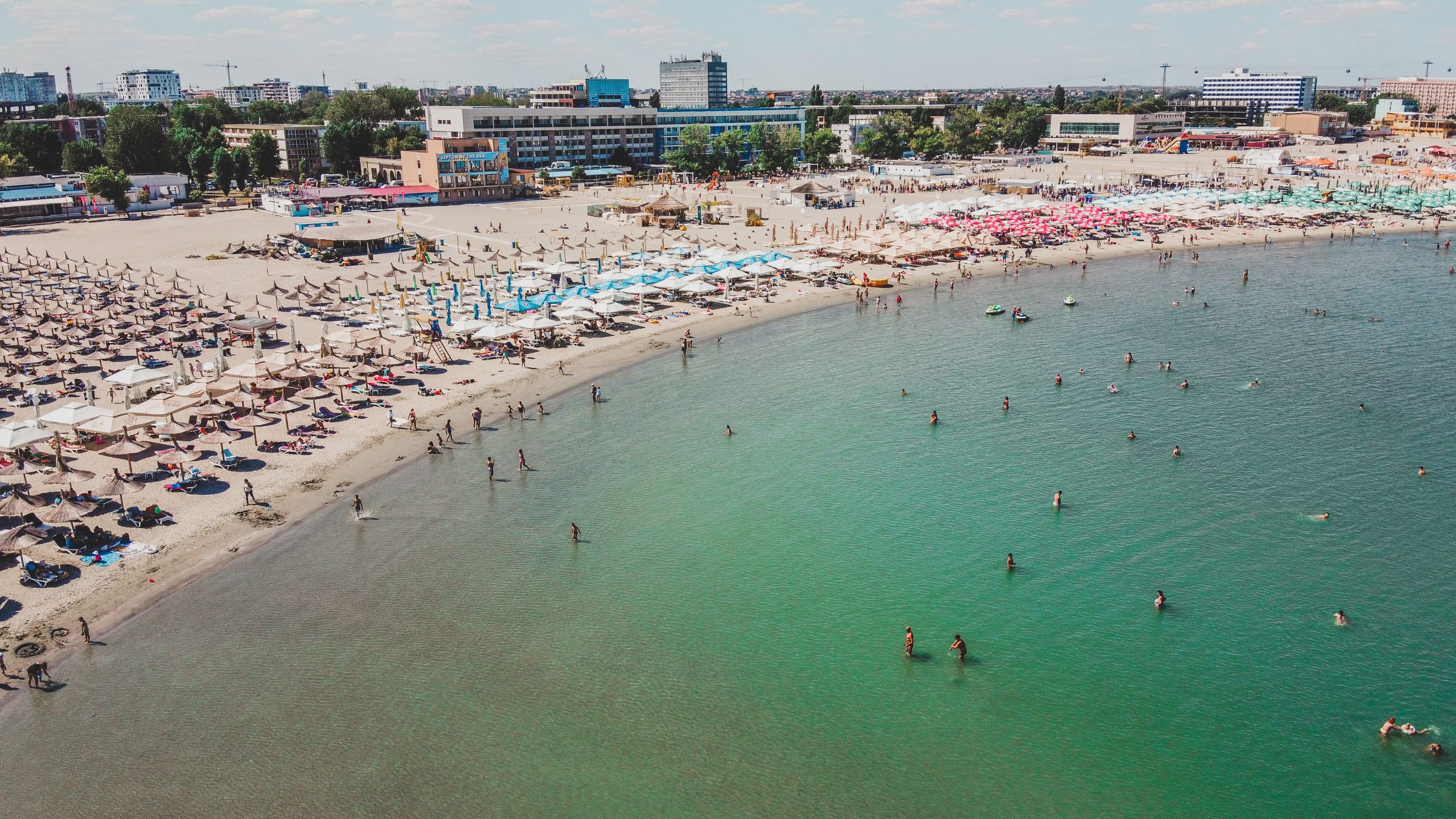
Romania has about 245 kilometres of Black Sea shore, which is short, and this is the smallest tab on the page because of it. What it has is concentrated: a Greek colony under a modern port, an art nouveau casino on the sea wall, and the oldest mosque in the country at the southern end.
The beaches divide sharply. Mamaia is eight kilometres of fine sand and the country’s loudest strip from June to September; Vama Veche at the Bulgarian border was left undeveloped because it was too close to the frontier, and still has no promenade between the village and the sand.
The good addresses here are mostly not hotels. When the Saxon population left after 1990 their houses went cheap, and the ones that were rescued were rescued by people who then had to find a use for them: a manor let as a whole house, a farmstead run around its own kitchen garden, a row of village houses run together.
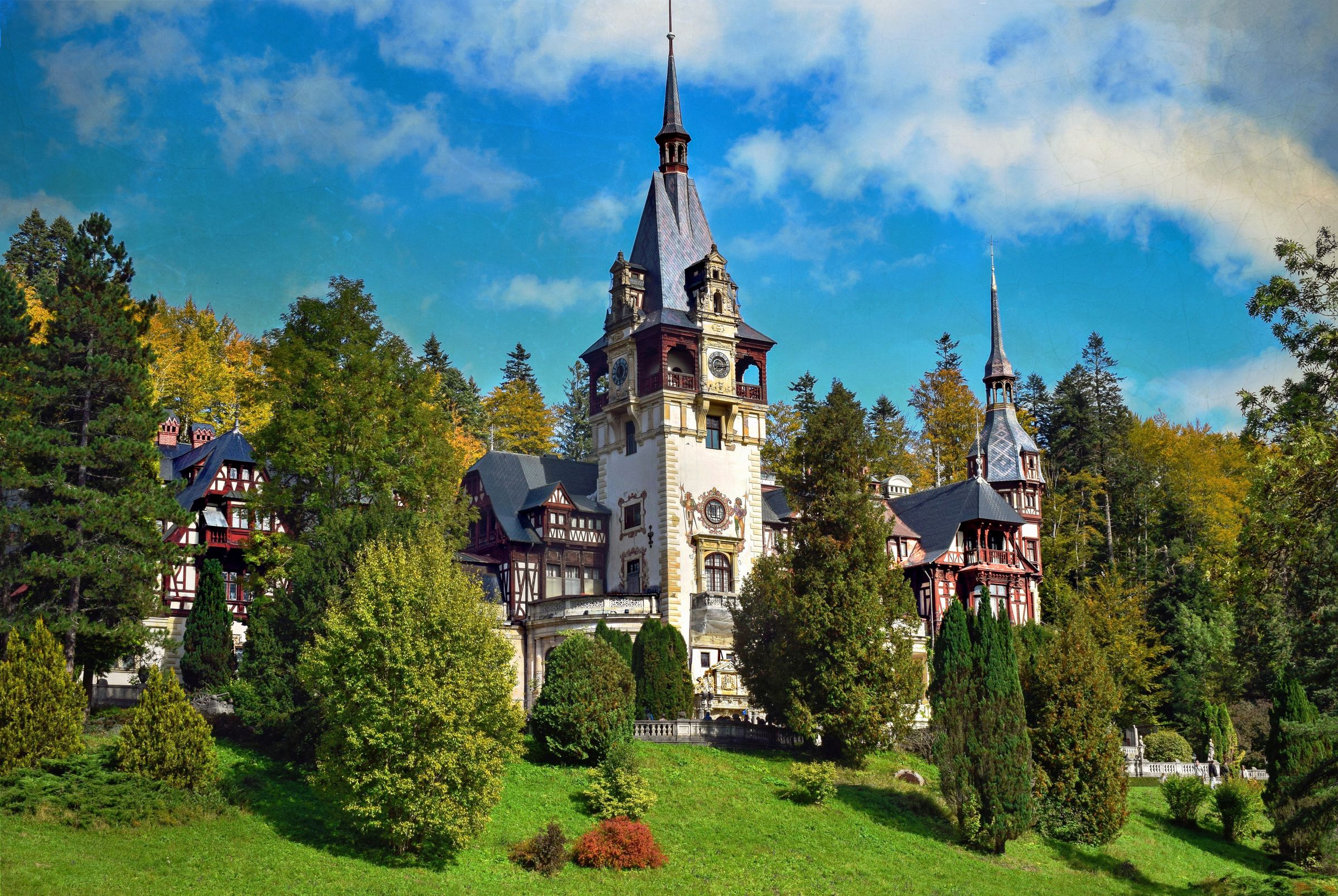
The cities keep the other kind. Bucharest has the hotel where every correspondent in the Balkans drank between the wars, Iași has one whose iron frame came out of the Eiffel workshops, and Sinaia has the house the royal summer court was built around.
Last updated
The places on this page are in the app, each with a verdict: why to go, how far from your hotel, how long to stay. Forward your confirmations and the days fill themselves in.